THE ADVENTURE COLLECTIVE® · Independent discovery and booking for outdoor travel

Spend three days at the foot of Mount Kilimanjaro watching elephant herds, tracking predators on open plains, and visiting Maasai communities. This concise safari balances big-game viewing with cultural insight and comfortable lodge stays.
Spend three days at the foot of Mount Kilimanjaro watching elephant herds, tracking predators on open plains, and visiting Maasai communities. This concise safari balances big-game viewing with cultural insight and comfortable lodge stays.
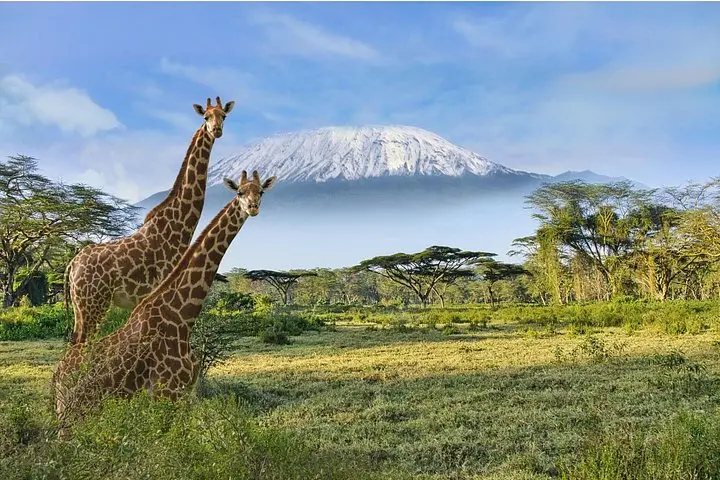
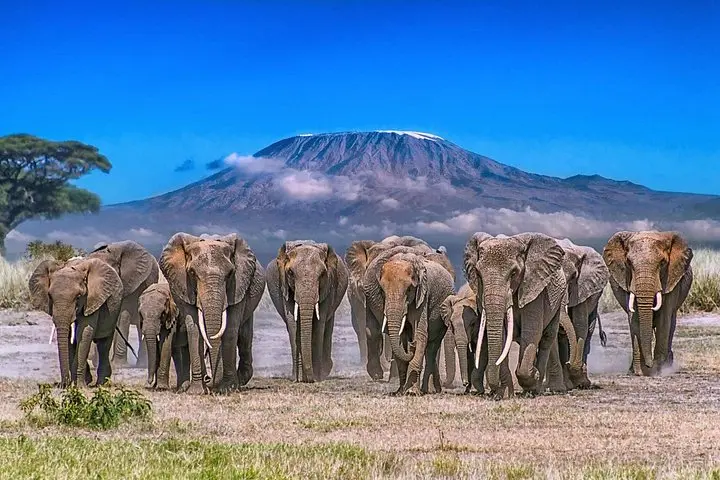
First light over Amboseli cuts the silhouette of Kilimanjaro into shards of silver and shadow, and a column of elephants edges toward a marsh that dares you to step closer. On a three-day safari here the plains move like weather—calm at dawn, electric by midday—and wildlife writes the schedule.
Verified experiences and guided adventures in the surrounding area.
Operated by Africompass travel · Amboseli, Kajiado County
First light over Amboseli cuts the silhouette of Kilimanjaro into shards of silver and shadow, and a column of elephants edges toward a marsh that dares you to step closer. On a three-day safari here the plains move like weather—calm at dawn, electric by midday—and wildlife writes the schedule.
Amboseli sits at the foot of Africa’s highest free-standing peak; the park’s broad salt-encrusted plains and seasonal swamps are the product of Kilimanjaro’s volcanic geology and centuries of glacial melt. Maasai communities have grazed these lowlands for generations, and you can still hear elders recounting how the land supported both cattle and the great herds that pass through.
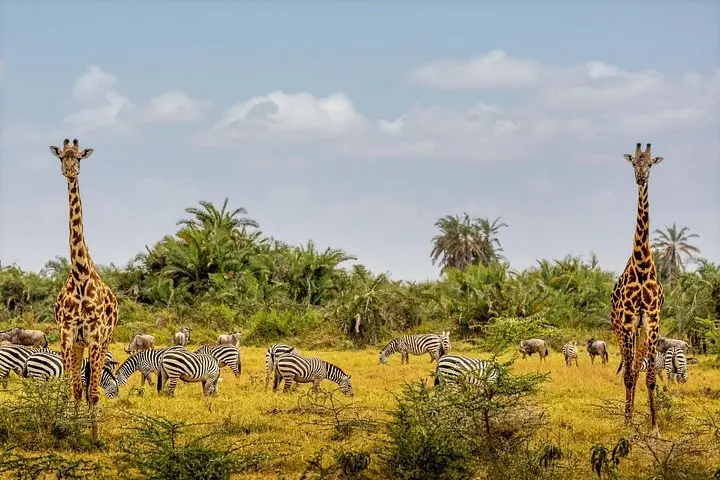
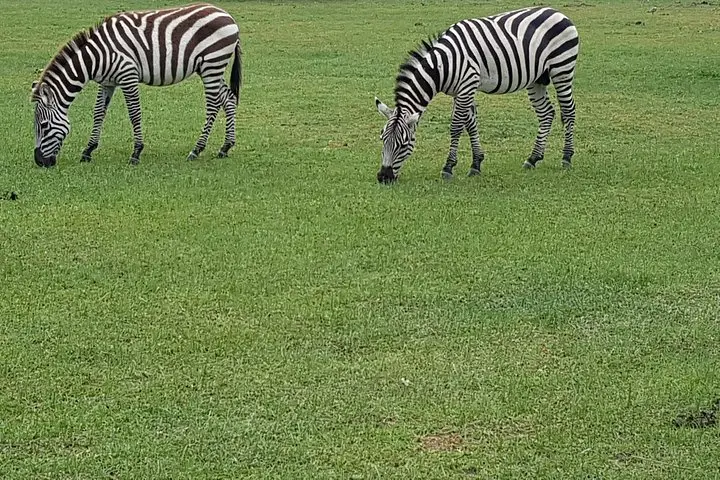
Expect open 4x4 game drives, guided nature walks, and an optional visit to a Maasai village to learn about local crafts and pastoral life. Guides focus on elephants—Amboseli is famous for large tuskers—but zebras, giraffes, and predators often punctuate the day.
Practical notes: dawn and dusk are the clearest times for Kilimanjaro views and big-cat activity; bring layered clothing for chilly mornings and strong sun protection by noon. Vehicles cover uneven tracks—mobility is moderate but accessible options exist—and lodges provide full-board meals and Wi‑Fi on most itineraries. Carry binoculars, a camera with a telephoto lens, reusable water bottle, and respect viewing distances to avoid stressing wildlife.
This three-day loop from Nairobi is compact but offers sustained wildlife viewing and cultural context—ideal for travelers who want concentrated safari time without long overland transfers.
Amboseli National Park is roughly 240–270 km southeast of Nairobi; road travel typically takes 4–6 hours depending on traffic and exact lodge location.
Elephants are common, and Amboseli is renowned for them, but sightings and mountain visibility depend on weather and animal movement—early mornings increase your chances for clear Kilimanjaro views.
The itinerary is family-friendly and the operator notes wheelchair-accessible options, but getting in/out of vehicles and uneven surfaces mean assistance may be needed for limited mobility guests.
Confirm current Kenya entry rules and consult a travel clinic for routine vaccines and malaria prophylaxis recommendations before travel.
Africompass travel operates guided outdoor trips and adventures with an emphasis on safety, stewardship, and memorable experiences.
First light over Amboseli cuts the silhouette of Kilimanjaro into shards of silver and shadow, and a column of elephants edges toward a marsh that dares you to step closer. On a three-day safari here the plains move like weather—calm at dawn, electric by midday—and wildlife writes the schedule.
First light over Amboseli cuts the silhouette of Kilimanjaro into shards of silver and shadow, and a column of elephants edges toward a marsh that dares you to step closer. On a three-day safari here the plains move like weather—calm at dawn, electric by midday—and wildlife writes the schedule.
Amboseli sits at the foot of Africa’s highest free-standing peak; the park’s broad salt-encrusted plains and seasonal swamps are the product of Kilimanjaro’s volcanic geology and centuries of glacial melt. Maasai communities have grazed these lowlands for generations, and you can still hear elders recounting how the land supported both cattle and the great herds that pass through.
Expect open 4x4 game drives, guided nature walks, and an optional visit to a Maasai village to learn about local crafts and pastoral life. Guides focus on elephants—Amboseli is famous for large tuskers—but zebras, giraffes, and predators often punctuate the day.
Practical notes: dawn and dusk are the clearest times for Kilimanjaro views and big-cat activity; bring layered clothing for chilly mornings and strong sun protection by noon. Vehicles cover uneven tracks—mobility is moderate but accessible options exist—and lodges provide full-board meals and Wi‑Fi on most itineraries. Carry binoculars, a camera with a telephoto lens, reusable water bottle, and respect viewing distances to avoid stressing wildlife.
This three-day loop from Nairobi is compact but offers sustained wildlife viewing and cultural context—ideal for travelers who want concentrated safari time without long overland transfers.