THE ADVENTURE COLLECTIVE® · Independent discovery and booking for outdoor travel

A compact three-day safari that pairs iconic elephant herds with one of the best photographic views of Mount Kilimanjaro. Ideal for travelers who want concentrated wildlife viewing and cultural encounters without long overland travel.
A compact three-day safari that pairs iconic elephant herds with one of the best photographic views of Mount Kilimanjaro. Ideal for travelers who want concentrated wildlife viewing and cultural encounters without long overland travel.
You arrive before dawn, the Land Cruiser crunching across red earth while Kilimanjaro’s white cap catches first light on the horizon — an unblinking backdrop that seems to pull the plains into sharper focus.
Verified experiences and guided adventures in the surrounding area.
You arrive before dawn, the Land Cruiser crunching across red earth while Kilimanjaro’s white cap catches first light on the horizon — an unblinking backdrop that seems to pull the plains into sharper focus.
Amboseli’s flat, open pans, irrigation-fed wetlands and low acacia stands create one of East Africa’s most photographic wildlife stages. The park’s geology is dominated by volcanic sediments and alkaline swamps fed by springs that counter the dry, dusty plain — a contrast that attracts large elephant herds and the predators that shadow them.
History and culture are close at hand: this is Maasai country, where pastoralists continue seasonal grazing traditions and offer guided cultural visits that explain local land use and livestock rites. The distant rumble of Kilimanjaro — a dormant volcano with shrinking glaciers — frames both natural history and climate stories visitors often hear on a guide’s drive.
Practically, a three-day safari from Nairobi is a compact loop: a morning drive out of the city, afternoon and sunrise game drives around observation points, and time for a Maasai visit or an evening at a lodge overlooking the swamps. Expect long, bumpy drives between sightings, early starts for best light and cool mornings that warm quickly.
Bring a telephoto lens, binoculars, layered clothing for temperature swings, and plenty of water. Follow park rules, keep distance from wildlife, and time game drives around sunrise and late afternoon for active animals and the most dramatic Kilimanjaro views.
Driving distance is roughly 240–275 km and typically takes 4–6 hours depending on traffic and road conditions; many tours depart Nairobi early to maximize game time.
Kilimanjaro is visible on clear days, but low clouds or haze can obscure the summit; early mornings and dry-season months offer the best chances for clear vistas.
Consult your physician for routine travel vaccines and malaria prevention advice for southern Kenya; carry insect repellent and consider prophylaxis where recommended.
Many three-day itineraries offer optional Maasai cultural visits; these are often extra but provide valuable local context and support community enterprises.
You arrive before dawn, the Land Cruiser crunching across red earth while Kilimanjaro’s white cap catches first light on the horizon — an unblinking backdrop that seems to pull the plains into sharper focus.
You arrive before dawn, the Land Cruiser crunching across red earth while Kilimanjaro’s white cap catches first light on the horizon — an unblinking backdrop that seems to pull the plains into sharper focus.
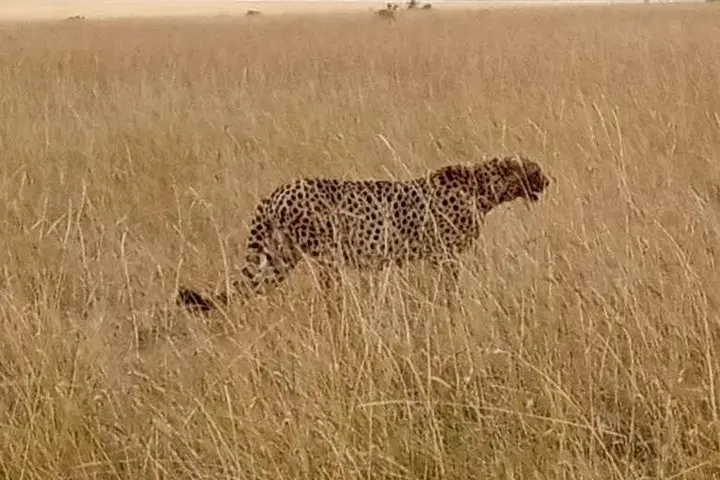
Amboseli’s flat, open pans, irrigation-fed wetlands and low acacia stands create one of East Africa’s most photographic wildlife stages. The park’s geology is dominated by volcanic sediments and alkaline swamps fed by springs that counter the dry, dusty plain — a contrast that attracts large elephant herds and the predators that shadow them.
History and culture are close at hand: this is Maasai country, where pastoralists continue seasonal grazing traditions and offer guided cultural visits that explain local land use and livestock rites. The distant rumble of Kilimanjaro — a dormant volcano with shrinking glaciers — frames both natural history and climate stories visitors often hear on a guide’s drive.
Practically, a three-day safari from Nairobi is a compact loop: a morning drive out of the city, afternoon and sunrise game drives around observation points, and time for a Maasai visit or an evening at a lodge overlooking the swamps. Expect long, bumpy drives between sightings, early starts for best light and cool mornings that warm quickly.
Bring a telephoto lens, binoculars, layered clothing for temperature swings, and plenty of water. Follow park rules, keep distance from wildlife, and time game drives around sunrise and late afternoon for active animals and the most dramatic Kilimanjaro views.