THE ADVENTURE COLLECTIVE® · Independent discovery and booking for outdoor travel

A three-day loop through Amboseli National Park that pairs dawn and dusk game drives with sweeping views of Mount Kilimanjaro’s snow-capped peak. Expect close elephant encounters, wetlands alive with birds, and straightforward lodge comforts.
A three-day loop through Amboseli National Park that pairs dawn and dusk game drives with sweeping views of Mount Kilimanjaro’s snow-capped peak. Expect close elephant encounters, wetlands alive with birds, and straightforward lodge comforts.
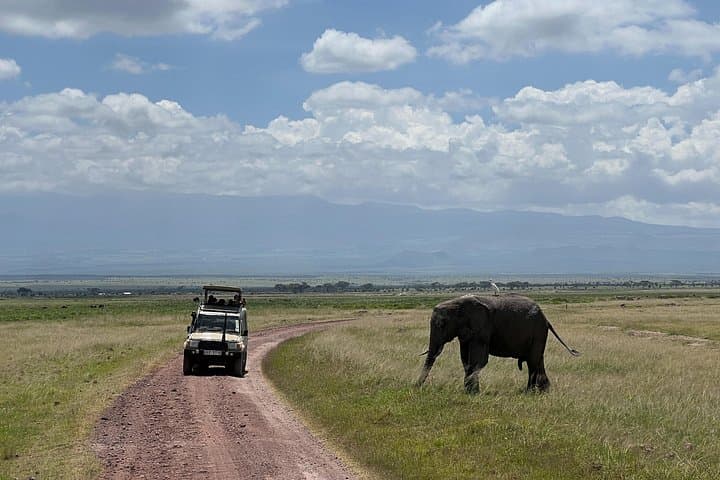
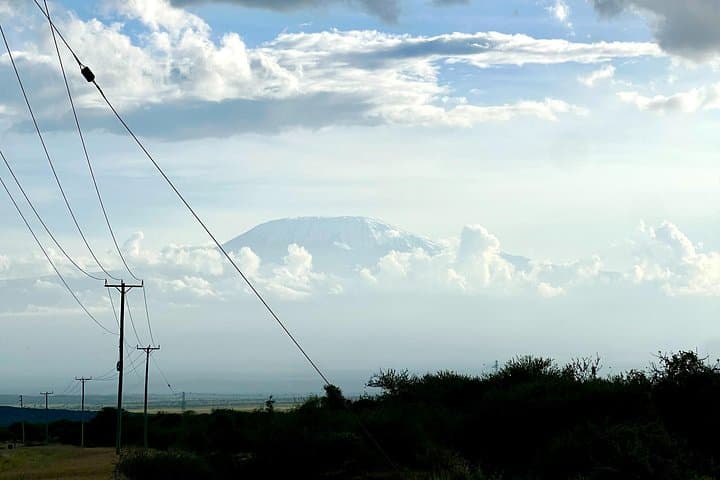
The Land Cruiser rattles onto a dry track and the first glimpse of Kilimanjaro’s snowcap appears—an impossible white rising above ochre plains. In Amboseli the air feels open and blunt: wind pushes across short grass, acacia shadows slice the afternoon, and elephants move like weather across the horizon. Game drives take visitors into marshy wetlands, flat pans, and low thorn scrub where giraffes stretch between trees and lions rest in the shade.
Verified experiences and guided adventures in the surrounding area.
Operated by Queen Roseline Safaris · Amboseli, Kajiado County
The Land Cruiser rattles onto a dry track and the first glimpse of Kilimanjaro’s snowcap appears—an impossible white rising above ochre plains. In Amboseli the air feels open and blunt: wind pushes across short grass, acacia shadows slice the afternoon, and elephants move like weather across the horizon. Game drives take visitors into marshy wetlands, flat pans, and low thorn scrub where giraffes stretch between trees and lions rest in the shade.
Amboseli’s story is geological: sediments and underground springs fed by ancient volcanic activity from the Kilimanjaro massif create permanent swamps amid semi-arid plains. Culturally, Maasai communities have grazed these flats for generations; optional village visits offer direct insight into pastoral life, beadwork, and local land-use perspectives. Observation Hill provides a compact panorama—Kilimanjaro’s glaciers glint while hippo-choked wetlands pulse below.
Practical guidance: drives are timed for dawn and late afternoon when animals are most active and light is best for photography. Vehicles have pop roofs for standing and unobstructed viewing; bring neutral-colored clothing to reduce disturbance. Expect basic lodge comforts with full-board meals and early wake-ups. Roads can be dusty and bumpy—motion sickness remedies and good footwear for short walks at hides are wise. Carry binoculars, a charged camera, and a refillable water bottle; guide briefings explain park rules to keep wildlife wild.
This three-day loop is accessible for most travelers, delivers classic Kilimanjaro-backed wildlife viewing, and pairs serious game time with moments of quiet—when the plains seem to hold their breath and the mountain watches on.
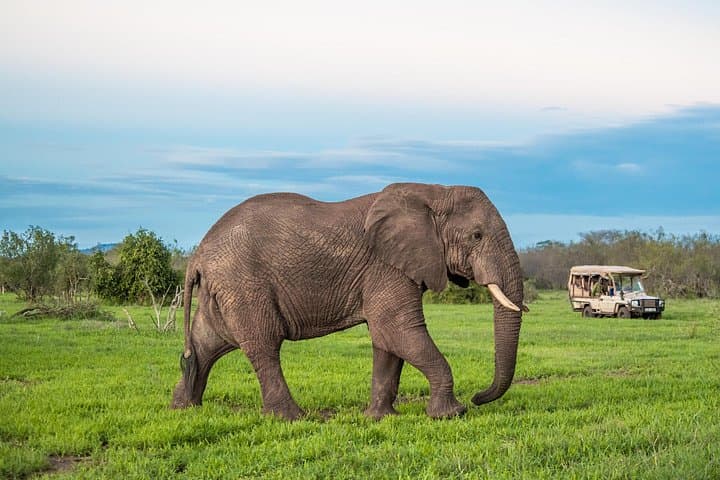
Guides position vehicles for close but safe viewing—elephant and plains-herbivore encounters can be within tens of meters, but distance varies by animal behavior and park rules.
Yes, standard packages include park entrance fees, full-board meals listed in the itinerary, and game drives as noted.
Consult a travel clinic—yellow fever vaccination may be required if arriving from certain countries; malaria prophylaxis is commonly recommended for southern Kenya.
Most lodges provide basic charging and limited power; bring spare batteries and a portable power bank for uninterrupted photography.
Queen Roseline Safaris operates guided outdoor trips and adventures with an emphasis on safety, stewardship, and memorable experiences.
The Land Cruiser rattles onto a dry track and the first glimpse of Kilimanjaro’s snowcap appears—an impossible white rising above ochre plains. In Amboseli the air feels open and blunt: wind pushes across short grass, acacia shadows slice the afternoon, and elephants move like weather across the horizon. Game drives take visitors into marshy wetlands, flat pans, and low thorn scrub where giraffes stretch between trees and lions rest in the shade.
The Land Cruiser rattles onto a dry track and the first glimpse of Kilimanjaro’s snowcap appears—an impossible white rising above ochre plains. In Amboseli the air feels open and blunt: wind pushes across short grass, acacia shadows slice the afternoon, and elephants move like weather across the horizon. Game drives take visitors into marshy wetlands, flat pans, and low thorn scrub where giraffes stretch between trees and lions rest in the shade.
Amboseli’s story is geological: sediments and underground springs fed by ancient volcanic activity from the Kilimanjaro massif create permanent swamps amid semi-arid plains. Culturally, Maasai communities have grazed these flats for generations; optional village visits offer direct insight into pastoral life, beadwork, and local land-use perspectives. Observation Hill provides a compact panorama—Kilimanjaro’s glaciers glint while hippo-choked wetlands pulse below.
Practical guidance: drives are timed for dawn and late afternoon when animals are most active and light is best for photography. Vehicles have pop roofs for standing and unobstructed viewing; bring neutral-colored clothing to reduce disturbance. Expect basic lodge comforts with full-board meals and early wake-ups. Roads can be dusty and bumpy—motion sickness remedies and good footwear for short walks at hides are wise. Carry binoculars, a charged camera, and a refillable water bottle; guide briefings explain park rules to keep wildlife wild.
This three-day loop is accessible for most travelers, delivers classic Kilimanjaro-backed wildlife viewing, and pairs serious game time with moments of quiet—when the plains seem to hold their breath and the mountain watches on.