THE ADVENTURE COLLECTIVE® · Independent discovery and booking for outdoor travel

Spend three days tracking elephants across open plains with Kilimanjaro as your backdrop. This easy, family-friendly safari pairs expert guides and comfortable lodge nights with daily game drives tailored to prime wildlife viewing.
Spend three days tracking elephants across open plains with Kilimanjaro as your backdrop. This easy, family-friendly safari pairs expert guides and comfortable lodge nights with daily game drives tailored to prime wildlife viewing.
The sun lifts off the salt flats and Kilimanjaro’s icecap shrinks into a hard white coin on the horizon — that first dawn in Amboseli feels like the land is waking with purpose. Vehicles slide across low scrub and grassy plains, and the air smells faintly of dust and dry grass as herds of elephants move with deliberate curiosity.
Verified experiences and guided adventures in the surrounding area.
Operated by Antonio Safaris · Nairobi, Kajiado County
The sun lifts off the salt flats and Kilimanjaro’s icecap shrinks into a hard white coin on the horizon — that first dawn in Amboseli feels like the land is waking with purpose. Vehicles slide across low scrub and grassy plains, and the air smells faintly of dust and dry grass as herds of elephants move with deliberate curiosity.
Amboseli sits at roughly 1,100–1,200 m above sea level at the southern edge of Kenya, a mix of open savanna, seasonal swamps and acacia woodland created by volcanic soils washed down from Kilimanjaro. Humans have traveled this corridor for centuries; Maasai communities still graze cattle and read the land for water and pathways. Geologically, the park’s broad salt pan is the remnant of an ancient lake, now a stage for large mammals and transient wetlands.
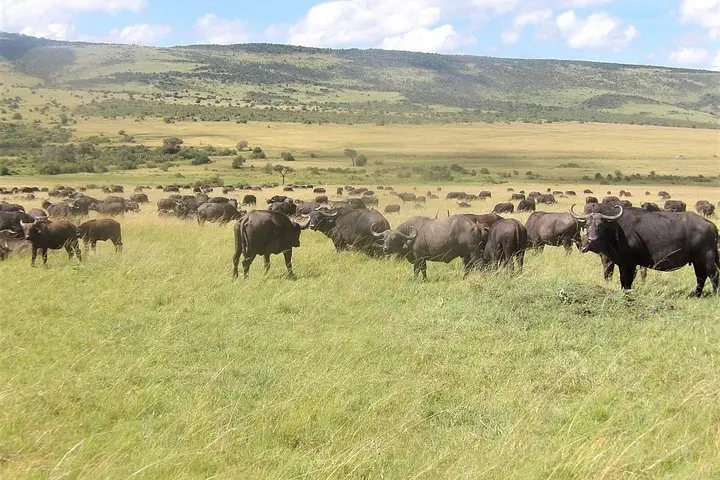
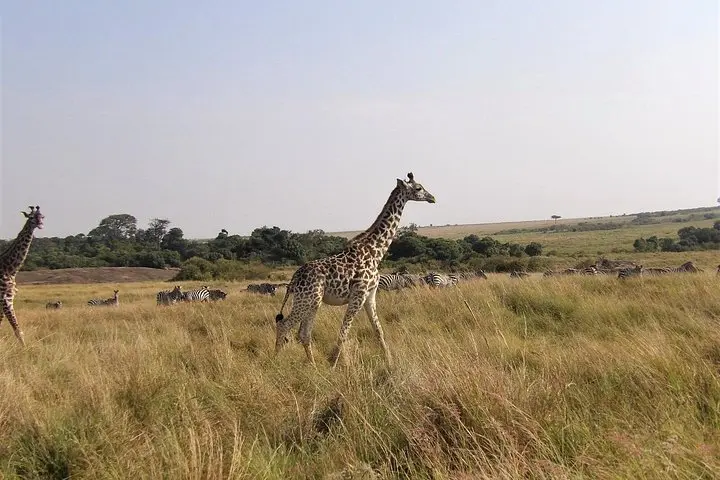
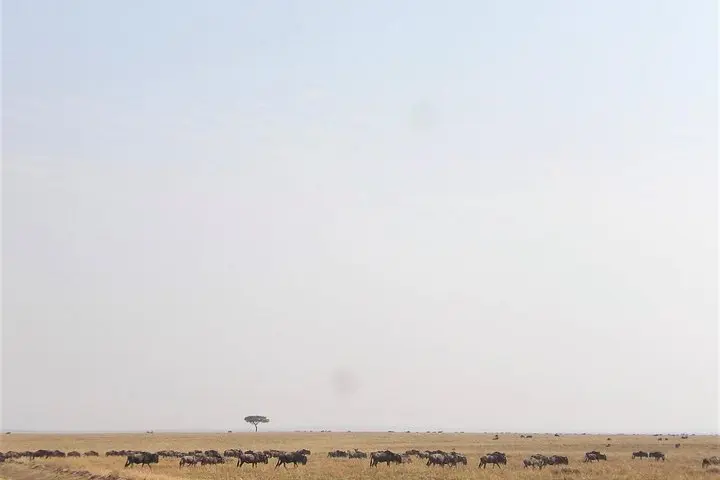
On a typical three-day itinerary you’ll do sunrise and late-afternoon game drives, a full-day loop across the park, and travel time to and from Nairobi. Expect close elephant encounters, sightings of lion and wildebeest, and clear photo-ops of Africa’s highest peak when weather allows. Guides use knowledge of seasonal water and animal movement to time sightings.
Practical notes: mornings and evenings are coolest — layer, bring sun protection and carry at least 2–3 liters of water per person during long game drives. Roads inside the park vary from firm track to rutted clay; comfortable suspension in the vehicle matters. Pack binoculars, a neutral-colored wardrobe, and a lightweight daypack. For families, the schedule is relaxed with lodge-based comforts by night and focused, drive-based wildlife viewing by day.
The dry months (June–October and January–February) generally offer clearer views of Kilimanjaro and concentrated wildlife around water sources, while short rains (Nov–Dec) bring fewer tourists and lush scenery.
Visitors should check Kenya’s current entry requirements and recommended vaccinations (commonly yellow fever, typhoid, hepatitis A); consult your physician and official government resources before travel.
Yes — this tour is family-friendly and suitable for children; operators often recommend child-appropriate seating and supervision during drives.
Expect about 4–5 hours each way by road depending on traffic and route; many itineraries include airport transfers and set pickup locations in Nairobi.
Antonio Safaris operates guided outdoor trips and adventures with an emphasis on safety, stewardship, and memorable experiences.
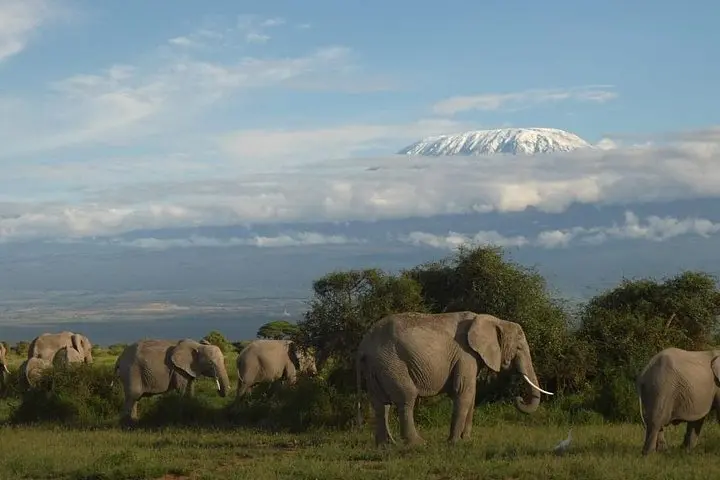
The sun lifts off the salt flats and Kilimanjaro’s icecap shrinks into a hard white coin on the horizon — that first dawn in Amboseli feels like the land is waking with purpose. Vehicles slide across low scrub and grassy plains, and the air smells faintly of dust and dry grass as herds of elephants move with deliberate curiosity.
The sun lifts off the salt flats and Kilimanjaro’s icecap shrinks into a hard white coin on the horizon — that first dawn in Amboseli feels like the land is waking with purpose. Vehicles slide across low scrub and grassy plains, and the air smells faintly of dust and dry grass as herds of elephants move with deliberate curiosity.
Amboseli sits at roughly 1,100–1,200 m above sea level at the southern edge of Kenya, a mix of open savanna, seasonal swamps and acacia woodland created by volcanic soils washed down from Kilimanjaro. Humans have traveled this corridor for centuries; Maasai communities still graze cattle and read the land for water and pathways. Geologically, the park’s broad salt pan is the remnant of an ancient lake, now a stage for large mammals and transient wetlands.
On a typical three-day itinerary you’ll do sunrise and late-afternoon game drives, a full-day loop across the park, and travel time to and from Nairobi. Expect close elephant encounters, sightings of lion and wildebeest, and clear photo-ops of Africa’s highest peak when weather allows. Guides use knowledge of seasonal water and animal movement to time sightings.
Practical notes: mornings and evenings are coolest — layer, bring sun protection and carry at least 2–3 liters of water per person during long game drives. Roads inside the park vary from firm track to rutted clay; comfortable suspension in the vehicle matters. Pack binoculars, a neutral-colored wardrobe, and a lightweight daypack. For families, the schedule is relaxed with lodge-based comforts by night and focused, drive-based wildlife viewing by day.