THE ADVENTURE COLLECTIVE® · Independent discovery and booking for outdoor travel

Swap Nairobi traffic for raw savanna: a three-day Amboseli safari places you beneath Kilimanjaro with long game drives, close elephant encounters and nights at a riverside camp. Read on for what to expect, when to go and how to pack.
Swap Nairobi traffic for raw savanna: a three-day Amboseli safari places you beneath Kilimanjaro with long game drives, close elephant encounters and nights at a riverside camp. Read on for what to expect, when to go and how to pack.
Morning light cuts across the plains and turns the dust into a low, golden cloud as your safari minivan slips toward the park gates. Mount Kilimanjaro towers to the south, its snowline a steady landmark that dares you to look away. Over the next three days you trade Nairobi’s bustle for open savanna, quiet camps and afternoons spent tracking elephant herds and stalking horizons for lions and cheetah.
Verified experiences and guided adventures in the surrounding area.
Operated by Sirmichaels Safaris · Loitokitok, Kajiado County
Morning light cuts across the plains and turns the dust into a low, golden cloud as your safari minivan slips toward the park gates. Mount Kilimanjaro towers to the south, its snowline a steady landmark that dares you to look away. Over the next three days you trade Nairobi’s bustle for open savanna, quiet camps and afternoons spent tracking elephant herds and stalking horizons for lions and cheetah.
Amboseli — from a Maasai word meaning "salty dust" — sits on a shallow basin below Kilimanjaro. The park’s soils and seasonal marshes create rich grazing that draws large herbivores, and the volcanic soils and glacial runoff explain the salty plains and clumps of acacia and thorn scrub. Culturally the area is Maasai country: many guides and staff are Maasai, and their livestock and rangeland history shape how wildlife moves through the park.
Practically, expect a 4–5 hour drive from Nairobi, arrival for lunch on day one, full-day game drives and a dawn pre-breakfast sortie on the final day. Terrain is mostly flat plains and seasonal wetlands; walking is minimal but you should be comfortable climbing in and out of a vehicle. Wildlife viewing is best at dawn and dusk when animals are active and Kilimanjaro is most likely to be clear. Bring a telephoto lens or binoculars, layers for cool mornings, sun protection, and a willingness to be patient—ambush predators and shy black rhinos reward time over hurry. The tour includes transport, meals as listed, English-speaking guide and emergency evacuation enrollment, but check park-entry details and tipping norms before you go.
Expect about 4–5 hours each way via Loitoktok Road depending on traffic and road conditions; early departure is standard to maximize afternoon game viewing.
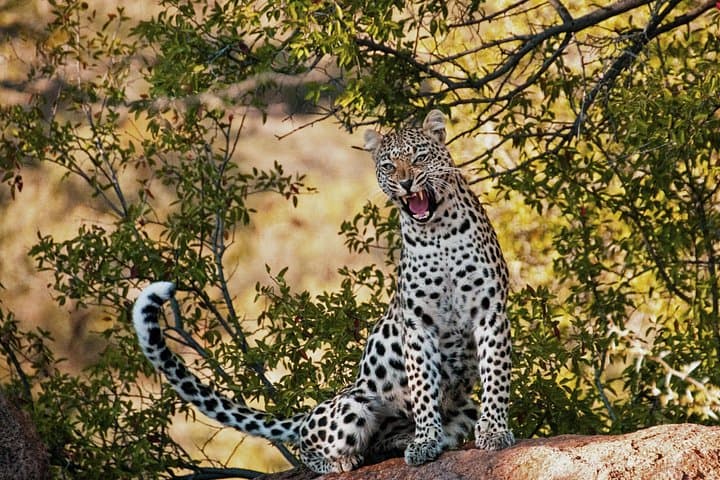
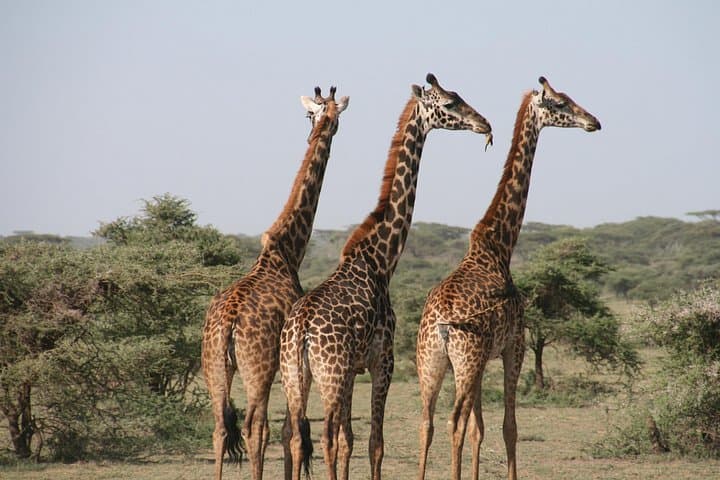
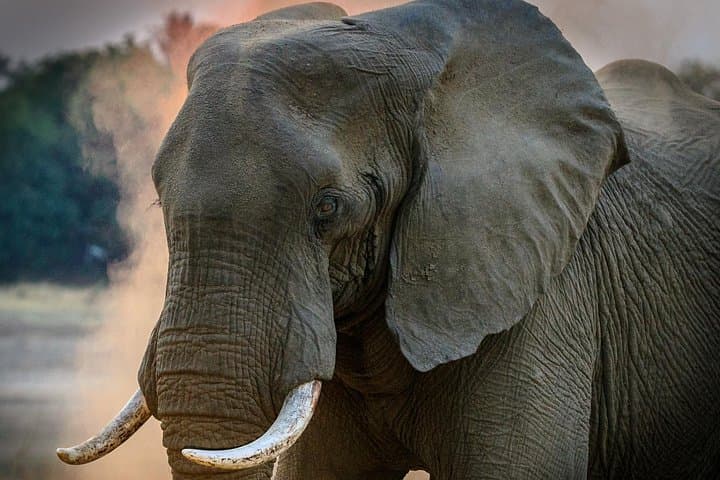
Amboseli is famous for large elephant herds and great views of Kilimanjaro; you’ll commonly see zebras, wildebeest, giraffes, impala and, with luck, lions, cheetahs and hyenas.
This itinerary lists transport, specific meals, unlimited game drives, camp accommodation and AMREF emergency evacuation; confirm with the operator whether park entry fees are included in the price before booking.
The tour is described as suitable for all fitness levels; children must be accompanied by an adult and limited mobility guests should check vehicle accessibility and inform the operator in advance.
Sirmichaels Safaris operates guided outdoor trips and adventures with an emphasis on safety, stewardship, and memorable experiences.

Morning light cuts across the plains and turns the dust into a low, golden cloud as your safari minivan slips toward the park gates. Mount Kilimanjaro towers to the south, its snowline a steady landmark that dares you to look away. Over the next three days you trade Nairobi’s bustle for open savanna, quiet camps and afternoons spent tracking elephant herds and stalking horizons for lions and cheetah.
Morning light cuts across the plains and turns the dust into a low, golden cloud as your safari minivan slips toward the park gates. Mount Kilimanjaro towers to the south, its snowline a steady landmark that dares you to look away. Over the next three days you trade Nairobi’s bustle for open savanna, quiet camps and afternoons spent tracking elephant herds and stalking horizons for lions and cheetah.
Amboseli — from a Maasai word meaning "salty dust" — sits on a shallow basin below Kilimanjaro. The park’s soils and seasonal marshes create rich grazing that draws large herbivores, and the volcanic soils and glacial runoff explain the salty plains and clumps of acacia and thorn scrub. Culturally the area is Maasai country: many guides and staff are Maasai, and their livestock and rangeland history shape how wildlife moves through the park.
Practically, expect a 4–5 hour drive from Nairobi, arrival for lunch on day one, full-day game drives and a dawn pre-breakfast sortie on the final day. Terrain is mostly flat plains and seasonal wetlands; walking is minimal but you should be comfortable climbing in and out of a vehicle. Wildlife viewing is best at dawn and dusk when animals are active and Kilimanjaro is most likely to be clear. Bring a telephoto lens or binoculars, layers for cool mornings, sun protection, and a willingness to be patient—ambush predators and shy black rhinos reward time over hurry. The tour includes transport, meals as listed, English-speaking guide and emergency evacuation enrollment, but check park-entry details and tipping norms before you go.