THE ADVENTURE COLLECTIVE® · Independent discovery and booking for outdoor travel

Explore Angkor’s crown jewels and Siem Reap’s local life over three full days—sunrise at Angkor Wat, root‑engulfed Ta Prohm, detailed carvings at Banteay Srei, and lively markets. Practical tips on timing, dress code, and what to expect on long walking days.
Explore Angkor’s crown jewels and Siem Reap’s local life over three full days—sunrise at Angkor Wat, root‑engulfed Ta Prohm, detailed carvings at Banteay Srei, and lively markets. Practical tips on timing, dress code, and what to expect on long walking days.
You arrive at dawn under a wide, pale sky and Angkor Wat’s silhouette sharpens against the first light. The air smells of dust and frangipani; temple stones hold the night's cool while tuk‑tuk drivers arrange their day. Over three days the tour moves from the monumental galleries of Angkor Wat to the banyan‑choked corridors of Ta Prohm, then out to the pink sandstone detail of Banteay Srei and the quieter ruin of Banteay Samre, finishing with Siem Reap’s markets and a silk farm.
Verified experiences and guided adventures in the surrounding area.
Operated by Angkor Boutique Tours · Siem Reap, Siem Reap Province
You arrive at dawn under a wide, pale sky and Angkor Wat’s silhouette sharpens against the first light. The air smells of dust and frangipani; temple stones hold the night's cool while tuk‑tuk drivers arrange their day. Over three days the tour moves from the monumental galleries of Angkor Wat to the banyan‑choked corridors of Ta Prohm, then out to the pink sandstone detail of Banteay Srei and the quieter ruin of Banteay Samre, finishing with Siem Reap’s markets and a silk farm.
Angkor is the archaeological imprint of the Khmer Empire (9th–15th centuries); its temples are carved from sandstone and laterite, raised and altered across dynasties. Geology matters here—soft sandstone yields the fine bas‑reliefs at Banteay Srei while the laterite cores of Angkor Thom give the monuments bulk. Culturally, the region blends Buddhist practice with living village life; markets and pagodas provide a glimpse of contemporary Siem Reap alongside royal and religious history.
Practical guidance: tours typically start early (8:00 AM), expect long walking days on uneven stone stairways and packed dirt paths, and observe strict temple dress codes—knees and shoulders covered. Hydrate often; shade is limited between sites. Bring insect protection for late afternoons and a lightweight, breathable layer for cooler mornings. Photography is excellent but be prepared for crowds at major sights—ask your guide for quieter vantage points. This itinerary is ideal for travelers who want concentrated cultural immersion, informed commentary from an English‑speaking guide, and a mix of iconic and local experiences over three full days.
General temple entrance fees (Angkor Pass) are usually not included; confirm with the operator and purchase passes at official ticket centers.
Dress modestly: no shorts or sleeveless tops. Knees and shoulders must be covered for both men and women to enter most temples.
Days involve several hours of walking and climbing narrow, steep stone steps; if you have mobility issues, notify the operator in advance.
Many temple grounds have uneven surfaces and steps; access is limited—check in advance for specific sites and arrange transport or assistance if needed.
Angkor Boutique Tours operates guided outdoor trips and adventures with an emphasis on safety, stewardship, and memorable experiences.
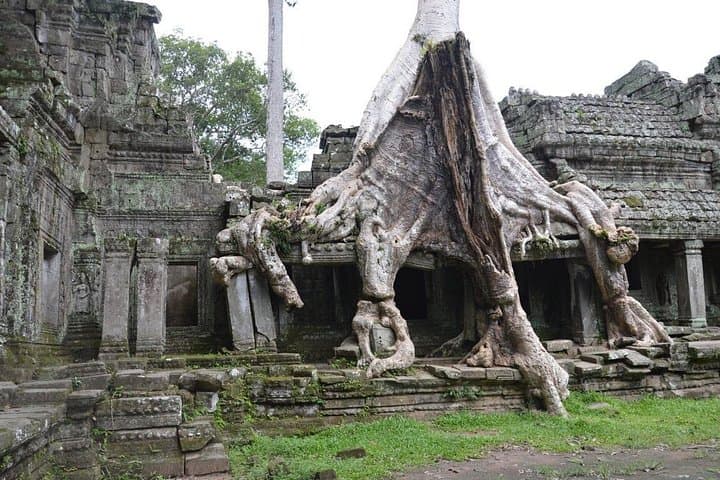
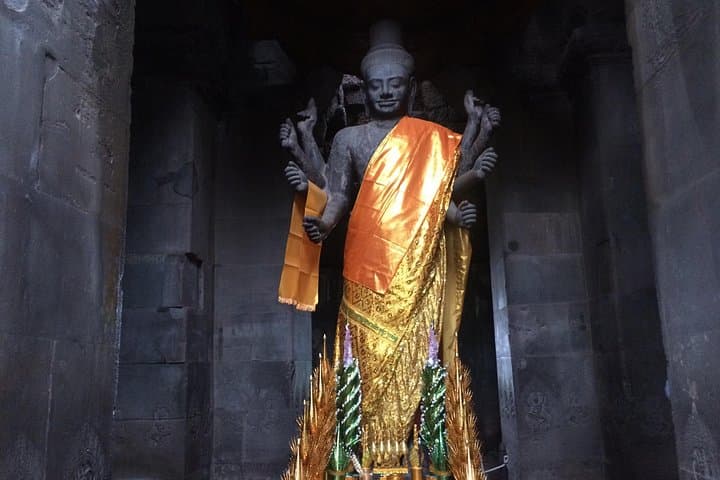
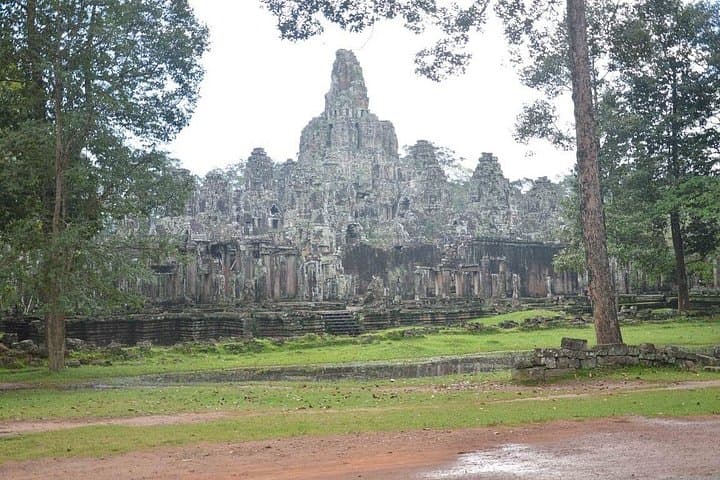
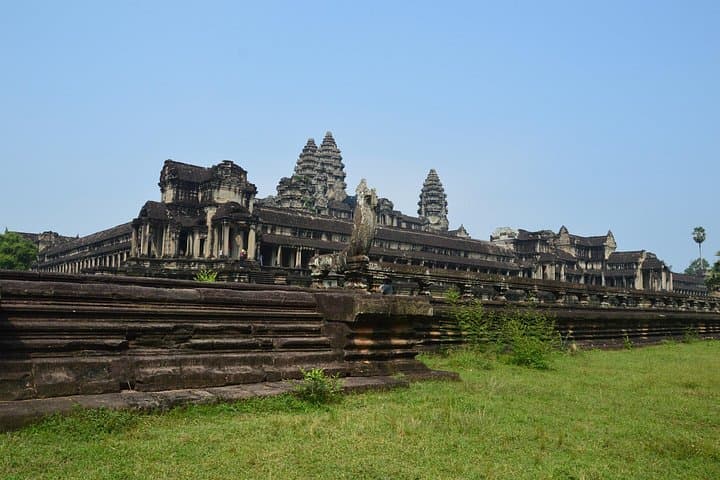
You arrive at dawn under a wide, pale sky and Angkor Wat’s silhouette sharpens against the first light. The air smells of dust and frangipani; temple stones hold the night's cool while tuk‑tuk drivers arrange their day. Over three days the tour moves from the monumental galleries of Angkor Wat to the banyan‑choked corridors of Ta Prohm, then out to the pink sandstone detail of Banteay Srei and the quieter ruin of Banteay Samre, finishing with Siem Reap’s markets and a silk farm.
You arrive at dawn under a wide, pale sky and Angkor Wat’s silhouette sharpens against the first light. The air smells of dust and frangipani; temple stones hold the night's cool while tuk‑tuk drivers arrange their day. Over three days the tour moves from the monumental galleries of Angkor Wat to the banyan‑choked corridors of Ta Prohm, then out to the pink sandstone detail of Banteay Srei and the quieter ruin of Banteay Samre, finishing with Siem Reap’s markets and a silk farm.
Angkor is the archaeological imprint of the Khmer Empire (9th–15th centuries); its temples are carved from sandstone and laterite, raised and altered across dynasties. Geology matters here—soft sandstone yields the fine bas‑reliefs at Banteay Srei while the laterite cores of Angkor Thom give the monuments bulk. Culturally, the region blends Buddhist practice with living village life; markets and pagodas provide a glimpse of contemporary Siem Reap alongside royal and religious history.
Practical guidance: tours typically start early (8:00 AM), expect long walking days on uneven stone stairways and packed dirt paths, and observe strict temple dress codes—knees and shoulders covered. Hydrate often; shade is limited between sites. Bring insect protection for late afternoons and a lightweight, breathable layer for cooler mornings. Photography is excellent but be prepared for crowds at major sights—ask your guide for quieter vantage points. This itinerary is ideal for travelers who want concentrated cultural immersion, informed commentary from an English‑speaking guide, and a mix of iconic and local experiences over three full days.