THE ADVENTURE COLLECTIVE® · Independent discovery and booking for outdoor travel

Spend three days moving between Angkor’s great temples and the wild river-carved bedrock of Phnom Kulen. This private tour pairs sunrise at Angkor Wat with the 1000 Lingas, Kulen’s waterfall swims and the pink-carved panels of Banteay Srei.
Spend three days moving between Angkor’s great temples and the wild river-carved bedrock of Phnom Kulen. This private tour pairs sunrise at Angkor Wat with the 1000 Lingas, Kulen’s waterfall swims and the pink-carved panels of Banteay Srei.
Dawn light slips across the reflecting pool in front of Angkor Wat as your private vehicle threads the palm-lined road toward the causeway. For three days you move between stone faces and forest-clad ruins, watching carved bas-reliefs change with the angle of the sun and trading the hush of temple galleries for the splash of a mountain waterfall.
Verified experiences and guided adventures in the surrounding area.
Operated by Cambodia Transport Service · Siem Reap, Siem Reap Province
Dawn light slips across the reflecting pool in front of Angkor Wat as your private vehicle threads the palm-lined road toward the causeway. For three days you move between stone faces and forest-clad ruins, watching carved bas-reliefs change with the angle of the sun and trading the hush of temple galleries for the splash of a mountain waterfall.
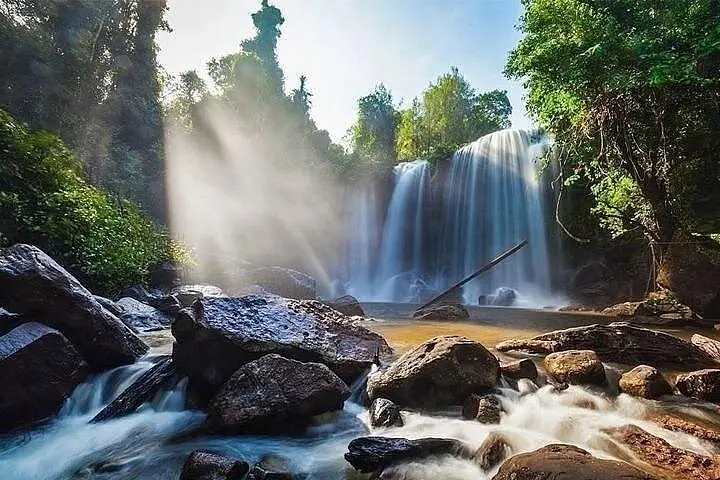
These sites were built by the Khmer Empire between the 9th and 13th centuries; Angkor Wat’s sandstone walls, the enigmatic smiling towers of Bayon, the root-entwined galleries of Ta Prohm and the fine pink carvings of Banteay Srei all tell fragments of that history. Phnom Kulen, a basalt plateau to the north, is geologically distinct—harder rock produced sculpted riverbeds where craftsmen once cut lingas into the stone, and its river pools form the Kulen Waterfall.
Culturally the circuit mixes active religious sites with artisan workshops and lively markets in Siem Reap. Expect hot, humid days and early mornings for sunrise and sunset vantage points (Phnom Bakheng has a visitor limit). Practicalities: buy a multi-day Angkor Pass in town before the first stop, wear modest clothing that covers shoulders and knees, and bring sturdy walking shoes—many temple grounds are uneven and slippery after rain.
Hydration and sun protection matter; carry a refillable bottle and plan breaks around midday heat. At Phnom Kulen, pools are swimmable but rocky—observe posted warnings and follow your guide. With a licensed local guide and A/C vehicle included, this three-day loop balances major highlights with quieter temples and a slice of Khmer life—efficient, immersive, and physically undemanding for most travelers.
Yes—your guide will typically stop on day one to help arrange the required multi-day Angkor pass; bring passport copy and cash or card.
Yes in designated pools—conditions vary by season; follow guide instructions and avoid slippery edges.
Expect several hours of walking across temple compounds with intermittent climbs on stairs and uneven masonry; overall the tour is rated easy.
This private package includes hotel pickup/drop-off, a licensed English-speaking guide and bottled water; lunches are taken at local restaurants and typically paid by guests unless stated otherwise.
Cambodia Transport Service operates guided outdoor trips and adventures with an emphasis on safety, stewardship, and memorable experiences.
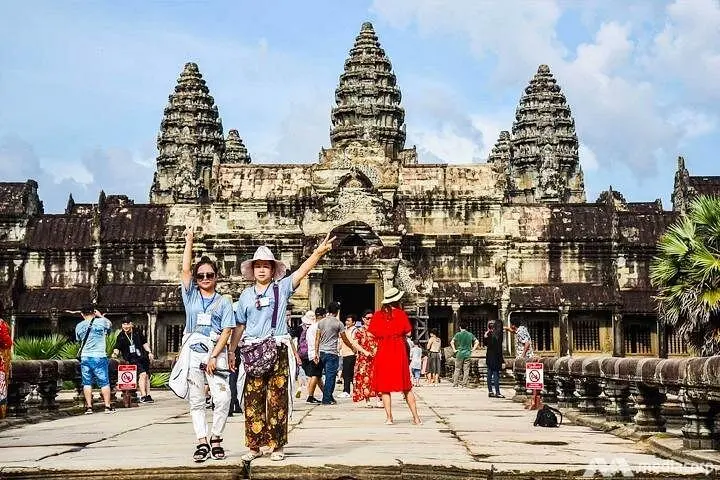
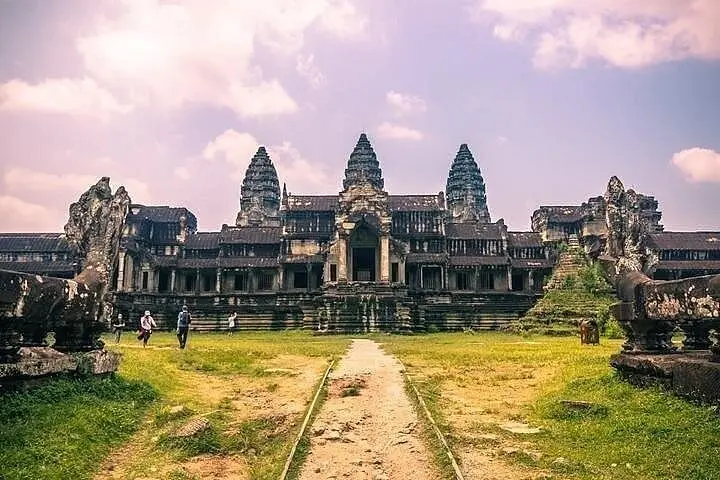
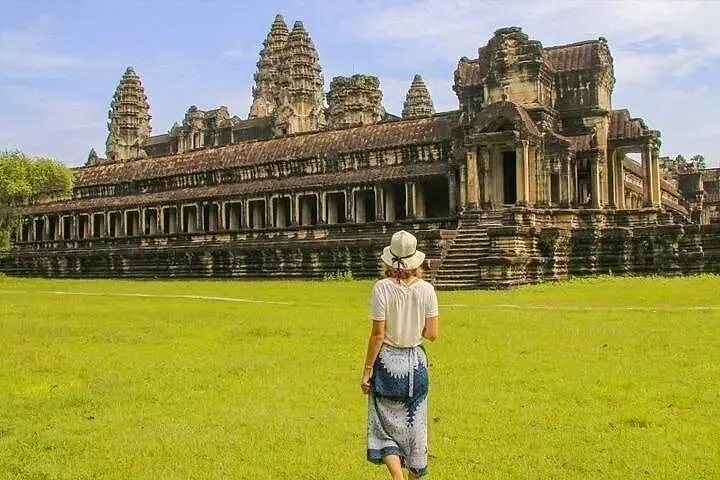
Dawn light slips across the reflecting pool in front of Angkor Wat as your private vehicle threads the palm-lined road toward the causeway. For three days you move between stone faces and forest-clad ruins, watching carved bas-reliefs change with the angle of the sun and trading the hush of temple galleries for the splash of a mountain waterfall.
Dawn light slips across the reflecting pool in front of Angkor Wat as your private vehicle threads the palm-lined road toward the causeway. For three days you move between stone faces and forest-clad ruins, watching carved bas-reliefs change with the angle of the sun and trading the hush of temple galleries for the splash of a mountain waterfall.
These sites were built by the Khmer Empire between the 9th and 13th centuries; Angkor Wat’s sandstone walls, the enigmatic smiling towers of Bayon, the root-entwined galleries of Ta Prohm and the fine pink carvings of Banteay Srei all tell fragments of that history. Phnom Kulen, a basalt plateau to the north, is geologically distinct—harder rock produced sculpted riverbeds where craftsmen once cut lingas into the stone, and its river pools form the Kulen Waterfall.
Culturally the circuit mixes active religious sites with artisan workshops and lively markets in Siem Reap. Expect hot, humid days and early mornings for sunrise and sunset vantage points (Phnom Bakheng has a visitor limit). Practicalities: buy a multi-day Angkor Pass in town before the first stop, wear modest clothing that covers shoulders and knees, and bring sturdy walking shoes—many temple grounds are uneven and slippery after rain.
Hydration and sun protection matter; carry a refillable bottle and plan breaks around midday heat. At Phnom Kulen, pools are swimmable but rocky—observe posted warnings and follow your guide. With a licensed local guide and A/C vehicle included, this three-day loop balances major highlights with quieter temples and a slice of Khmer life—efficient, immersive, and physically undemanding for most travelers.