THE ADVENTURE COLLECTIVE® · Independent discovery and booking for outdoor travel

Three days of sunrise, stone-carved history and jungle-claimed ruins—this Angkor circuit covers the major temples, the pink sandstone of Banteay Srei and the overgrown mystery of Beng Mealea. Plan for early starts, temple passes, and long days on uneven stone.
Three days of sunrise, stone-carved history and jungle-claimed ruins—this Angkor circuit covers the major temples, the pink sandstone of Banteay Srei and the overgrown mystery of Beng Mealea. Plan for early starts, temple passes, and long days on uneven stone.
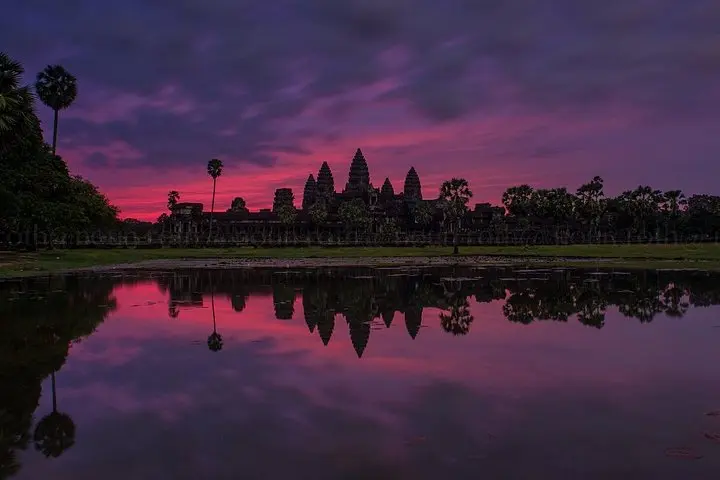
The day begins before dawn at Angkor’s moat, where the silhouette of Angkor Wat sinks into a cool, misted reflection and the crowd hushes as light edges the towers. Walking through carved galleries and stepping between roots that have toppled centuries-old blocks, you quickly feel the scale—stone that once housed kings now shaded by tropical sky.
Verified experiences and guided adventures in the surrounding area.
Operated by Happy Angkor Tour · Siem Reap, Siem Reap Province
The day begins before dawn at Angkor’s moat, where the silhouette of Angkor Wat sinks into a cool, misted reflection and the crowd hushes as light edges the towers. Walking through carved galleries and stepping between roots that have toppled centuries-old blocks, you quickly feel the scale—stone that once housed kings now shaded by tropical sky.
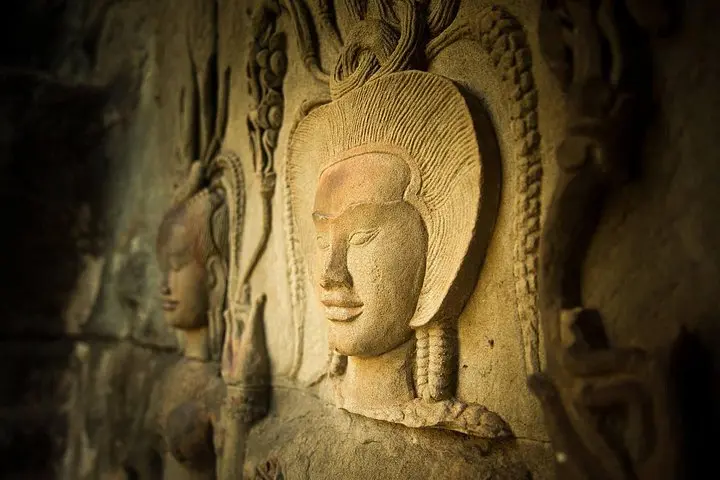
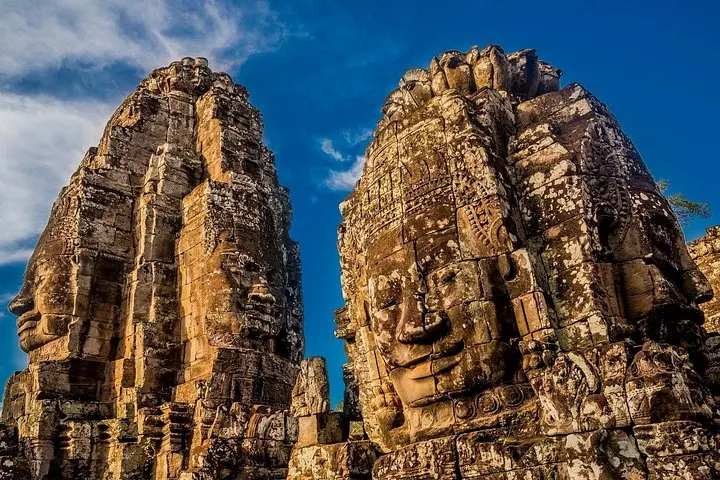
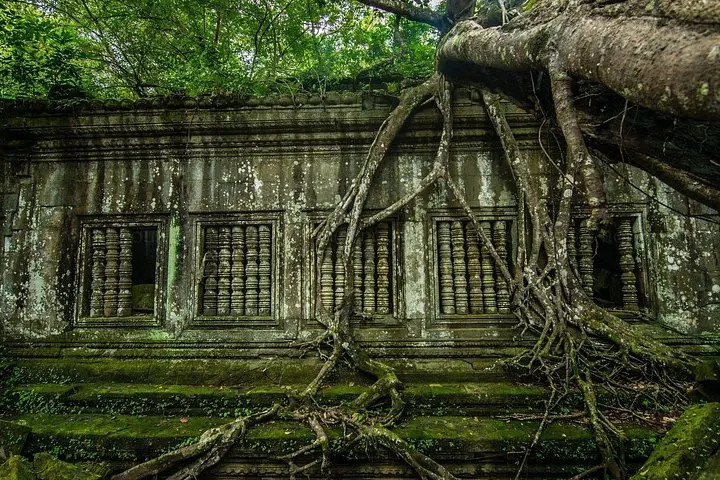
These temples are products of the Khmer Empire (9th–13th centuries), built largely from sandstone and laterite; their bas-reliefs record myth and court life while later Buddhist reworkings layered new meanings. Ta Prohm’s fig roots grab at lintels; Bayon’s carved faces watch the old capital of Angkor Thom; Banteay Srei glows pink from its delicate sandstone carvings. Farther out, Beng Mealea offers a wilder experience—collapsed galleries, tree-lined corridors and a real sense of exploration.
Local culture remains present: monks in saffron robes at dawn, carvers in villages around Banteay Srei, and markets in Siem Reap selling stone and silk crafts. Conservation efforts limit numbers on Phnom Bakheng at sunset and encourage respectful dress and no climbing on vulnerable reliefs.
Practical guidance: purchase an Angkor pass (not included) before entering; wear light, breathable fabrics that cover shoulders and knees; bring a reusable water bottle and sun protection. Expect long days of walking on uneven stone and packed dirt; comfortable, grippy shoes matter. Schedule sunrise for Angkor Wat and reserve late afternoons for smaller, quieter temples like Ta Nei or Banteay Samre. If visiting Beng Mealea, allow 2–3 hours for exploration and an extra hour of travel time from Siem Reap.
No — the official Angkor pass must be purchased separately at the ticket center before your first temple visit.
Yes — shoulders and knees should be covered to enter most temples; lightweight, breathable fabrics are recommended.
Sunrise pickups are typically around 4:30–5:00am to reach Angkor Wat before first light and secure a viewing spot.
Lunch stops are included in the itinerary but paid by travelers (roughly US$5+ per dish); the tour provides cool water and wet towels during transfers.
Happy Angkor Tour operates guided outdoor trips and adventures with an emphasis on safety, stewardship, and memorable experiences.
The day begins before dawn at Angkor’s moat, where the silhouette of Angkor Wat sinks into a cool, misted reflection and the crowd hushes as light edges the towers. Walking through carved galleries and stepping between roots that have toppled centuries-old blocks, you quickly feel the scale—stone that once housed kings now shaded by tropical sky.
The day begins before dawn at Angkor’s moat, where the silhouette of Angkor Wat sinks into a cool, misted reflection and the crowd hushes as light edges the towers. Walking through carved galleries and stepping between roots that have toppled centuries-old blocks, you quickly feel the scale—stone that once housed kings now shaded by tropical sky.
These temples are products of the Khmer Empire (9th–13th centuries), built largely from sandstone and laterite; their bas-reliefs record myth and court life while later Buddhist reworkings layered new meanings. Ta Prohm’s fig roots grab at lintels; Bayon’s carved faces watch the old capital of Angkor Thom; Banteay Srei glows pink from its delicate sandstone carvings. Farther out, Beng Mealea offers a wilder experience—collapsed galleries, tree-lined corridors and a real sense of exploration.
Local culture remains present: monks in saffron robes at dawn, carvers in villages around Banteay Srei, and markets in Siem Reap selling stone and silk crafts. Conservation efforts limit numbers on Phnom Bakheng at sunset and encourage respectful dress and no climbing on vulnerable reliefs.
Practical guidance: purchase an Angkor pass (not included) before entering; wear light, breathable fabrics that cover shoulders and knees; bring a reusable water bottle and sun protection. Expect long days of walking on uneven stone and packed dirt; comfortable, grippy shoes matter. Schedule sunrise for Angkor Wat and reserve late afternoons for smaller, quieter temples like Ta Nei or Banteay Samre. If visiting Beng Mealea, allow 2–3 hours for exploration and an extra hour of travel time from Siem Reap.