THE ADVENTURE COLLECTIVE® · Independent discovery and booking for outdoor travel

A compact three‑day loop from Bishkek to Issyk‑Kul that visits Jeti‑Oguz, Barskoon, Skazka Canyon and more — easy walks, dramatic cliffs and local culture. Ideal for travelers who want varied mountain scenery without technical climbing.
A compact three‑day loop from Bishkek to Issyk‑Kul that visits Jeti‑Oguz, Barskoon, Skazka Canyon and more — easy walks, dramatic cliffs and local culture. Ideal for travelers who want varied mountain scenery without technical climbing.
Morning light slices the Terskey‑Ala‑Too; a minivan hums along the Boom Gorge and the air tastes of cold river and pine. Over three days the tour moves like a concise geography lesson — from the red cliffs of Jeti‑Oguz to the spruce‑hung falls of Barskoon, the wind shaping gullies and sandstone sculptures at Skazka, and long walks along Issyk‑Kul’s wild beaches.
Verified experiences and guided adventures in the surrounding area.
Operated by KG.COUNTRY · Karakol, Issyk-Kul Region
Morning light slices the Terskey‑Ala‑Too; a minivan hums along the Boom Gorge and the air tastes of cold river and pine. Over three days the tour moves like a concise geography lesson — from the red cliffs of Jeti‑Oguz to the spruce‑hung falls of Barskoon, the wind shaping gullies and sandstone sculptures at Skazka, and long walks along Issyk‑Kul’s wild beaches.
Geology here is visible in strata: sandstone canyons carved by rain and frozen runoff, glacially scored ridges and alluvial fans at valley mouths. The route touches cultural markers too — nomadic jailoos (summer pastures), Przhevalsky’s museum in Karakol and local eateries serving ashlan fu and koumiss. Nature behaves deliberately; waterfalls plunge with the authority of an alpine system and the lake holds winter warmth that refuses to freeze.
Expect easy, mostly moderate walking: short hikes (3–6 km) into gorges and plateaus, hotel nights in Karakol, picnic lunches and occasional yurt camps if offered. Trails range from packed dirt to loose scree; altitude hovers around 1,600–1,900 m with higher passes nearby, so mornings feel brisk.
Practical guidance: bring layered clothing for sharp temperature swings, sturdy boots for mixed terrain, sun protection at the lake and a small daypack for water and documents. Mobile signal is intermittent in deep gorges; carry cash in soms for teahouses and local sellers. With clear planning and moderate fitness, this three‑day loop delivers compact, varied highland scenery and easy access to Issyk‑Kul’s most dramatic gorges.
Yes; the itinerary is rated easy with short hikes and vehicle transfers, but basic mobility and a moderate fitness level are recommended.
Breakfasts, lunches and dinners are included along with two nights in a 4* hotel in Karakol, plus picnic lunches in the mountains.
Summer (June–September) offers the warmest weather and full access; spring and fall are quieter with dramatic waterfalls and crisp air.
You may spot alpine birds, marmots and signs of larger mammals; sightings depend on season and quiet on trail approaches.
KG.COUNTRY operates guided outdoor trips and adventures with an emphasis on safety, stewardship, and memorable experiences.
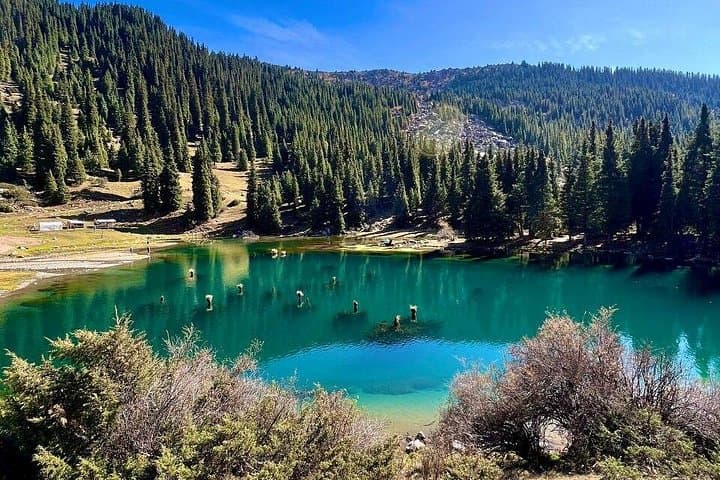
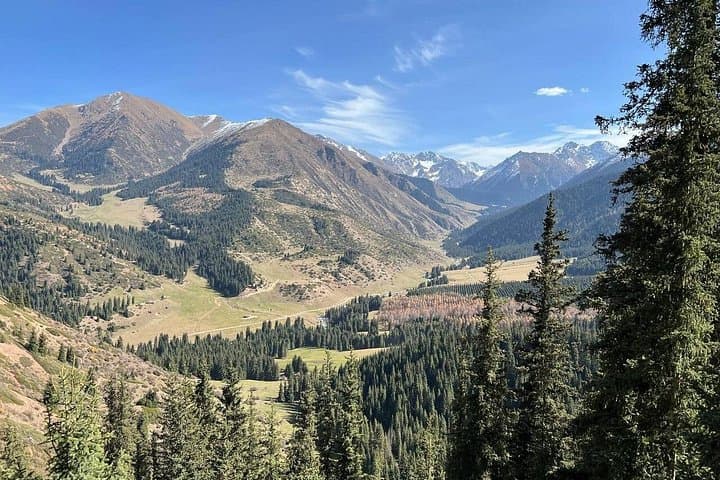
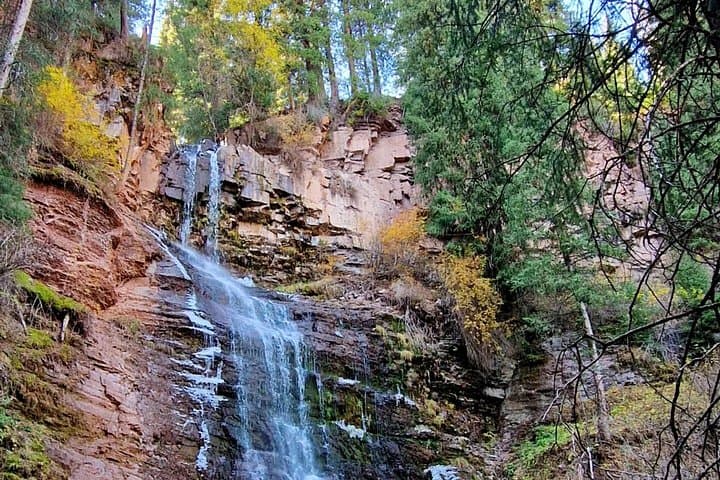
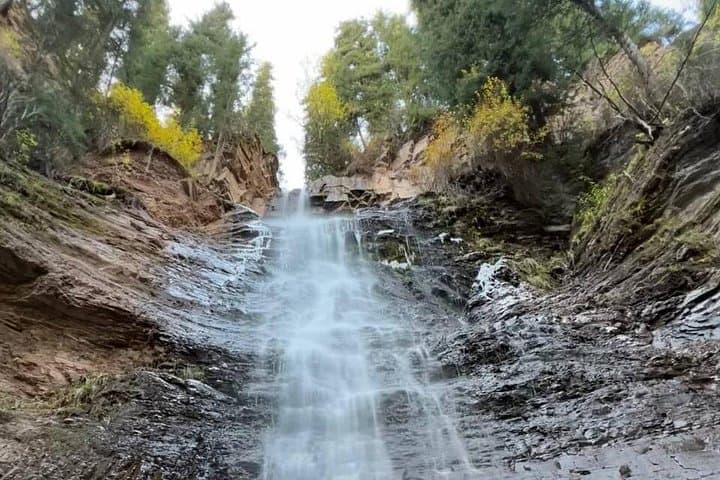
Morning light slices the Terskey‑Ala‑Too; a minivan hums along the Boom Gorge and the air tastes of cold river and pine. Over three days the tour moves like a concise geography lesson — from the red cliffs of Jeti‑Oguz to the spruce‑hung falls of Barskoon, the wind shaping gullies and sandstone sculptures at Skazka, and long walks along Issyk‑Kul’s wild beaches.
Morning light slices the Terskey‑Ala‑Too; a minivan hums along the Boom Gorge and the air tastes of cold river and pine. Over three days the tour moves like a concise geography lesson — from the red cliffs of Jeti‑Oguz to the spruce‑hung falls of Barskoon, the wind shaping gullies and sandstone sculptures at Skazka, and long walks along Issyk‑Kul’s wild beaches.
Geology here is visible in strata: sandstone canyons carved by rain and frozen runoff, glacially scored ridges and alluvial fans at valley mouths. The route touches cultural markers too — nomadic jailoos (summer pastures), Przhevalsky’s museum in Karakol and local eateries serving ashlan fu and koumiss. Nature behaves deliberately; waterfalls plunge with the authority of an alpine system and the lake holds winter warmth that refuses to freeze.
Expect easy, mostly moderate walking: short hikes (3–6 km) into gorges and plateaus, hotel nights in Karakol, picnic lunches and occasional yurt camps if offered. Trails range from packed dirt to loose scree; altitude hovers around 1,600–1,900 m with higher passes nearby, so mornings feel brisk.
Practical guidance: bring layered clothing for sharp temperature swings, sturdy boots for mixed terrain, sun protection at the lake and a small daypack for water and documents. Mobile signal is intermittent in deep gorges; carry cash in soms for teahouses and local sellers. With clear planning and moderate fitness, this three‑day loop delivers compact, varied highland scenery and easy access to Issyk‑Kul’s most dramatic gorges.