THE ADVENTURE COLLECTIVE® · Independent discovery and booking for outdoor travel

Cover Arusha National Park, Tarangire and the Ngorongoro Crater in three wildlife-packed days. Early drives, close encounters with elephants and a crater rim sunrise make this a compact, high-value safari loop.
Cover Arusha National Park, Tarangire and the Ngorongoro Crater in three wildlife-packed days. Early drives, close encounters with elephants and a crater rim sunrise make this a compact, high-value safari loop.
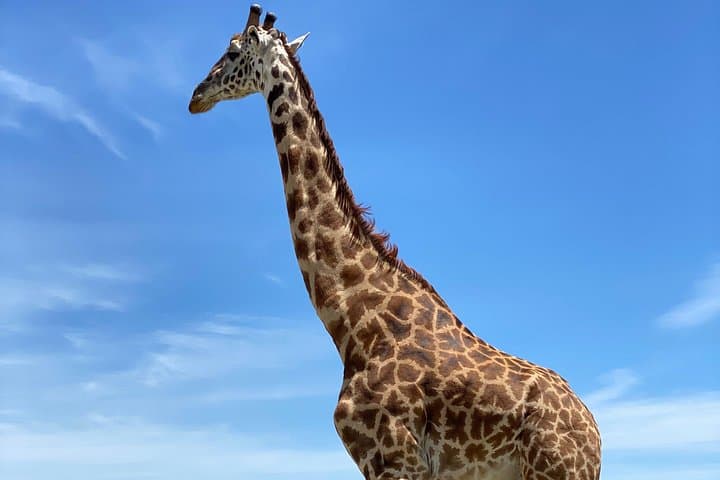
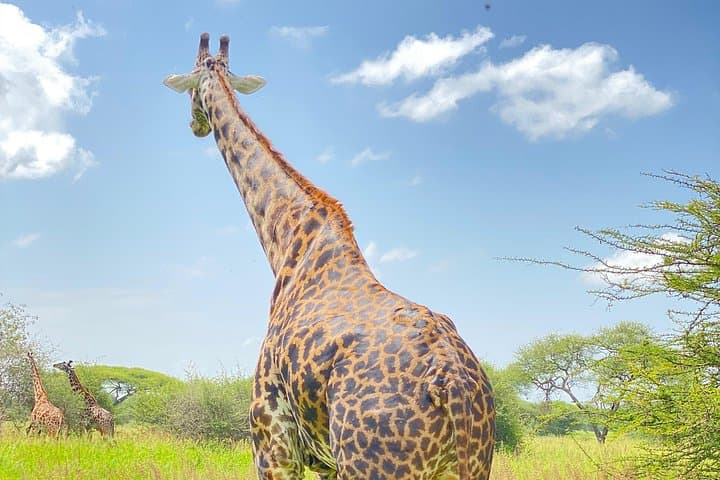
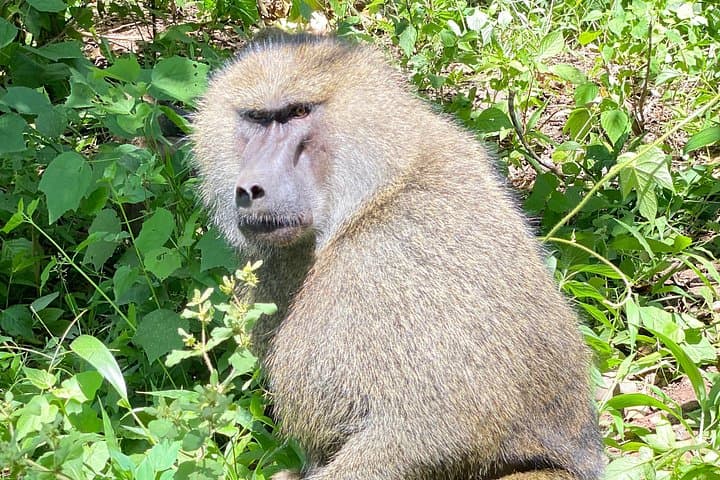
You arrive before dawn: wind lifting dust from the lodge driveway, headlights cutting across a silhouette of acacia and baobab. By first light your guide eases the vehicle onto a rutted track and the landscape answers — flamingos ring shallow lakes, elephants move like slow tides, and the crater rim looms like a green-walled arena.
Verified experiences and guided adventures in the surrounding area.
Operated by VISION SAFARI & TOURS · Arusha, Arusha Region
You arrive before dawn: wind lifting dust from the lodge driveway, headlights cutting across a silhouette of acacia and baobab. By first light your guide eases the vehicle onto a rutted track and the landscape answers — flamingos ring shallow lakes, elephants move like slow tides, and the crater rim looms like a green-walled arena.
The route stitches three distinct ecosystems. Arusha National Park (small, forested slopes and the alkaline Momella Lakes) offers intimate walking and canoe options alongside bird-rich lake edges. Tarangire spreads out as broad savannah punctuated by trademark baobabs and supports some of Tanzania’s largest elephant herds; the park covers roughly 2,850 km² and game drives follow seasonal water sources. Ngorongoro is geological drama: a volcanic caldera about 19 km across with a drop of roughly 610 m to the crater floor, concentrating plains game and the Big Five in compact, easily observed habitats. Nearby Olduvai Gorge anchors the human story — paleoanthropology and the Leakey discoveries shaped how we see the region.
Practical guide: expect early starts (sunrise game drives), bumpy dirt roads, and long but rewarding days — bring a charged camera, binoculars, sun protection, and layers for chilly mornings on the crater rim (~2,200–2,400 m elevation). Respect park rules: stay in vehicles where required, keep distance from animals, and carry drinking water for each outing. Lodging ranges from tented camps to lodges at each stop; park entry and conservation fees are handled during the tour. For first-time safari travelers, this three-day loop is efficient, wildlife-dense, and offers a compact survey of northern Tanzania’s landscapes and living history.
Consult your physician—yellow fever may be required depending on origin; malaria prophylaxis is commonly recommended for northern Tanzania.
This tour includes park entry fees and conservation levies as per the itinerary; confirm specifics at booking and carry local currency for incidental purchases.
Expect sunrise departures (roughly 5:30–6:00 AM) and morning drives of 3–5 hours; afternoons typically include a 2–4 hour drive or transfer depending on the day.
The itinerary notes suitability for all fitness levels, but there are bumpy roads and short walks; confirm requirements and vehicle access for those with limited mobility or young children.
VISION SAFARI & TOURS operates guided outdoor trips and adventures with an emphasis on safety, stewardship, and memorable experiences.

You arrive before dawn: wind lifting dust from the lodge driveway, headlights cutting across a silhouette of acacia and baobab. By first light your guide eases the vehicle onto a rutted track and the landscape answers — flamingos ring shallow lakes, elephants move like slow tides, and the crater rim looms like a green-walled arena.
You arrive before dawn: wind lifting dust from the lodge driveway, headlights cutting across a silhouette of acacia and baobab. By first light your guide eases the vehicle onto a rutted track and the landscape answers — flamingos ring shallow lakes, elephants move like slow tides, and the crater rim looms like a green-walled arena.
The route stitches three distinct ecosystems. Arusha National Park (small, forested slopes and the alkaline Momella Lakes) offers intimate walking and canoe options alongside bird-rich lake edges. Tarangire spreads out as broad savannah punctuated by trademark baobabs and supports some of Tanzania’s largest elephant herds; the park covers roughly 2,850 km² and game drives follow seasonal water sources. Ngorongoro is geological drama: a volcanic caldera about 19 km across with a drop of roughly 610 m to the crater floor, concentrating plains game and the Big Five in compact, easily observed habitats. Nearby Olduvai Gorge anchors the human story — paleoanthropology and the Leakey discoveries shaped how we see the region.
Practical guide: expect early starts (sunrise game drives), bumpy dirt roads, and long but rewarding days — bring a charged camera, binoculars, sun protection, and layers for chilly mornings on the crater rim (~2,200–2,400 m elevation). Respect park rules: stay in vehicles where required, keep distance from animals, and carry drinking water for each outing. Lodging ranges from tented camps to lodges at each stop; park entry and conservation fees are handled during the tour. For first-time safari travelers, this three-day loop is efficient, wildlife-dense, and offers a compact survey of northern Tanzania’s landscapes and living history.