THE ADVENTURE COLLECTIVE® · Independent discovery and booking for outdoor travel

Trace Art Deco in Asmara, cross from highlands to the Red Sea, and stand on the ridgelines of Keren’s WWII battlefields. This three-day loop blends architecture, coastal culture, and wartime history with manageable drives and hotel nights.
Trace Art Deco in Asmara, cross from highlands to the Red Sea, and stand on the ridgelines of Keren’s WWII battlefields. This three-day loop blends architecture, coastal culture, and wartime history with manageable drives and hotel nights.
You arrive in Asmara at dawn and the city greets you in clean angles: flat roofs, geometric facades, and broad boulevards that still wear their 1930s Italian tailoring. The guide draws lines between buildings — cinema, bank, and coffeehouse — each an Art Deco chapter that explains why UNESCO put the town on the map.
Verified experiences and guided adventures in the surrounding area.
Operated by Adulis Travel · Asmara, Maekel
You arrive in Asmara at dawn and the city greets you in clean angles: flat roofs, geometric facades, and broad boulevards that still wear their 1930s Italian tailoring. The guide draws lines between buildings — cinema, bank, and coffeehouse — each an Art Deco chapter that explains why UNESCO put the town on the map.
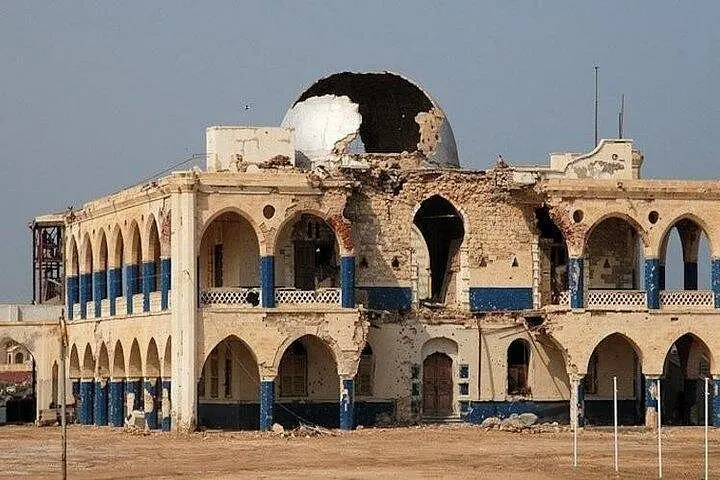
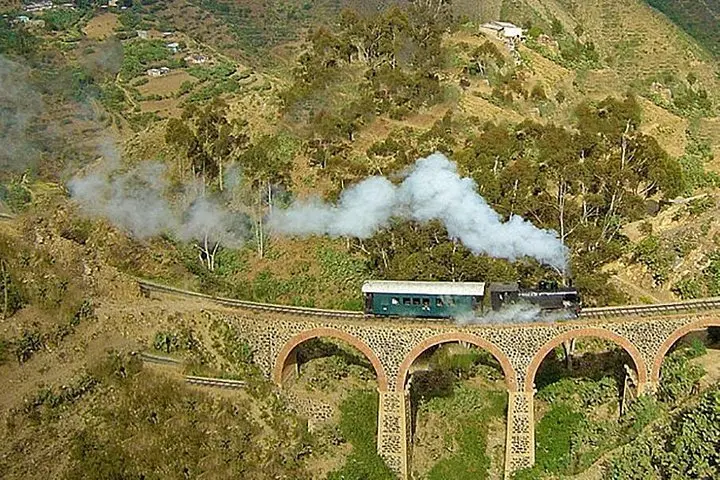
By afternoon the road slides down from roughly 2,400 m to sea level, and the landscape stages three climates: crisp highland air, a mild valley, then the hot, briny heat of Massawa. On the coast, coralline houses and Ottoman-era masonry lean toward the port; the Red Sea’s currents push turquoise water through tidal channels and dare you to imagine the Dahlak Archipelago offshore.
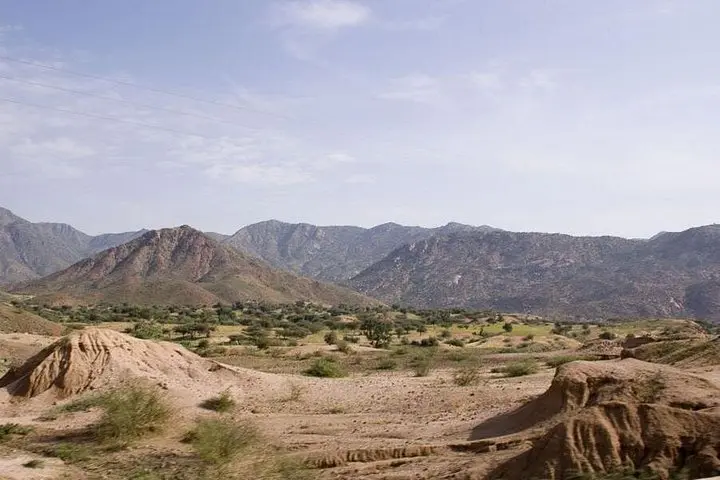
Keren’s red earth and steep ridges tell a different story. Here the ground is marked by trenches and memorials to the 1941 fighting that shifted control in the region — physical history under a wide, wind-cut sky.
Practical guidance: plan light layers for big temperature swings and reserve time for the long drives between points. Bring cash in small notes; card acceptance is limited outside Asmara. Expect easy walking on mostly paved streets in Asmara, sandy alleys at Massawa, and uneven trails at Keren’s memorial sites. You’ll change altitude, climate, and pace each day, so hydrate, protect skin from sun and salt air, and carry a permit if you plan independent travel outside the capital. Accommodations are hotel-based each night, making this a culturally rich, logistically straightforward three-day circuit.
Yes — travel outside Asmara typically requires a permit, which your tour operator (Adulis travel agent) will arrange or advise on.
Tigrinya and Arabic are widely used; English and Italian may be spoken by guides and in tourist-facing hotels.
Expect drives of roughly 2–3 hours between Keren and Asmara, and about 3 hours descending from Asmara to Massawa due to altitude change and road curves.
The tour is rated easy, but some sites include stairs, uneven ground, and long vehicle transfers; discuss special requirements with the operator beforehand.
Adulis Travel operates guided outdoor trips and adventures with an emphasis on safety, stewardship, and memorable experiences.

You arrive in Asmara at dawn and the city greets you in clean angles: flat roofs, geometric facades, and broad boulevards that still wear their 1930s Italian tailoring. The guide draws lines between buildings — cinema, bank, and coffeehouse — each an Art Deco chapter that explains why UNESCO put the town on the map.
You arrive in Asmara at dawn and the city greets you in clean angles: flat roofs, geometric facades, and broad boulevards that still wear their 1930s Italian tailoring. The guide draws lines between buildings — cinema, bank, and coffeehouse — each an Art Deco chapter that explains why UNESCO put the town on the map.
By afternoon the road slides down from roughly 2,400 m to sea level, and the landscape stages three climates: crisp highland air, a mild valley, then the hot, briny heat of Massawa. On the coast, coralline houses and Ottoman-era masonry lean toward the port; the Red Sea’s currents push turquoise water through tidal channels and dare you to imagine the Dahlak Archipelago offshore.
Keren’s red earth and steep ridges tell a different story. Here the ground is marked by trenches and memorials to the 1941 fighting that shifted control in the region — physical history under a wide, wind-cut sky.
Practical guidance: plan light layers for big temperature swings and reserve time for the long drives between points. Bring cash in small notes; card acceptance is limited outside Asmara. Expect easy walking on mostly paved streets in Asmara, sandy alleys at Massawa, and uneven trails at Keren’s memorial sites. You’ll change altitude, climate, and pace each day, so hydrate, protect skin from sun and salt air, and carry a permit if you plan independent travel outside the capital. Accommodations are hotel-based each night, making this a culturally rich, logistically straightforward three-day circuit.