THE ADVENTURE COLLECTIVE® · Independent discovery and booking for outdoor travel

A compact, three-day overland route linking Aswan, Abu Simbel and Luxor — perfect for travelers who want concentrated pharaonic history, a visit to a Nubian village and sunrise at Abu Simbel. Early starts, moderate walking and river crossings shape this classic Egyptian circuit.
A compact, three-day overland route linking Aswan, Abu Simbel and Luxor — perfect for travelers who want concentrated pharaonic history, a visit to a Nubian village and sunrise at Abu Simbel. Early starts, moderate walking and river crossings shape this classic Egyptian circuit.
You step off the minivan as the Nile lays out a ribbon of light, the river pushing a cool breath across Aswan’s waterfront. Morning in Aswan means motorboats slicing the water to small islands, and later, a dawn convoy through arid plains toward the colossal faces of Abu Simbel — temples that stare back at the sunrise like a made thing resisting the desert.
Verified experiences and guided adventures in the surrounding area.
Operated by Luxortourguide · Aswan, Aswan Governorate
You step off the minivan as the Nile lays out a ribbon of light, the river pushing a cool breath across Aswan’s waterfront. Morning in Aswan means motorboats slicing the water to small islands, and later, a dawn convoy through arid plains toward the colossal faces of Abu Simbel — temples that stare back at the sunrise like a made thing resisting the desert.
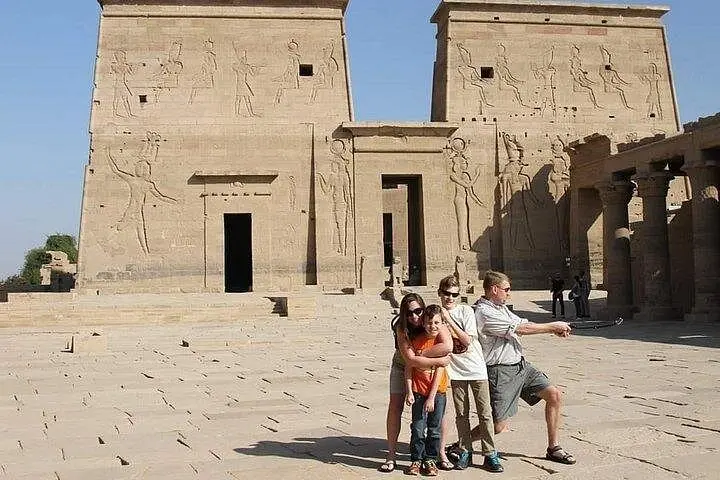
This three-day overland circuit threads Egypt’s ancient capitals: Philae’s island sanctuaries moved stone-by-stone to escape the High Dam’s rising waters; Ramses II’s relocated Abu Simbel towering over Lake Nasser; and Luxor’s east and west bank complexes where pharaohs were laid to rest. Geologically, the Nile corridor is a narrow green fault in a broader sandstone and granite desert; the river has dictated settlement, agriculture and the very placement of temples for millennia.
Culturally, expect warm, forthright guides who narrate royal rivalries and funerary rites—and a chance to meet Nubian residents in brightly painted villages who sell woven crafts and spice mixtures. Small details matter here: the carved reliefs inside tombs, the way sunlight hits a colossus at first light, and the hush that falls inside a mortuary temple.
Practical guidance: travel light for transfers, carry a refillable water bottle, cover shoulders and knees in sacred sites, and plan early starts (Abu Simbel is best at dawn). Allow time for security checks and short walks on uneven, sandy surfaces. With moderate fitness and sensible gear — sun protection, sturdy shoes and a scarf — this route delivers concentrated history and the quiet force of the Nile.
The tour includes service charges and some transport but many site entrance fees and optional tomb entries (for example Tutankhamun’s tomb) are paid locally — bring cash for extras.
Abu Simbel departures are pre-dawn (around 04:00–05:00) to reach the site at sunrise; be prepared for a 2–3 hour drive each way from Aswan plus time at the temples.
Guides explain the tombs from the visitor center and outside; entry rules mean guides usually cannot enter with you, though they will brief you on what to look for beforehand.
The itinerary uses air-conditioned vehicles and a first-class train segment from Aswan to Luxor; expect basic comfort and short stops along the way.
Luxortourguide operates guided outdoor trips and adventures with an emphasis on safety, stewardship, and memorable experiences.
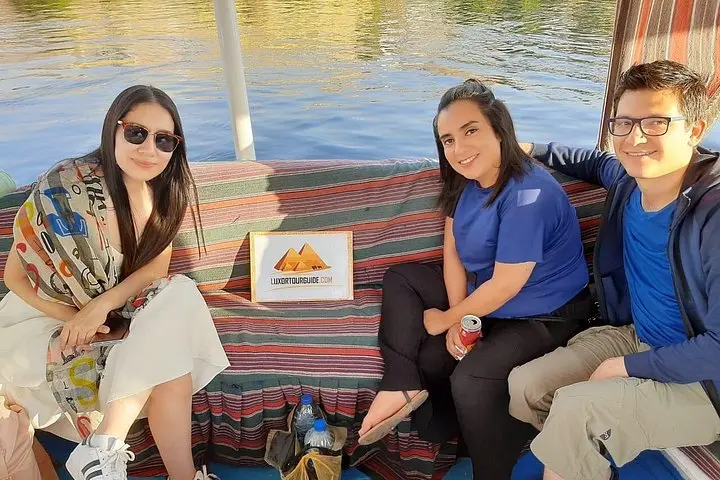

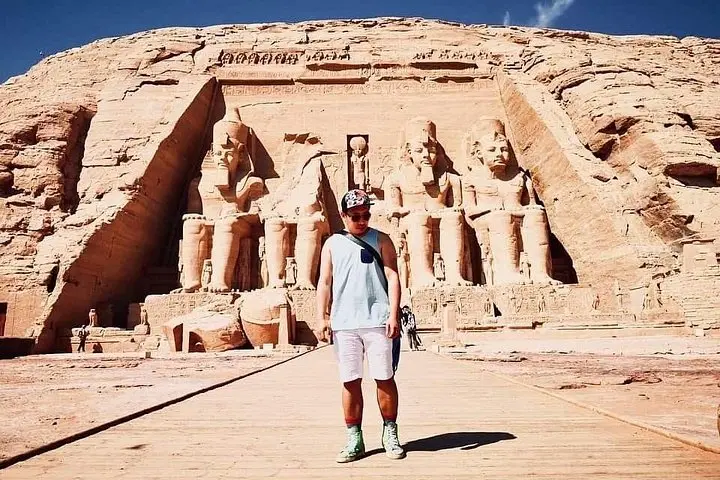
You step off the minivan as the Nile lays out a ribbon of light, the river pushing a cool breath across Aswan’s waterfront. Morning in Aswan means motorboats slicing the water to small islands, and later, a dawn convoy through arid plains toward the colossal faces of Abu Simbel — temples that stare back at the sunrise like a made thing resisting the desert.
You step off the minivan as the Nile lays out a ribbon of light, the river pushing a cool breath across Aswan’s waterfront. Morning in Aswan means motorboats slicing the water to small islands, and later, a dawn convoy through arid plains toward the colossal faces of Abu Simbel — temples that stare back at the sunrise like a made thing resisting the desert.
This three-day overland circuit threads Egypt’s ancient capitals: Philae’s island sanctuaries moved stone-by-stone to escape the High Dam’s rising waters; Ramses II’s relocated Abu Simbel towering over Lake Nasser; and Luxor’s east and west bank complexes where pharaohs were laid to rest. Geologically, the Nile corridor is a narrow green fault in a broader sandstone and granite desert; the river has dictated settlement, agriculture and the very placement of temples for millennia.
Culturally, expect warm, forthright guides who narrate royal rivalries and funerary rites—and a chance to meet Nubian residents in brightly painted villages who sell woven crafts and spice mixtures. Small details matter here: the carved reliefs inside tombs, the way sunlight hits a colossus at first light, and the hush that falls inside a mortuary temple.
Practical guidance: travel light for transfers, carry a refillable water bottle, cover shoulders and knees in sacred sites, and plan early starts (Abu Simbel is best at dawn). Allow time for security checks and short walks on uneven, sandy surfaces. With moderate fitness and sensible gear — sun protection, sturdy shoes and a scarf — this route delivers concentrated history and the quiet force of the Nile.