THE ADVENTURE COLLECTIVE® · Independent discovery and booking for outdoor travel

Three days tracing the Nile from Aswan to Luxor: motorboats to Philae, a felucca to a Nubian village, sunrise at Abu Simbel, and a first-class train into Luxor. Practical, historically rich, and paced for travelers who want deep context without heavy logistics.
Three days tracing the Nile from Aswan to Luxor: motorboats to Philae, a felucca to a Nubian village, sunrise at Abu Simbel, and a first-class train into Luxor. Practical, historically rich, and paced for travelers who want deep context without heavy logistics.
You arrive in Aswan as the Nile loosens its pace, sunlight sliding off mud-brick façades and feluccas nudging the river's shoulder. The first morning, a motorboat cuts through glassy water toward Philae; temple pylons rise like carved instructions from another age. Later, a short felucca crossing delivers you to a Nubian village where painted houses, bright textiles, and the Nile's rhythm feel decisive and immediate.
Verified experiences and guided adventures in the surrounding area.
Operated by Egypt Best Holidays · Aswan, Aswan Governorate
You arrive in Aswan as the Nile loosens its pace, sunlight sliding off mud-brick façades and feluccas nudging the river's shoulder. The first morning, a motorboat cuts through glassy water toward Philae; temple pylons rise like carved instructions from another age. Later, a short felucca crossing delivers you to a Nubian village where painted houses, bright textiles, and the Nile's rhythm feel decisive and immediate.
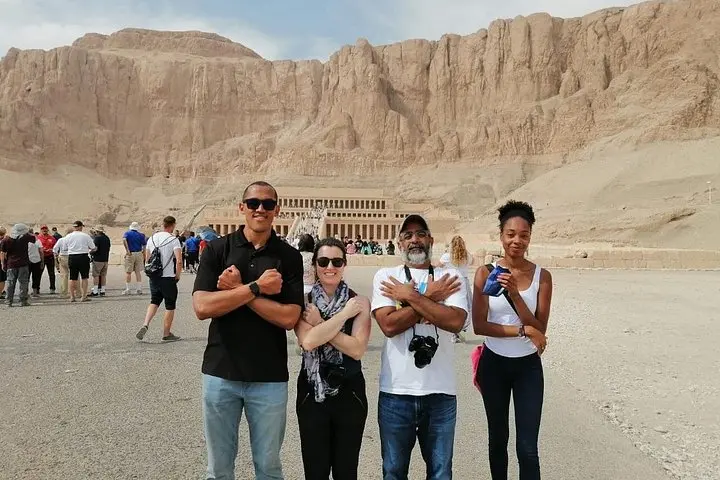
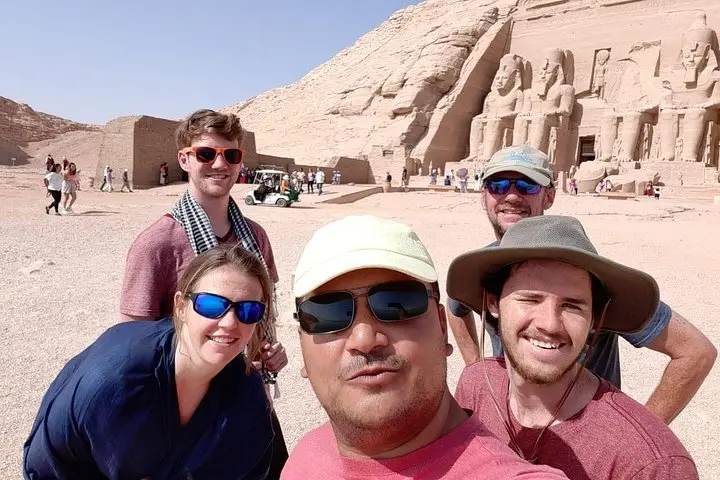
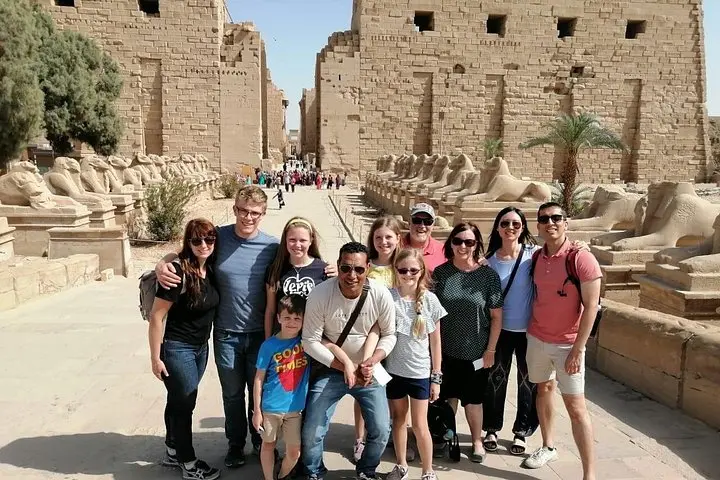
This three-day route threads Egypt's living history: Philae and the High Dam speak to modern engineering and religious continuity; Abu Simbel, relocated stone by stone in the 1960s, looms as an example of 20th-century archaeological rescue. Luxor's east and west banks condense millennia—Karnak's hypostyle hall, the funerary avenues of the Valley of the Kings, and Hatshepsut’s mortuary temple each reveal different burial, building, and political practices of the New Kingdom.
Expect long but manageable days, transfers by AC vehicle, and an A/C first-class train leg from Aswan to Luxor. Practicalities matter: carry a daypack with water, sun protection, and a photocopy of your passport; many sites require card payments for tickets. Footing ranges from paved temple courtyards to sandy paths; comfortable walking shoes are essential. Early starts avoid peak temperatures and crowds—Abu Simbel is best at dawn. Respect local customs in Nubian villages, ask before photographing people, and allot time to absorb quieter moments on the Nile. This itinerary balances guided interpretation with independent travel logistics, offering intense cultural immersion without the strain of heavy trekking.
Entrance fees are typically paid locally and may require credit card payment at ticket offices; confirm which entries are covered by your booking.
Pickups start from Aswan hotels, train station or airport—send your hotel or arrival details to the operator to confirm exact pickup time.
The trip uses A/C first-class seated train service from Aswan to Luxor, offering reserved seating and a quieter ride than standard service.
Many sites have uneven ground and steps but the operator lists wheelchair accessibility for portions; contact them in advance to discuss specific needs and transfers.
Egypt Best Holidays operates guided outdoor trips and adventures with an emphasis on safety, stewardship, and memorable experiences.
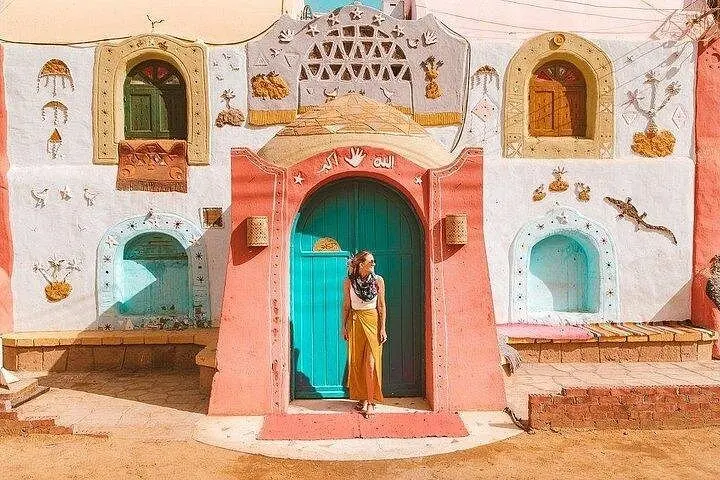
You arrive in Aswan as the Nile loosens its pace, sunlight sliding off mud-brick façades and feluccas nudging the river's shoulder. The first morning, a motorboat cuts through glassy water toward Philae; temple pylons rise like carved instructions from another age. Later, a short felucca crossing delivers you to a Nubian village where painted houses, bright textiles, and the Nile's rhythm feel decisive and immediate.
You arrive in Aswan as the Nile loosens its pace, sunlight sliding off mud-brick façades and feluccas nudging the river's shoulder. The first morning, a motorboat cuts through glassy water toward Philae; temple pylons rise like carved instructions from another age. Later, a short felucca crossing delivers you to a Nubian village where painted houses, bright textiles, and the Nile's rhythm feel decisive and immediate.
This three-day route threads Egypt's living history: Philae and the High Dam speak to modern engineering and religious continuity; Abu Simbel, relocated stone by stone in the 1960s, looms as an example of 20th-century archaeological rescue. Luxor's east and west banks condense millennia—Karnak's hypostyle hall, the funerary avenues of the Valley of the Kings, and Hatshepsut’s mortuary temple each reveal different burial, building, and political practices of the New Kingdom.
Expect long but manageable days, transfers by AC vehicle, and an A/C first-class train leg from Aswan to Luxor. Practicalities matter: carry a daypack with water, sun protection, and a photocopy of your passport; many sites require card payments for tickets. Footing ranges from paved temple courtyards to sandy paths; comfortable walking shoes are essential. Early starts avoid peak temperatures and crowds—Abu Simbel is best at dawn. Respect local customs in Nubian villages, ask before photographing people, and allot time to absorb quieter moments on the Nile. This itinerary balances guided interpretation with independent travel logistics, offering intense cultural immersion without the strain of heavy trekking.