THE ADVENTURE COLLECTIVE® · Independent discovery and booking for outdoor travel

Escape Marrakech for three days of walking through Imlil and Azzaden valleys, staying in family-run guesthouses and passing terraces, waterfalls and Toubkal views. Expect 4–6 hours of hiking per day and immersive cultural exchanges with Berber communities.
Escape Marrakech for three days of walking through Imlil and Azzaden valleys, staying in family-run guesthouses and passing terraces, waterfalls and Toubkal views. Expect 4–6 hours of hiking per day and immersive cultural exchanges with Berber communities.
Daybreak in the High Atlas feels immediate: thin air, a line of terraces catching light, and the mule bells that thread through Imlil's lanes. On this three-day trek you move from Marrakech’s bustle into a landscape of walnut orchards, juniper-scented ridgelines and shepherd paths that climb toward Tizi passes and broad views of Toubkal’s snow-capped profile.
Verified experiences and guided adventures in the surrounding area.
Operated by Things to do in Marrakech · Imlil, Marrakech-Safi
Daybreak in the High Atlas feels immediate: thin air, a line of terraces catching light, and the mule bells that thread through Imlil's lanes. On this three-day trek you move from Marrakech’s bustle into a landscape of walnut orchards, juniper-scented ridgelines and shepherd paths that climb toward Tizi passes and broad views of Toubkal’s snow-capped profile.
Geology here is blunt and ancient — granite spines carved by millennia of freeze-thaw and the Atlas’s uplift. Cultural layers are comparably visible: stone-built Berber villages, irrigated terraced fields, and small family-run guesthouses where tagines and mint tea are central to daily life. Guide- and mule-supported travel preserves access to higher ridgelines while keeping loads light.
Expect varied terrain: village tracks, rocky footpaths, pine-strewn slopes and short steep pitches to passes such as Tizi Mazzik (≈2,480m) and Tizi Oudid (≈2,010m). Wildlife is discreet — watch for choughs wheeling on thermals and the occasional Barbary fox at dusk. Local hammams, argan cooperatives and waterfalls punctuate the route; joining a family meal or trying a steam bath are simple cultural exchanges.
Practical edge: hike 4–6 hours most days with 300–800m of accumulated ascent; sturdy boots and layered clothing handle sharp temperature swings. Hydrate and acclimatize — altitude is moderate but immediate exertion can surprise. Carry cash for small purchases and a daylight headlamp for evening guesthouse routines. With a local guide and muleteer, this trek balances cultural immersion, sustained walking and the steady reward of mountain views.
You should have a moderate level of fitness—able to hike 4–6 hours over uneven terrain while carrying a daypack; mule support reduces load carrying.
Two nights are in family-run guesthouses in mountain villages with shared rooms and home-cooked meals; basic but comfortable.
A local guide and muleteer are included; guides navigate trails, arrange meals and connect you with villages.
Night temperatures can fall to near freezing at 2,000m in spring and fall and below freezing in winter — bring warm layers and a good sleeping bag if needed.
Things to do in Marrakech operates guided outdoor trips and adventures with an emphasis on safety, stewardship, and memorable experiences.
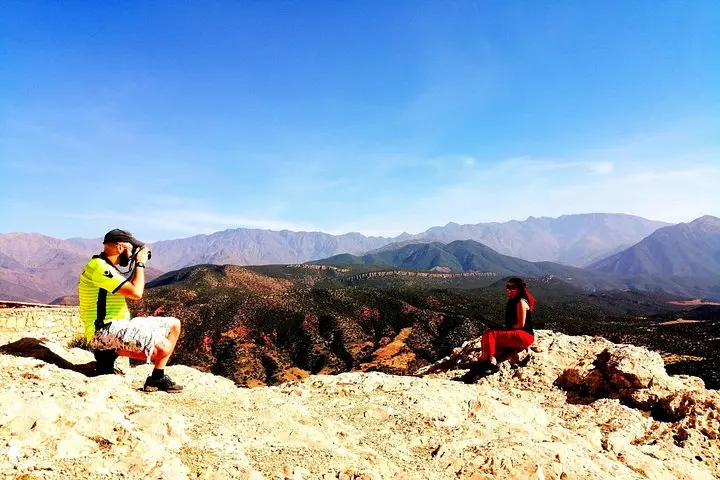
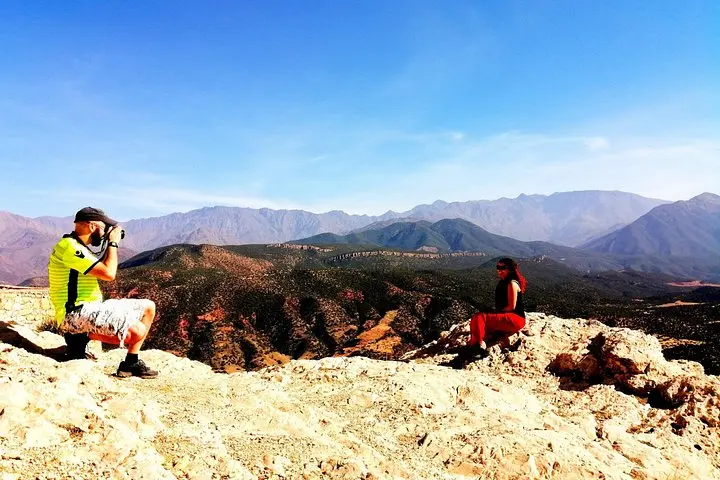
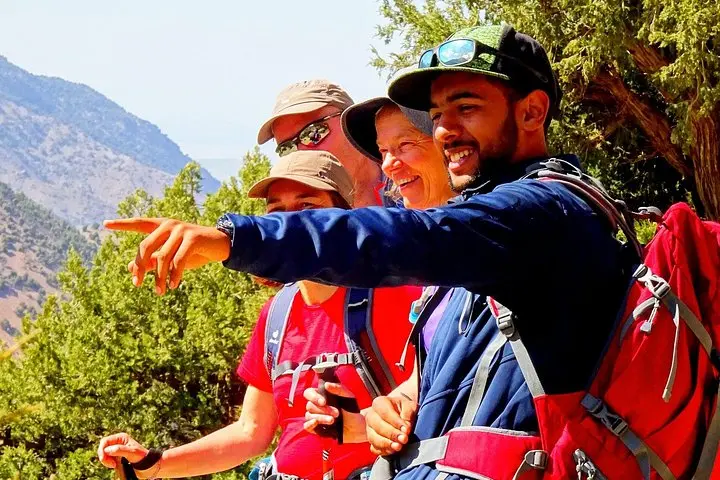
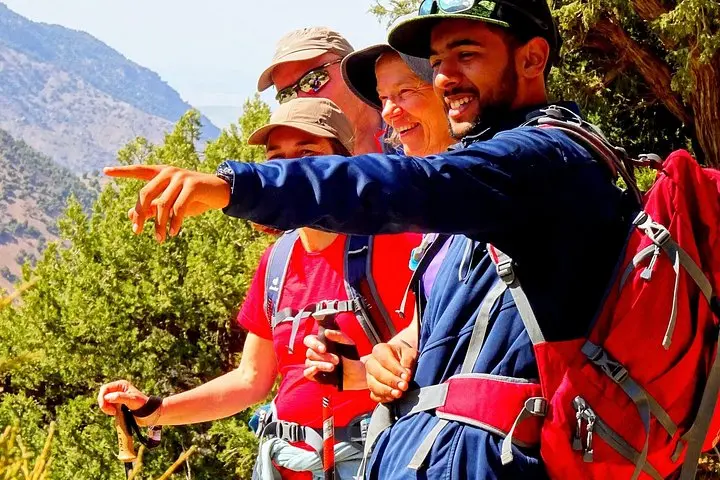
Daybreak in the High Atlas feels immediate: thin air, a line of terraces catching light, and the mule bells that thread through Imlil's lanes. On this three-day trek you move from Marrakech’s bustle into a landscape of walnut orchards, juniper-scented ridgelines and shepherd paths that climb toward Tizi passes and broad views of Toubkal’s snow-capped profile.
Daybreak in the High Atlas feels immediate: thin air, a line of terraces catching light, and the mule bells that thread through Imlil's lanes. On this three-day trek you move from Marrakech’s bustle into a landscape of walnut orchards, juniper-scented ridgelines and shepherd paths that climb toward Tizi passes and broad views of Toubkal’s snow-capped profile.
Geology here is blunt and ancient — granite spines carved by millennia of freeze-thaw and the Atlas’s uplift. Cultural layers are comparably visible: stone-built Berber villages, irrigated terraced fields, and small family-run guesthouses where tagines and mint tea are central to daily life. Guide- and mule-supported travel preserves access to higher ridgelines while keeping loads light.
Expect varied terrain: village tracks, rocky footpaths, pine-strewn slopes and short steep pitches to passes such as Tizi Mazzik (≈2,480m) and Tizi Oudid (≈2,010m). Wildlife is discreet — watch for choughs wheeling on thermals and the occasional Barbary fox at dusk. Local hammams, argan cooperatives and waterfalls punctuate the route; joining a family meal or trying a steam bath are simple cultural exchanges.
Practical edge: hike 4–6 hours most days with 300–800m of accumulated ascent; sturdy boots and layered clothing handle sharp temperature swings. Hydrate and acclimatize — altitude is moderate but immediate exertion can surprise. Carry cash for small purchases and a daylight headlamp for evening guesthouse routines. With a local guide and muleteer, this trek balances cultural immersion, sustained walking and the steady reward of mountain views.