THE ADVENTURE COLLECTIVE® · Independent discovery and booking for outdoor travel

A three-day trek from Marrakech into the High Atlas follows mule tracks and mountain passes between Imlil and remote Berber villages. Expect full days of hiking, simple village lodgings, and views across terraced slopes and waterfalls.
A three-day trek from Marrakech into the High Atlas follows mule tracks and mountain passes between Imlil and remote Berber villages. Expect full days of hiking, simple village lodgings, and views across terraced slopes and waterfalls.
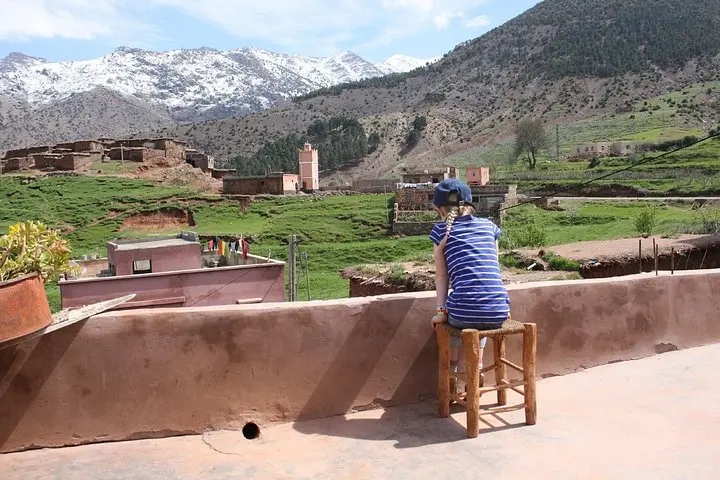
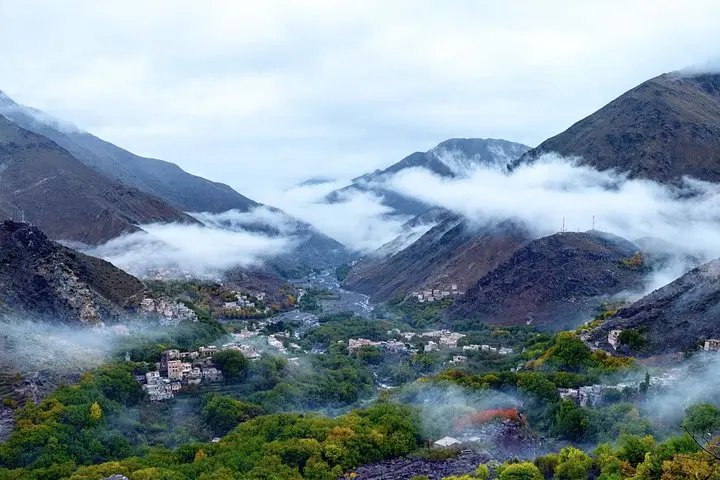
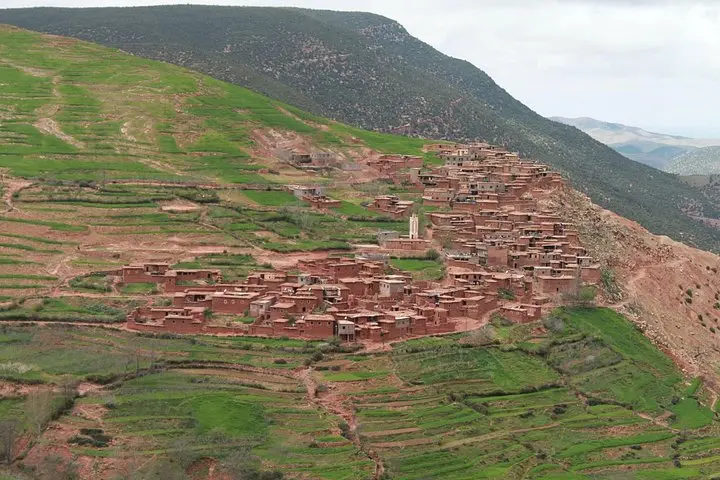
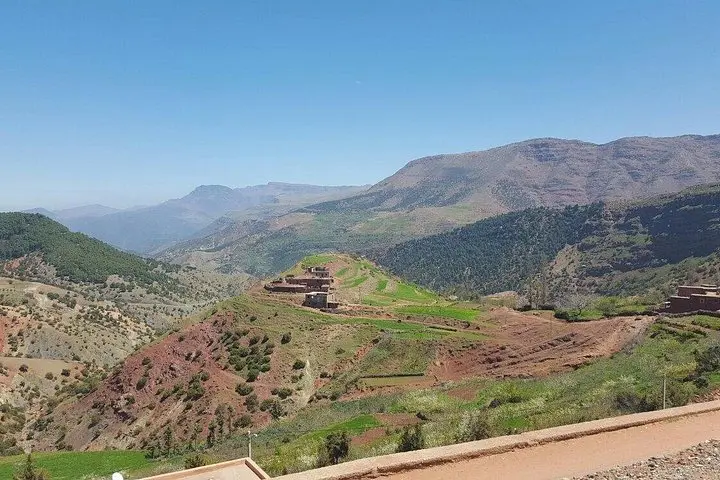
Morning light strips the ochre of Marrakech away and the road climbs into cedar-scented air; by the time you reach Imlil the city’s dust has been replaced by mule bells and a wide mountain sky. Over three days this trek moves through three neighboring valleys — Imlil, Imnane and Azzaden — following stone mule tracks, climbing to high passes and dropping into villages where terraced fields and grazing flocks shape the slopes.
Verified experiences and guided adventures in the surrounding area.
Operated by Atlas Mountains View · Imlil, Marrakech-Safi
Morning light strips the ochre of Marrakech away and the road climbs into cedar-scented air; by the time you reach Imlil the city’s dust has been replaced by mule bells and a wide mountain sky. Over three days this trek moves through three neighboring valleys — Imlil, Imnane and Azzaden — following stone mule tracks, climbing to high passes and dropping into villages where terraced fields and grazing flocks shape the slopes.
The High Atlas is young, tectonically raised rock — granite cores and schist ridges smoothed by glaciers and seasonal runoff. The villages you pass are Amazigh (Berber) farming communities with a history of transhumance and dryland agriculture; many guesthouses (gîtes) still center around shared meals and steam-baths (hamams).
Expect full days of walking: morning climbs to passes around 2,200–2,500 m, lateral traverses at 2,000–3,400 m in higher side valleys, and descents back to valley guesthouses. Terrain alternates packed earth, loose scree and paved mule paths; the route includes waterfall viewpoints and the Mzik pass panoramas.
Practically: pack layered clothing for cold mornings and hot afternoons, sturdy boots, sun protection, and 2–3 liters of water per day. The trip includes hotel transfers, local guide, three-day meals, lodgings in Berber guesthouses and mule support for luggage, but be prepared for basic accommodations and limited phone coverage. Spring and autumn deliver the best hiking weather; winter may bring snow on the higher passes. Travel with respect for local customs, support village economies, and keep to established trails to protect fragile high-altitude soils.
Each day involves 4–6 hours of walking over varied terrain with daily elevation changes; it’s rated moderate but requires steady fitness.
Overnights are in Berber guesthouses (gîtes) offering simple, clean rooms and shared facilities; a hamam may be available in some villages.
Yes — the trip includes a mule to carry luggage so you only need a daypack for essentials during hikes.
The itinerary includes a local guide; no special permits are typically required for these village routes within Toubkal National Park, though conditions can vary seasonally.
Atlas Mountains View operates guided outdoor trips and adventures with an emphasis on safety, stewardship, and memorable experiences.
Morning light strips the ochre of Marrakech away and the road climbs into cedar-scented air; by the time you reach Imlil the city’s dust has been replaced by mule bells and a wide mountain sky. Over three days this trek moves through three neighboring valleys — Imlil, Imnane and Azzaden — following stone mule tracks, climbing to high passes and dropping into villages where terraced fields and grazing flocks shape the slopes.
Morning light strips the ochre of Marrakech away and the road climbs into cedar-scented air; by the time you reach Imlil the city’s dust has been replaced by mule bells and a wide mountain sky. Over three days this trek moves through three neighboring valleys — Imlil, Imnane and Azzaden — following stone mule tracks, climbing to high passes and dropping into villages where terraced fields and grazing flocks shape the slopes.
The High Atlas is young, tectonically raised rock — granite cores and schist ridges smoothed by glaciers and seasonal runoff. The villages you pass are Amazigh (Berber) farming communities with a history of transhumance and dryland agriculture; many guesthouses (gîtes) still center around shared meals and steam-baths (hamams).
Expect full days of walking: morning climbs to passes around 2,200–2,500 m, lateral traverses at 2,000–3,400 m in higher side valleys, and descents back to valley guesthouses. Terrain alternates packed earth, loose scree and paved mule paths; the route includes waterfall viewpoints and the Mzik pass panoramas.
Practically: pack layered clothing for cold mornings and hot afternoons, sturdy boots, sun protection, and 2–3 liters of water per day. The trip includes hotel transfers, local guide, three-day meals, lodgings in Berber guesthouses and mule support for luggage, but be prepared for basic accommodations and limited phone coverage. Spring and autumn deliver the best hiking weather; winter may bring snow on the higher passes. Travel with respect for local customs, support village economies, and keep to established trails to protect fragile high-altitude soils.