
3-Day Ausangate Circuit: Climb Rainbow Mountain and Summit Nevado Santa Catalina (5,500 m)
A three-day circuit that pairs the colored slopes of Vinicunca (Rainbow Mountain) with a technical summit of Nevado Santa Catalina at ~5,500 m. Expect high-altitude camps, glacier gear, and strong cultural ties to the Ausangate massif.
An Adventure In Cusco.
A three-day circuit that pairs the colored slopes of Vinicunca (Rainbow Mountain) with a technical summit of Nevado Santa Catalina at ~5,500 m. Expect high-altitude camps, glacier gear, and strong cultural ties to the Ausangate massif.
Read the full experience
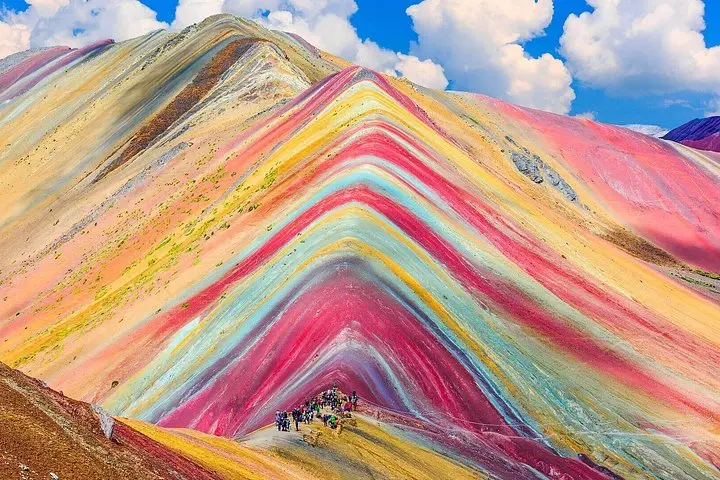
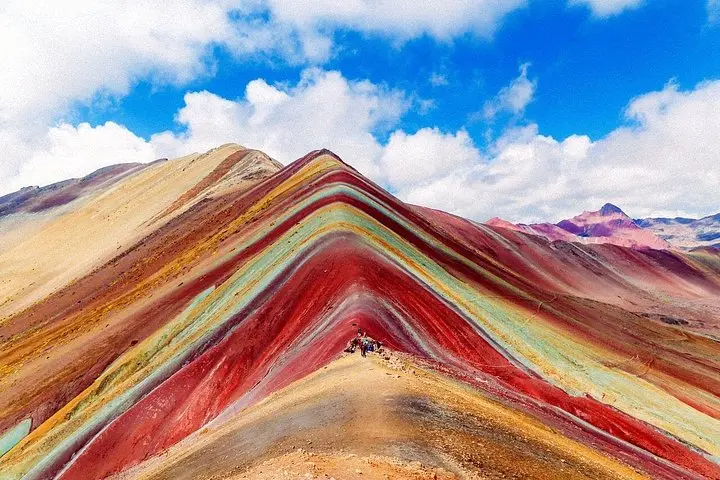
Cold air bites at dawn as a convoy leaves Cusco and the high plains unfold—ochre puna grass, distant glaciers, and a ribbon of switchbacks that leads to the polychrome flank of Vinicunca. Hikers and climbers trade the sheltered bustle of the city for a landscape that changes color and scale with every kilometer: striped sedimentary layers at 5,150 m give way to the austere, ice-polished ridges of Nevado Santa Catalina and the looming mass of Ausangate.
Cold air bites at dawn as a convoy leaves Cusco and the high plains unfold—ochre puna grass, distant glaciers, and a ribbon of switchbacks that leads to the polychrome flank of Vinicunca. Hikers and climbers trade the sheltered bustle of the city for a landscape that changes color and scale with every kilometer: striped sedimentary layers at 5,150 m give way to the austere, ice-polished ridges of Nevado Santa Catalina and the looming mass of Ausangate.
The route threads local Quechua communities and high-altitude puna shaped by glacial movement and mineral-rich soils; Ausangate is an Apu—an honored mountain in Andean cosmology—and elders still perform offerings before long treks. Geologically the colors of Vinicunca are exposed layers of iron, copper, and other minerals eroded over millennia. Culturally, the trek links pastoral lifeways (alpaca and llama grazing) with living ritual practices in villages like Pitumarca and Pacchanta.
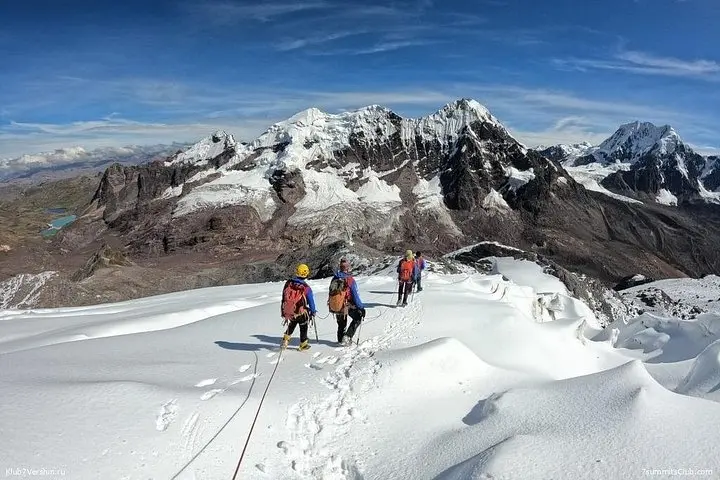
Expect long days above 4,000 m, a technical summit push using crampons and ice axes to reach Nevado Santa Catalina at about 5,500 m, and nights in high camps (4,700–4,900 m). Logistics include a mix of vehicle transfers, ATV approach to Vinicunca, mule support, and guided ropework on glaciated terrain.
Practical guidance: prioritize a 3–5 day acclimatization window in Cusco, layer for extreme diurnal swings, carry 2–3 liters of water and a compact first-aid kit, and reserve extra time for slow ascent on summit day. The experience rewards preparation—both physical and cultural—with raw, high-Andean scenery and the vaulted quiet of the cordillera.
Frequently asked questions
Yes — a basic comfort with crampons, ice axe, and exposure is strongly recommended; guided instruction is provided but physical familiarity speeds progress and increases safety.
The itinerary includes all meals on the expedition, tents and cooking equipment, basic climbing equipment provided by guides, entrance fees, and emergency logistics/first aid.
Acute mountain sickness can occur above 3,500 m; guides monitor symptoms, and a conservative pace plus acclimatization days reduce incidence—report symptoms early.
The drier months from April to October offer the most stable conditions for trekking and climbing in this region, though nights remain cold.
About This Experience
Peru Expeditions Tours operates guided outdoor trips and adventures with an emphasis on safety, stewardship, and memorable experiences.
Adventure tips
Recommended gear
- Mountaineering boots (B0/ B2): Stiff, insulated boots compatible with crampons required for glacier travel and summit pushes.
- Crampons and ice axe: Essential for traction and self-arrest on the moraine and glaciated slopes to 5,500 m.
- Warm down jacket: Lightweight but high-insulation layer for camp and summit bivouac when temperatures plunge.
- Hydration system + electrolytes: Insulated water bottle or bladder and electrolyte mix to prevent dehydration at altitude.
Photos of the experience
Related adventures & guides
Read the full experience
Cold air bites at dawn as a convoy leaves Cusco and the high plains unfold—ochre puna grass, distant glaciers, and a ribbon of switchbacks that leads to the polychrome flank of Vinicunca. Hikers and climbers trade the sheltered bustle of the city for a landscape that changes color and scale with every kilometer: striped sedimentary layers at 5,150 m give way to the austere, ice-polished ridges of Nevado Santa Catalina and the looming mass of Ausangate.
Cold air bites at dawn as a convoy leaves Cusco and the high plains unfold—ochre puna grass, distant glaciers, and a ribbon of switchbacks that leads to the polychrome flank of Vinicunca. Hikers and climbers trade the sheltered bustle of the city for a landscape that changes color and scale with every kilometer: striped sedimentary layers at 5,150 m give way to the austere, ice-polished ridges of Nevado Santa Catalina and the looming mass of Ausangate.
The route threads local Quechua communities and high-altitude puna shaped by glacial movement and mineral-rich soils; Ausangate is an Apu—an honored mountain in Andean cosmology—and elders still perform offerings before long treks. Geologically the colors of Vinicunca are exposed layers of iron, copper, and other minerals eroded over millennia. Culturally, the trek links pastoral lifeways (alpaca and llama grazing) with living ritual practices in villages like Pitumarca and Pacchanta.
Expect long days above 4,000 m, a technical summit push using crampons and ice axes to reach Nevado Santa Catalina at about 5,500 m, and nights in high camps (4,700–4,900 m). Logistics include a mix of vehicle transfers, ATV approach to Vinicunca, mule support, and guided ropework on glaciated terrain.
Practical guidance: prioritize a 3–5 day acclimatization window in Cusco, layer for extreme diurnal swings, carry 2–3 liters of water and a compact first-aid kit, and reserve extra time for slow ascent on summit day. The experience rewards preparation—both physical and cultural—with raw, high-Andean scenery and the vaulted quiet of the cordillera.
Make a day of it nearby.
Verified experiences and guided adventures in the surrounding area.