THE ADVENTURE COLLECTIVE® · Independent discovery and booking for outdoor travel

Explore Axum’s towering obelisks and Lalibela’s rock-cut churches in a brisk three-day loop from Addis Ababa. Expect highland walks, close-up archaeology, and active worship sites—plan for altitude, uneven stone, and guided access.
Explore Axum’s towering obelisks and Lalibela’s rock-cut churches in a brisk three-day loop from Addis Ababa. Expect highland walks, close-up archaeology, and active worship sites—plan for altitude, uneven stone, and guided access.
Dawn breaks over a highland town and the light slides down stepped stone, revealing the carved cruciform of Bete Giyorgis; elsewhere an obelisk punctures the pale sky where empires once announced themselves. This three-day excursion moves fast—flights link Addis Ababa with Axum and Lalibela, but most days are measured in walking and close inspection: the Stelae Park and coronation square in Axum, then the subterranean corridors and sunlit courtyards of Lalibela’s monolithic churches.
Verified experiences and guided adventures in the surrounding area.
Operated by Enter Ethiopia Tour Operator · Lalibela, Amhara
Dawn breaks over a highland town and the light slides down stepped stone, revealing the carved cruciform of Bete Giyorgis; elsewhere an obelisk punctures the pale sky where empires once announced themselves. This three-day excursion moves fast—flights link Addis Ababa with Axum and Lalibela, but most days are measured in walking and close inspection: the Stelae Park and coronation square in Axum, then the subterranean corridors and sunlit courtyards of Lalibela’s monolithic churches.
Axum’s granite stelae are reminders of an Aksumite civilization that traded across the Red Sea; Lalibela’s churches were hewn from volcanic tuff in the 12th–13th centuries, carved down and around to create complete structures. The geology matters: tuff is soft enough to sculpt yet durable at altitude—the churches sit around 2,400–2,500 m and Axum near 2,100 m—so expect cool, thin air and stone dust in wind. Culture is present at every site; churches remain active, and rituals and guards define access (the inner chapel that houses the Ark replica is restricted).
Practically: each day involves 2–6 km of walking on uneven flagstone, with modest elevation changes and stairs. Wear grippy shoes, carry water and small change for church candles and donations, and plan camera batteries—light changes rapidly inside carved chambers. Morning visits avoid crowds and bring sharper light for photographing reliefs and stelae. Respect dress codes, follow local guides, and factor in short domestic flights—this is an interpretive, on-foot encounter with Ethiopia’s highland history rather than a strenuous trek.
This excursion typically includes domestic flights between Addis, Axum and Lalibela and admission to listed sites—confirm the operator’s itinerary and what’s covered before booking.
No—only a specially appointed guardian monk may enter the inner chapel that houses the Ark replica; visitors view related artifacts and the chapel exterior under guidance.
Plan on 2–6 km of walking per day across uneven stone and stairs; portions are short but require steady footing and moderate energy due to altitude.
Yes for many, but because of stairs, altitude, and active religious settings, check mobility limits and consult the operator about assistance and flight logistics.
Enter Ethiopia Tour Operator operates guided outdoor trips and adventures with an emphasis on safety, stewardship, and memorable experiences.
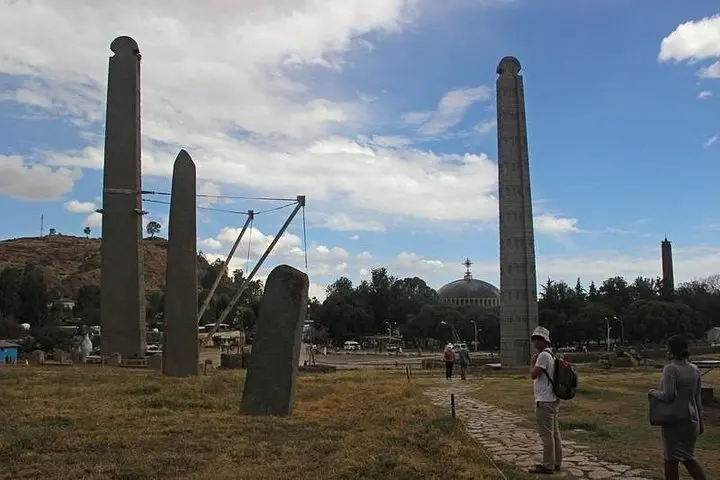
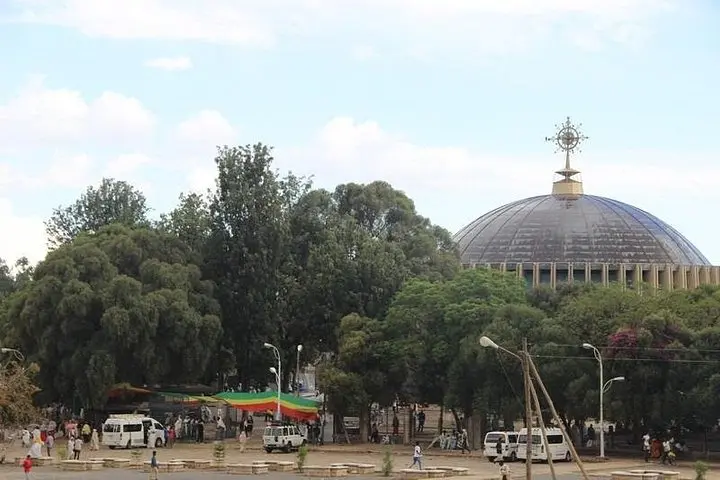
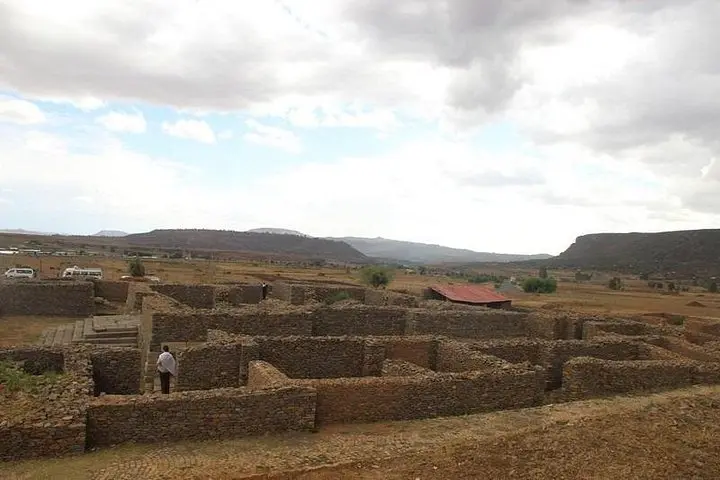
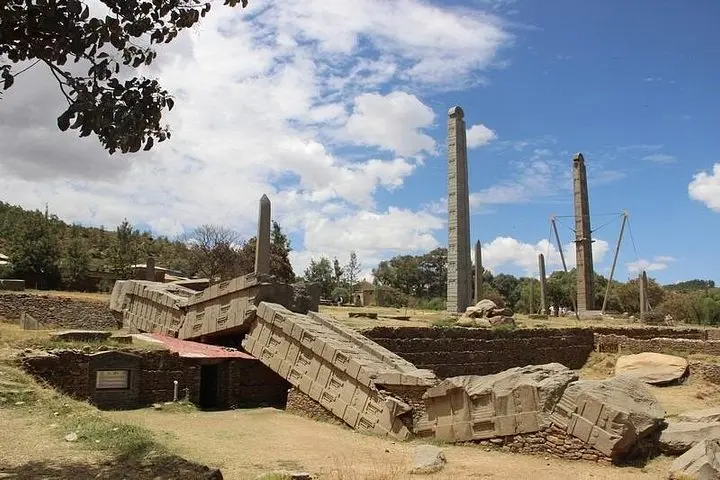
Dawn breaks over a highland town and the light slides down stepped stone, revealing the carved cruciform of Bete Giyorgis; elsewhere an obelisk punctures the pale sky where empires once announced themselves. This three-day excursion moves fast—flights link Addis Ababa with Axum and Lalibela, but most days are measured in walking and close inspection: the Stelae Park and coronation square in Axum, then the subterranean corridors and sunlit courtyards of Lalibela’s monolithic churches.
Dawn breaks over a highland town and the light slides down stepped stone, revealing the carved cruciform of Bete Giyorgis; elsewhere an obelisk punctures the pale sky where empires once announced themselves. This three-day excursion moves fast—flights link Addis Ababa with Axum and Lalibela, but most days are measured in walking and close inspection: the Stelae Park and coronation square in Axum, then the subterranean corridors and sunlit courtyards of Lalibela’s monolithic churches.
Axum’s granite stelae are reminders of an Aksumite civilization that traded across the Red Sea; Lalibela’s churches were hewn from volcanic tuff in the 12th–13th centuries, carved down and around to create complete structures. The geology matters: tuff is soft enough to sculpt yet durable at altitude—the churches sit around 2,400–2,500 m and Axum near 2,100 m—so expect cool, thin air and stone dust in wind. Culture is present at every site; churches remain active, and rituals and guards define access (the inner chapel that houses the Ark replica is restricted).
Practically: each day involves 2–6 km of walking on uneven flagstone, with modest elevation changes and stairs. Wear grippy shoes, carry water and small change for church candles and donations, and plan camera batteries—light changes rapidly inside carved chambers. Morning visits avoid crowds and bring sharper light for photographing reliefs and stelae. Respect dress codes, follow local guides, and factor in short domestic flights—this is an interpretive, on-foot encounter with Ethiopia’s highland history rather than a strenuous trek.