THE ADVENTURE COLLECTIVE® · Independent discovery and booking for outdoor travel

Three days of classic High Atlas trekking from Marrakech to Imlil, crossing Tizi M'zik and descending through juniper-studded valleys. Expect full days on varied terrain, Berber guesthouse nights, waterfalls and wide mountain views.
Three days of classic High Atlas trekking from Marrakech to Imlil, crossing Tizi M'zik and descending through juniper-studded valleys. Expect full days on varied terrain, Berber guesthouse nights, waterfalls and wide mountain views.
You leave Marrakech before dawn and the road loosens the city's heat as the Atlas foothills grow teeth and shadow. By Imlil the air is cooler, juniper-scented, and the valley opens into steep terraces and stacked Berber houses clinging to the slope. The trail rises toward Tizi M'zik, where wind and rock test your pace and reward you with long views across the Azzaden bowl.
Verified experiences and guided adventures in the surrounding area.
Operated by Toubkal life trekking · Imlil, Marrakech-Safi
You leave Marrakech before dawn and the road loosens the city's heat as the Atlas foothills grow teeth and shadow. By Imlil the air is cooler, juniper-scented, and the valley opens into steep terraces and stacked Berber houses clinging to the slope. The trail rises toward Tizi M'zik, where wind and rock test your pace and reward you with long views across the Azzaden bowl.
The High Atlas is geologically young—folded limestone and volcanic intrusions pushed up by African and Eurasian plate collision—creating steep passes and fast-draining valleys. Local history is written in the irrigation terraces and stone paths; Azzaden's villages have farmed walnuts, apples and barley for generations, and guest houses continue that tradition by hosting trekkers in family-run rooms.
On the trail expect a mix of rocky switchbacks, shady cedar and juniper stands, and open scree near higher saddles. Streams dare you to linger at lunch; waterfalls on day one are an obvious stop for photos and cold water on the skin. Guides lead mule crews and know short cuts and the best picnic walnut trees.
Practical note: hikes run 5–7 hours on walking days with a high point near 2,500 m; weather can swing quickly so layer and carry waterproofs. Use a local guide, allow time for acclimatization if you're not used to altitude, and favor sturdy boots with ankle support. If you travel in winter, crampons and an ice axe may be necessary—these can usually be rented in Marrakech or via your operator.
You should be comfortable walking 5–7 hours over uneven terrain and handling daily elevation gains; the route is guided and not technical but requires steady stamina.
The itinerary includes a Berber guesthouse night; confirm details with the operator for any additional nights in Marrakech.
Highest points approach 2,500 m; most travelers experience mild effects if unacclimatized—stay hydrated, move steadily, and tell your guide about symptoms.
Yes—winter items like crampons and ice axes can usually be rented in Marrakech or arranged through the operator; confirm availability before travel.
Toubkal life trekking operates guided outdoor trips and adventures with an emphasis on safety, stewardship, and memorable experiences.
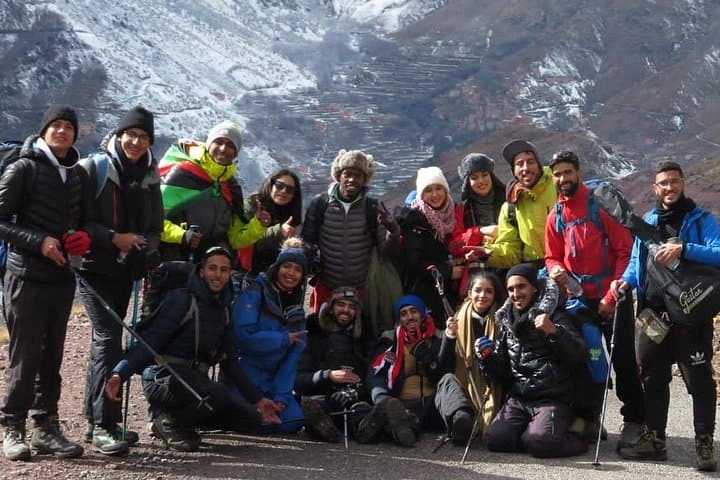
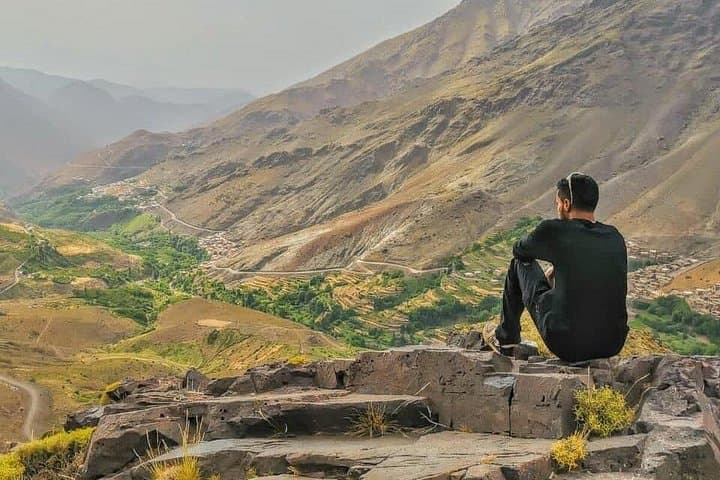
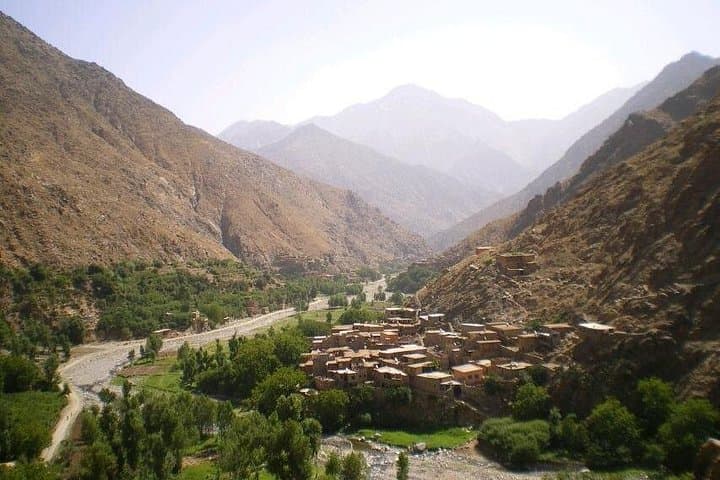
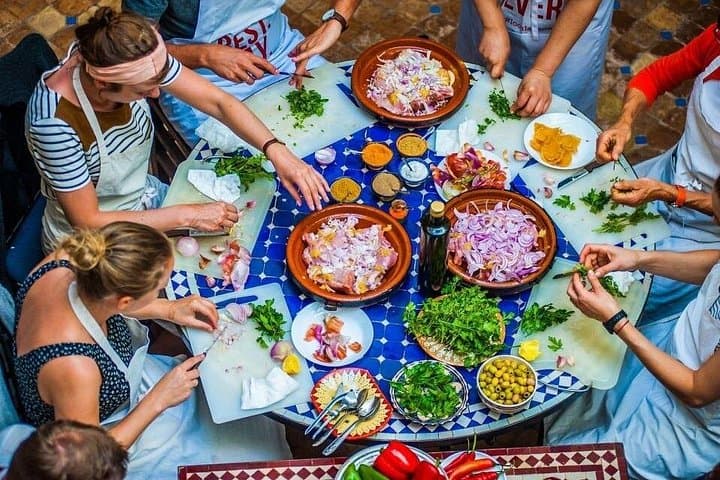
You leave Marrakech before dawn and the road loosens the city's heat as the Atlas foothills grow teeth and shadow. By Imlil the air is cooler, juniper-scented, and the valley opens into steep terraces and stacked Berber houses clinging to the slope. The trail rises toward Tizi M'zik, where wind and rock test your pace and reward you with long views across the Azzaden bowl.
You leave Marrakech before dawn and the road loosens the city's heat as the Atlas foothills grow teeth and shadow. By Imlil the air is cooler, juniper-scented, and the valley opens into steep terraces and stacked Berber houses clinging to the slope. The trail rises toward Tizi M'zik, where wind and rock test your pace and reward you with long views across the Azzaden bowl.
The High Atlas is geologically young—folded limestone and volcanic intrusions pushed up by African and Eurasian plate collision—creating steep passes and fast-draining valleys. Local history is written in the irrigation terraces and stone paths; Azzaden's villages have farmed walnuts, apples and barley for generations, and guest houses continue that tradition by hosting trekkers in family-run rooms.
On the trail expect a mix of rocky switchbacks, shady cedar and juniper stands, and open scree near higher saddles. Streams dare you to linger at lunch; waterfalls on day one are an obvious stop for photos and cold water on the skin. Guides lead mule crews and know short cuts and the best picnic walnut trees.
Practical note: hikes run 5–7 hours on walking days with a high point near 2,500 m; weather can swing quickly so layer and carry waterproofs. Use a local guide, allow time for acclimatization if you're not used to altitude, and favor sturdy boots with ankle support. If you travel in winter, crampons and an ice axe may be necessary—these can usually be rented in Marrakech or via your operator.