THE ADVENTURE COLLECTIVE® · Independent discovery and booking for outdoor travel

Spend three days exploring Ba Be National Park by boat, kayak, bike and on foot—swimming in karst-ringed waters, trekking through Tay villages, and sleeping in family-run homestays. This practical guide covers what to expect and how to prepare for the trip.
Spend three days exploring Ba Be National Park by boat, kayak, bike and on foot—swimming in karst-ringed waters, trekking through Tay villages, and sleeping in family-run homestays. This practical guide covers what to expect and how to prepare for the trip.
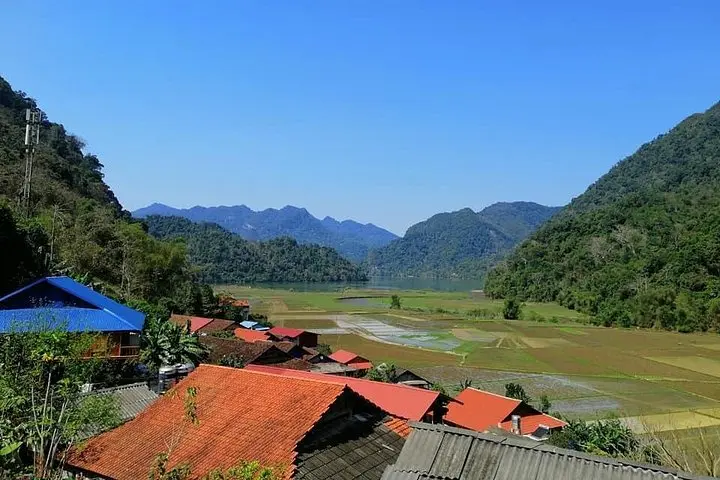
Morning light slices across Ba Be Lake and the water answers with a cool, steady hush. Boats ease past limestone islets, paddles part the reed edges, and the forested slopes press close—green, damp and insistently alive.
Verified experiences and guided adventures in the surrounding area.
Operated by Old Quarter Travel · Ba Bể, Bắc Kạn
Morning light slices across Ba Be Lake and the water answers with a cool, steady hush. Boats ease past limestone islets, paddles part the reed edges, and the forested slopes press close—green, damp and insistently alive.
Ba Be sits on karst limestone folded by tectonic uplift, the lake itself a natural freshwater bowl formed where the Nang River slows between cliffs. The area has been home to Tay and Dao communities for centuries; their stilt houses and temples punctuate river bends and tell of rice cycles, river rites, and local spirits tied to places like An Ma Temple and Fairy Pond.
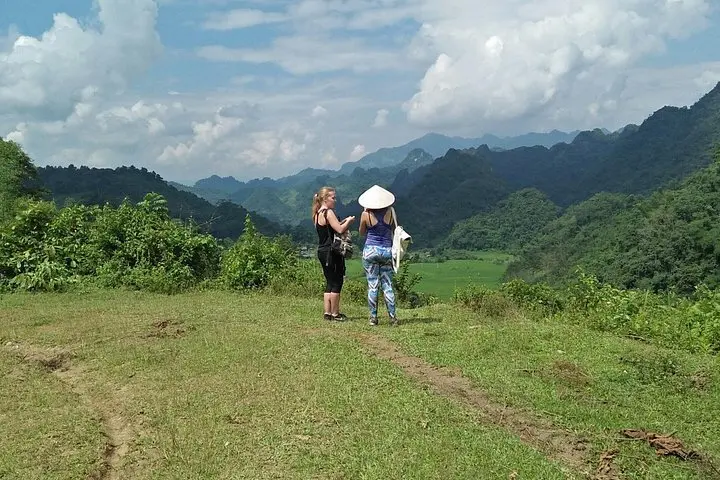
Over three days visitors alternate quiet boat travel with active legs: a two-hour boat trip and swims around Widow Island; a roughly 15 km, medium-difficulty day trek through Mo, Lom and Chay villages; and morning cycling to Hua Ma Cave before returning to Hanoi. The routes move from lakeshore wetlands to limestone ridges and mixed primary forest—expect uneven trails, mud after rain, and shaded singletrack.
Practical guidance: start early to catch cool hours on the trek and quiet on the lake; carry at least 2 liters of water, lightweight rain protection and sturdy trail shoes with grip. Basic paddling ability is helpful for kayaking; hosts provide boats and bikes but check condition before leaving. Respect village rhythms: ask before photographing and leave no trace. Travel thoughtfully—the park’s biodiversity and cultural heritage benefit from low-impact visits and bookings that support local homestays.
The main trekking day is about 15 km with mixed terrain and moderate climbs—suitable for hikers with some endurance and stable footing.
Yes; the itinerary includes a boat trip and kayaking—hosts supply boats, life jackets and basic paddles, but check equipment condition before departure.
Yes—swimming stops like Widow Island are standard, though water clarity and currents vary; avoid swimming after heavy rain.
Vietnamese (Tay language in villages) and Vietnamese đồng (VND) are used; basic English is common at homestays and guides can translate.
Old Quarter Travel operates guided outdoor trips and adventures with an emphasis on safety, stewardship, and memorable experiences.


Morning light slices across Ba Be Lake and the water answers with a cool, steady hush. Boats ease past limestone islets, paddles part the reed edges, and the forested slopes press close—green, damp and insistently alive.
Morning light slices across Ba Be Lake and the water answers with a cool, steady hush. Boats ease past limestone islets, paddles part the reed edges, and the forested slopes press close—green, damp and insistently alive.
Ba Be sits on karst limestone folded by tectonic uplift, the lake itself a natural freshwater bowl formed where the Nang River slows between cliffs. The area has been home to Tay and Dao communities for centuries; their stilt houses and temples punctuate river bends and tell of rice cycles, river rites, and local spirits tied to places like An Ma Temple and Fairy Pond.
Over three days visitors alternate quiet boat travel with active legs: a two-hour boat trip and swims around Widow Island; a roughly 15 km, medium-difficulty day trek through Mo, Lom and Chay villages; and morning cycling to Hua Ma Cave before returning to Hanoi. The routes move from lakeshore wetlands to limestone ridges and mixed primary forest—expect uneven trails, mud after rain, and shaded singletrack.
Practical guidance: start early to catch cool hours on the trek and quiet on the lake; carry at least 2 liters of water, lightweight rain protection and sturdy trail shoes with grip. Basic paddling ability is helpful for kayaking; hosts provide boats and bikes but check condition before leaving. Respect village rhythms: ask before photographing and leave no trace. Travel thoughtfully—the park’s biodiversity and cultural heritage benefit from low-impact visits and bookings that support local homestays.