THE ADVENTURE COLLECTIVE® · Independent discovery and booking for outdoor travel

Ride dawn-to-dusk through misty highland passes from Sapa to Bac Ha and remote Ban Phung, stopping at ethnic markets, Hoang A Tuong Palace, and roadside villages. This three-day motorbike journey pairs rugged roads with homestay nights and deep cultural encounters.
Ride dawn-to-dusk through misty highland passes from Sapa to Bac Ha and remote Ban Phung, stopping at ethnic markets, Hoang A Tuong Palace, and roadside villages. This three-day motorbike journey pairs rugged roads with homestay nights and deep cultural encounters.
You kick the bike into life before sunrise in Sapa, mist lifting from terraced paddies as the first gears hum through a narrow valley. The road climbs and unfolds: hairpin passes, tea plantations sliding by, and occasional market villages where women in embroidered dress haggle over livestock and fabric.
Verified experiences and guided adventures in the surrounding area.
Operated by SAIGONESE TREKKING HOUSE · Sapa, Lào Cai
You kick the bike into life before sunrise in Sapa, mist lifting from terraced paddies as the first gears hum through a narrow valley. The road climbs and unfolds: hairpin passes, tea plantations sliding by, and occasional market villages where women in embroidered dress haggle over livestock and fabric.
This three-day route threads through Lào Cai and into Hà Giang province, regions shaped by tectonic uplift and centuries of rice cultivation. Hoang A Tuong Palace in Bắc Hà (built 1914–1921) hints at colonial-era power, while the Flower Hmong, La Chi, Dzao and Tay communities keep traditional dress and market cycles alive. Geologically, the landscape shifts from carved terraces and volcanic soils around Sapa to karst outcrops and limestone ridges approaching Ban Phung.
Expect paved mountain passes with sections of narrow shoulder, intermittent gravel, and steep climbs; daily riding distances typically range from short 60 km hops to longer 120–160 km stretches depending on stops. Temperatures cool above 1,200 m and mornings often begin in fog.
Practical essentials: travel with a reliable helmet and rain shell, allow extra time for photo stops and village detours, and plan on homestays for basic comfort and authentic meals. If you’re self-riding, know local road etiquette and be prepared for slow-moving trucks and livestock on the road. Otherwise, riding as a passenger with an experienced local driver reduces technical demand.
The trip balances cultural immersion with raw mountain riding — a compact route that reveals Northern Vietnam’s dramatic vistas, living traditions, and hands-on travel that rewards patience and curiosity.
Many operators allow passengers on local drivers’ bikes; if you plan to self-ride, basic experience on manual or automatic bikes in hilly terrain is required.
Nights are spent in local homestays offering simple bedrooms and cooked meals—comfortable but rustic compared with hotels.
Heavy rain can make roads slippery and reduce visibility; operators may cancel or reroute on dangerous conditions, and good waterproof gear is essential.
Yes—itineraries commonly offer the option to return to Sapa or continue to Ha Giang town depending on your travel plans and timing.
SAIGONESE TREKKING HOUSE operates guided outdoor trips and adventures with an emphasis on safety, stewardship, and memorable experiences.
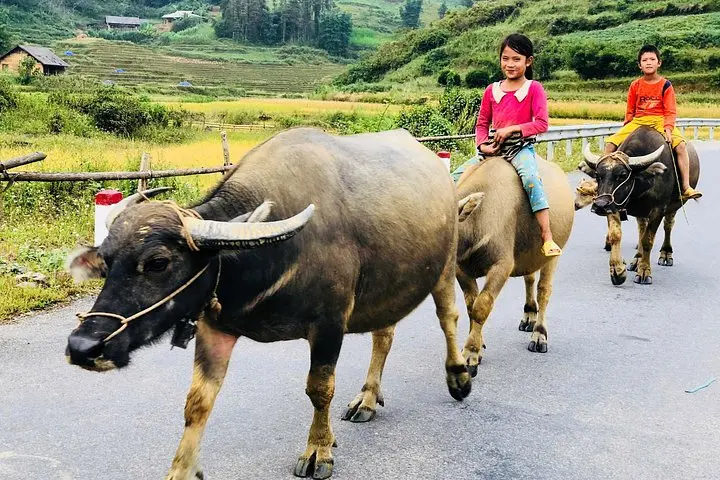
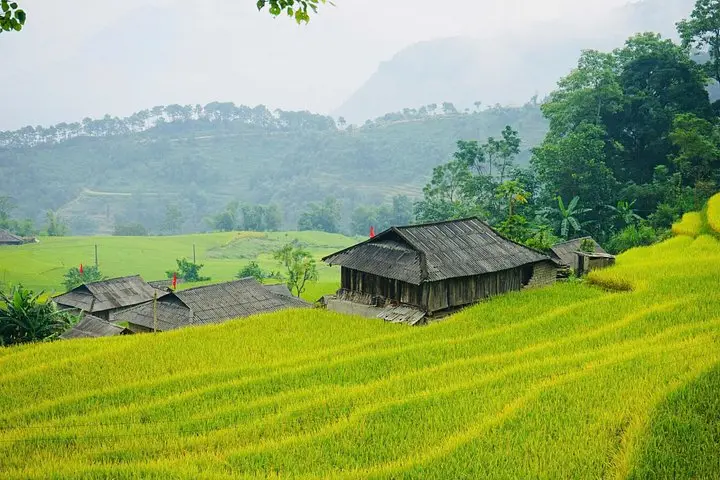
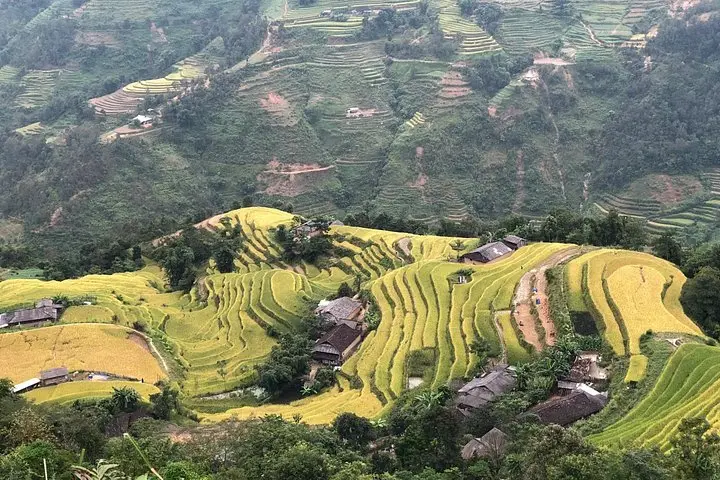
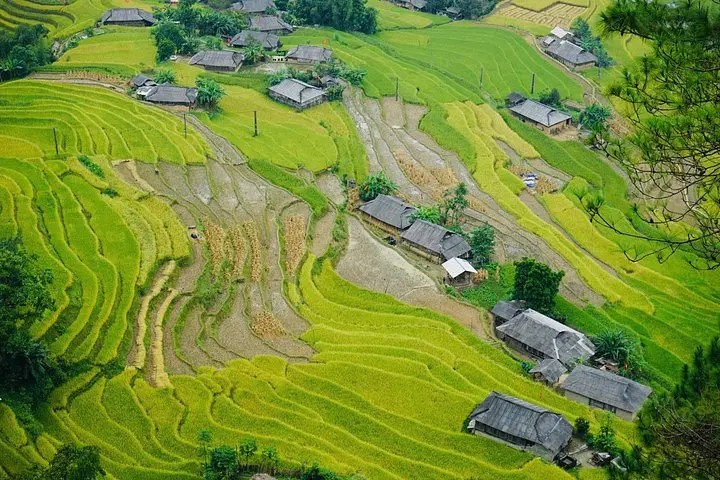
You kick the bike into life before sunrise in Sapa, mist lifting from terraced paddies as the first gears hum through a narrow valley. The road climbs and unfolds: hairpin passes, tea plantations sliding by, and occasional market villages where women in embroidered dress haggle over livestock and fabric.
You kick the bike into life before sunrise in Sapa, mist lifting from terraced paddies as the first gears hum through a narrow valley. The road climbs and unfolds: hairpin passes, tea plantations sliding by, and occasional market villages where women in embroidered dress haggle over livestock and fabric.
This three-day route threads through Lào Cai and into Hà Giang province, regions shaped by tectonic uplift and centuries of rice cultivation. Hoang A Tuong Palace in Bắc Hà (built 1914–1921) hints at colonial-era power, while the Flower Hmong, La Chi, Dzao and Tay communities keep traditional dress and market cycles alive. Geologically, the landscape shifts from carved terraces and volcanic soils around Sapa to karst outcrops and limestone ridges approaching Ban Phung.
Expect paved mountain passes with sections of narrow shoulder, intermittent gravel, and steep climbs; daily riding distances typically range from short 60 km hops to longer 120–160 km stretches depending on stops. Temperatures cool above 1,200 m and mornings often begin in fog.
Practical essentials: travel with a reliable helmet and rain shell, allow extra time for photo stops and village detours, and plan on homestays for basic comfort and authentic meals. If you’re self-riding, know local road etiquette and be prepared for slow-moving trucks and livestock on the road. Otherwise, riding as a passenger with an experienced local driver reduces technical demand.
The trip balances cultural immersion with raw mountain riding — a compact route that reveals Northern Vietnam’s dramatic vistas, living traditions, and hands-on travel that rewards patience and curiosity.