THE ADVENTURE COLLECTIVE® · Independent discovery and booking for outdoor travel

Three days from Addis Ababa take you across Rift Valley lakes to the afro-alpine Sanetti Plateau, where Ethiopian wolves hunt and Harenna’s forests hide endemic species. This practical guide outlines what to expect—terrain, altitude, wildlife and packing tips—for a 3-day nature-focused trek.
Three days from Addis Ababa take you across Rift Valley lakes to the afro-alpine Sanetti Plateau, where Ethiopian wolves hunt and Harenna’s forests hide endemic species. This practical guide outlines what to expect—terrain, altitude, wildlife and packing tips—for a 3-day nature-focused trek.
A hard-dawn drive out of Addis Ababa sets the pace: the road falls away into Rift Valley lakes whose surfaces flash like coins, then climbs toward Goba where the air already smells of grass and peat. By the second day the landscape shifts—woody slopes give way to the Sanetti Plateau, an otherworldly afro-alpine moor above 3,500–4,000 m where tussock grass and giant lobelia bend to wind and rare predators patrol their territory.
Verified experiences and guided adventures in the surrounding area.
Operated by Danakil Depression Tours · Goba, Oromia
A hard-dawn drive out of Addis Ababa sets the pace: the road falls away into Rift Valley lakes whose surfaces flash like coins, then climbs toward Goba where the air already smells of grass and peat. By the second day the landscape shifts—woody slopes give way to the Sanetti Plateau, an otherworldly afro-alpine moor above 3,500–4,000 m where tussock grass and giant lobelia bend to wind and rare predators patrol their territory.
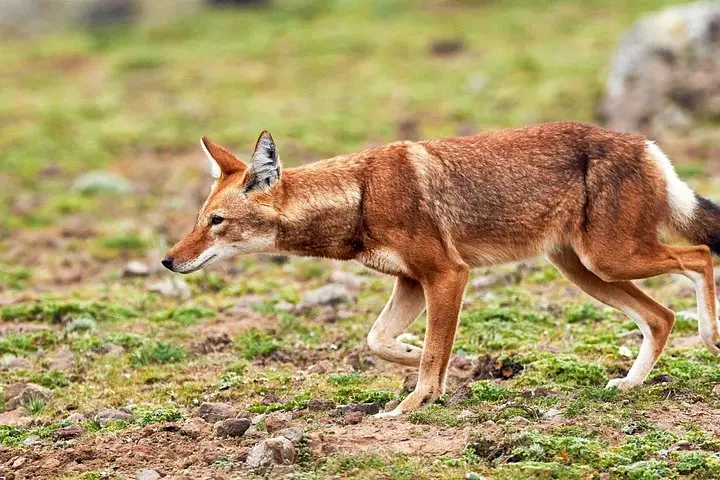
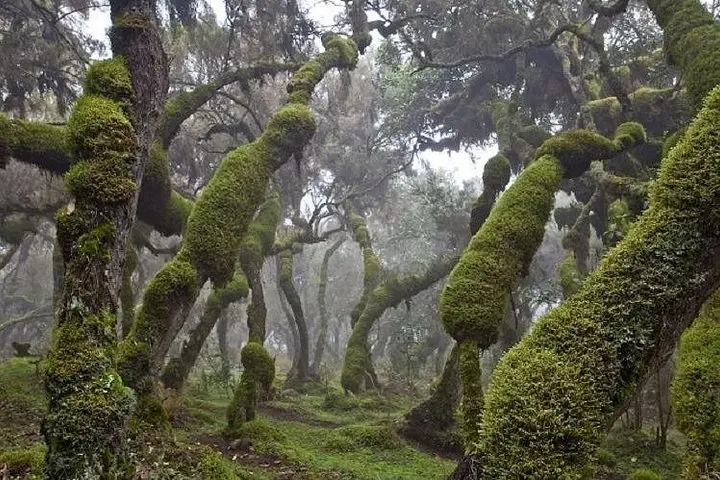
The Bale Mountains protect some of Ethiopia’s most exclusive wildlife: the Ethiopian wolf hunting for giant mole rats on open moorland, the shy mountain nyala on forest margins, and endemic birds like the Abyssinian longclaw that mark elevation with a call. Geologically the park sits on uplifted highlands cut by the Rift; the Harenna Escarpment drops steeply from alpine moors into dense Afromontane forest where Bale monkeys and diverse amphibians live.
Practically, this is a 3-day circuit of mixed driving and walking: expect long road legs (400+ km round trips), day hikes to lakes and viewpoints, and short climbs to Tullu Dimtu (approx. 4,377 m) on the Sanetti Plateau. Accommodation is in simple hotels; food is included. Altitude is the main challenge—take time with ascent, hydrate, and move deliberately on steep peat and rocky ground. Good boots, warm layers, sun protection and a basic first-aid kit keep the trip comfortable.
Guides are experienced with wildlife viewing; bring binoculars and patience. The reward is clear: wide alpine sky, rare species watching at dawn, and the contrast of Rift Valley lakes on the return drive.
The walking is moderate—short to medium hikes on uneven alpine moorland and forest trails; the main challenge is altitude rather than technical terrain.
The Sanetti Plateau is one of the best places to spot Ethiopian wolves, especially at dawn and dusk, though sightings are not guaranteed and depend on luck and weather.
Yes—parts of the tour reach over 4,000 m. Hydrate, ascend slowly, avoid alcohol, and inform guides of any symptoms; most itineraries are designed to reduce rapid ascent.
Typical inclusions are accommodation, meals as listed (breakfast/lunch/dinner), transport in an air-conditioned vehicle, entrance fees, guide and scout services; confirm specifics at booking.
Danakil Depression Tours operates guided outdoor trips and adventures with an emphasis on safety, stewardship, and memorable experiences.
A hard-dawn drive out of Addis Ababa sets the pace: the road falls away into Rift Valley lakes whose surfaces flash like coins, then climbs toward Goba where the air already smells of grass and peat. By the second day the landscape shifts—woody slopes give way to the Sanetti Plateau, an otherworldly afro-alpine moor above 3,500–4,000 m where tussock grass and giant lobelia bend to wind and rare predators patrol their territory.
A hard-dawn drive out of Addis Ababa sets the pace: the road falls away into Rift Valley lakes whose surfaces flash like coins, then climbs toward Goba where the air already smells of grass and peat. By the second day the landscape shifts—woody slopes give way to the Sanetti Plateau, an otherworldly afro-alpine moor above 3,500–4,000 m where tussock grass and giant lobelia bend to wind and rare predators patrol their territory.
The Bale Mountains protect some of Ethiopia’s most exclusive wildlife: the Ethiopian wolf hunting for giant mole rats on open moorland, the shy mountain nyala on forest margins, and endemic birds like the Abyssinian longclaw that mark elevation with a call. Geologically the park sits on uplifted highlands cut by the Rift; the Harenna Escarpment drops steeply from alpine moors into dense Afromontane forest where Bale monkeys and diverse amphibians live.
Practically, this is a 3-day circuit of mixed driving and walking: expect long road legs (400+ km round trips), day hikes to lakes and viewpoints, and short climbs to Tullu Dimtu (approx. 4,377 m) on the Sanetti Plateau. Accommodation is in simple hotels; food is included. Altitude is the main challenge—take time with ascent, hydrate, and move deliberately on steep peat and rocky ground. Good boots, warm layers, sun protection and a basic first-aid kit keep the trip comfortable.
Guides are experienced with wildlife viewing; bring binoculars and patience. The reward is clear: wide alpine sky, rare species watching at dawn, and the contrast of Rift Valley lakes on the return drive.