THE ADVENTURE COLLECTIVE® · Independent discovery and booking for outdoor travel

Traverse the Icefields Parkway on a curated three-day sweep of Banff, Lake Louise and the Columbia Icefield. This guided tour pairs short, high-impact hikes and iconic viewpoints with the chance to stand on a glacier and soak in mountain hot springs.
Traverse the Icefields Parkway on a curated three-day sweep of Banff, Lake Louise and the Columbia Icefield. This guided tour pairs short, high-impact hikes and iconic viewpoints with the chance to stand on a glacier and soak in mountain hot springs.
The first light catches the spine of the Rockies as your coach eases out of Calgary and the road narrows into a canyon of stone. Trees press close to the windows, rivers flash silver, and the Icefields Parkway unfurls like a promise — every turnout revealing another turquoise lake or a glacier-ribbed ridge. Over three days you trade the city grid for glacial blue, steam-heated springs, boardwalk summits and the impossible clarity of Lake Louise and Moraine Lake.
Verified experiences and guided adventures in the surrounding area.
Operated by Banff ToDo · Banff, Alberta
The first light catches the spine of the Rockies as your coach eases out of Calgary and the road narrows into a canyon of stone. Trees press close to the windows, rivers flash silver, and the Icefields Parkway unfurls like a promise — every turnout revealing another turquoise lake or a glacier-ribbed ridge. Over three days you trade the city grid for glacial blue, steam-heated springs, boardwalk summits and the impossible clarity of Lake Louise and Moraine Lake.
This route walks through the geological archive of the Canadian Rockies: sedimentary limestone and shale thrust skyward during the Laramide orogeny, later carved by alpine glaciers into U-shaped valleys and hanging cirques. The Columbia Icefield is the watershed’s hard, cold reservoir — the source that still feeds the turquoise lakes below. Culturally, this land carries Stoney Nakoda place names and early park history; Banff was designated Canada’s first national park in the 1880s after railway builders stumbled on hot springs, and tourism here grew out of that same rugged curiosity that brings visitors today.
Expect short, vivid walks rather than long alpine climbs: the Peyto and Bow Lake viewpoints are minutes on foot from parking; the Banff Gondola rises 698 m to Sulphur Mountain for a boardwalk traverse and views across six ranges. Moraine Lake’s Rockpile and Lake Louise’s lakeshore are postcard-ready but popular — arrive early. On day three the Icefields Parkway stretches as one of the world’s great scenic drives, taking you past Crowfoot and Bow glaciers to the Columbia Icefield where optional snowcoach rides (extra cost) let you step onto Athabasca Glacier.
Practical side: weather flips quickly at altitude — 15–20°C swings between valley and glacier are common. Roads are well maintained in summer but subject to closures in shoulder seasons; the itinerary substitutes Marble Canyon for Moraine Lake outside the June–Oct window. Most stops have short, even trails; bring footwear with good tread and a warm layer for high-elevation breezes. Food stops are scheduled but often at visitor centers and resort restaurants; carry snacks and water for long coach segments.
This tour suits travelers who want an efficient, curated sweep of the Rockies with guided context and two nights based in Banff. It’s photography-rich — plan for sunrise at the lakes or sunset from Sulphur Mountain — but also wearable: comfortable shoes, sun protection and a waterproof shell make the days smooth. In short, you’ll trade time behind the wheel for front-row views of a range that still moves slowly, stubbornly reshaping itself beneath glaciers daring you to look closer.
Most park entry fees are typically covered by the operator, but Banff Gondola and Upper Hot Springs admissions are optional extras and are not included unless specified.
Access to the glacier is available via optional snowcoach or guided ice-walk experiences at extra cost; independent walking on the glacier is not advised for safety reasons.
Moraine Lake’s road is seasonally accessible—typically open June 1 to Oct 13; outside that window the itinerary visits Marble Canyon instead.
Hikes are generally short and moderate—most stops require brief walks (15–90 minutes) on maintained trails and viewpoints rather than sustained climbs.
Expect elk, bighorn sheep, and smaller mammals; keep distance, never feed wildlife, and follow guide instructions to avoid startling animals.
This tour is listed as all-sales-final with no refunds for cancellations; operators may cancel for weather or insufficient travelers and will notify guests accordingly.
Banff ToDo operates guided outdoor trips and adventures with an emphasis on safety, stewardship, and memorable experiences.
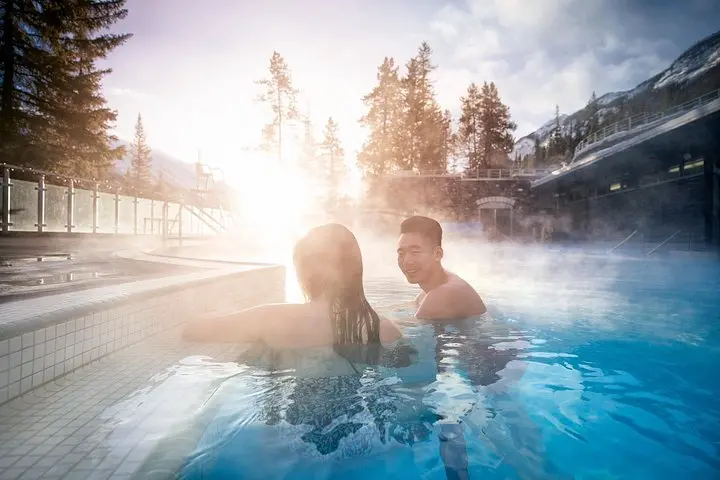
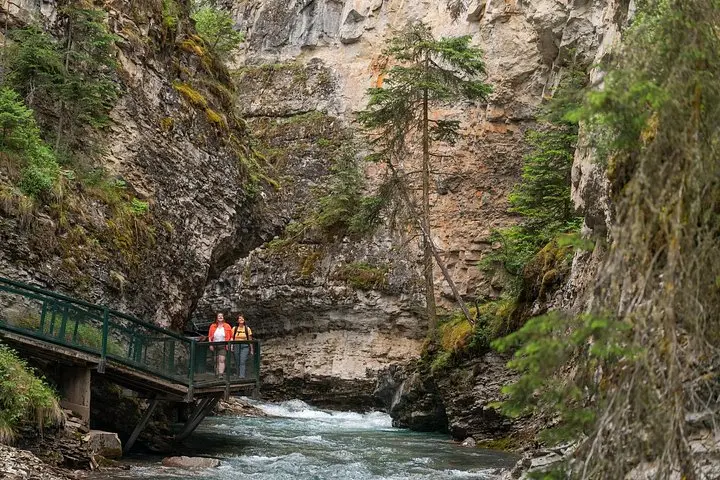
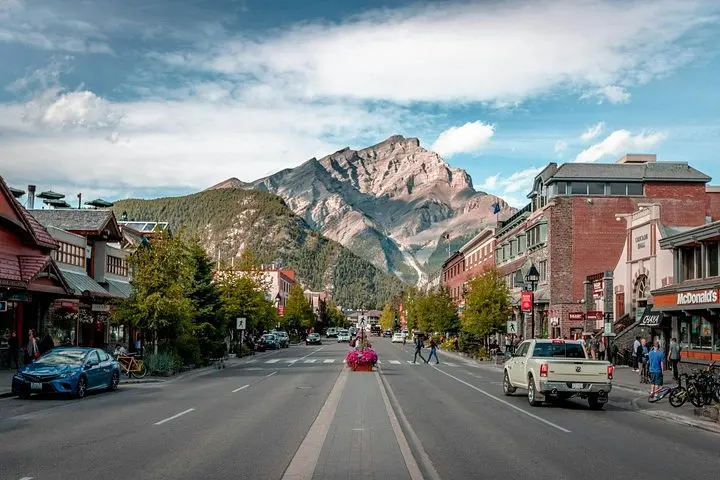
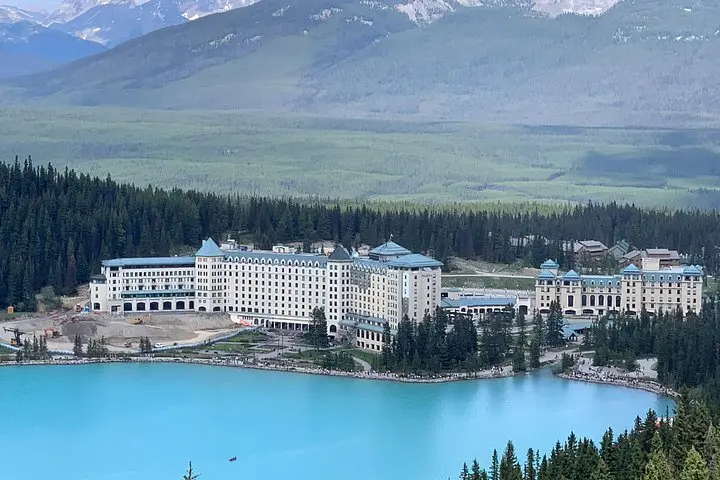
The first light catches the spine of the Rockies as your coach eases out of Calgary and the road narrows into a canyon of stone. Trees press close to the windows, rivers flash silver, and the Icefields Parkway unfurls like a promise — every turnout revealing another turquoise lake or a glacier-ribbed ridge. Over three days you trade the city grid for glacial blue, steam-heated springs, boardwalk summits and the impossible clarity of Lake Louise and Moraine Lake.
The first light catches the spine of the Rockies as your coach eases out of Calgary and the road narrows into a canyon of stone. Trees press close to the windows, rivers flash silver, and the Icefields Parkway unfurls like a promise — every turnout revealing another turquoise lake or a glacier-ribbed ridge. Over three days you trade the city grid for glacial blue, steam-heated springs, boardwalk summits and the impossible clarity of Lake Louise and Moraine Lake.
This route walks through the geological archive of the Canadian Rockies: sedimentary limestone and shale thrust skyward during the Laramide orogeny, later carved by alpine glaciers into U-shaped valleys and hanging cirques. The Columbia Icefield is the watershed’s hard, cold reservoir — the source that still feeds the turquoise lakes below. Culturally, this land carries Stoney Nakoda place names and early park history; Banff was designated Canada’s first national park in the 1880s after railway builders stumbled on hot springs, and tourism here grew out of that same rugged curiosity that brings visitors today.
Expect short, vivid walks rather than long alpine climbs: the Peyto and Bow Lake viewpoints are minutes on foot from parking; the Banff Gondola rises 698 m to Sulphur Mountain for a boardwalk traverse and views across six ranges. Moraine Lake’s Rockpile and Lake Louise’s lakeshore are postcard-ready but popular — arrive early. On day three the Icefields Parkway stretches as one of the world’s great scenic drives, taking you past Crowfoot and Bow glaciers to the Columbia Icefield where optional snowcoach rides (extra cost) let you step onto Athabasca Glacier.
Practical side: weather flips quickly at altitude — 15–20°C swings between valley and glacier are common. Roads are well maintained in summer but subject to closures in shoulder seasons; the itinerary substitutes Marble Canyon for Moraine Lake outside the June–Oct window. Most stops have short, even trails; bring footwear with good tread and a warm layer for high-elevation breezes. Food stops are scheduled but often at visitor centers and resort restaurants; carry snacks and water for long coach segments.
This tour suits travelers who want an efficient, curated sweep of the Rockies with guided context and two nights based in Banff. It’s photography-rich — plan for sunrise at the lakes or sunset from Sulphur Mountain — but also wearable: comfortable shoes, sun protection and a waterproof shell make the days smooth. In short, you’ll trade time behind the wheel for front-row views of a range that still moves slowly, stubbornly reshaping itself beneath glaciers daring you to look closer.