THE ADVENTURE COLLECTIVE® · Independent discovery and booking for outdoor travel

A focused three-day loop from Beirut into Lebanon’s Bekaa Valley visiting Baalbek, the Umayyad ruins of Anjar and a Bekaa winery. Expect guided archaeological stops, cellar tours, included transfers and hotel lodging.
A focused three-day loop from Beirut into Lebanon’s Bekaa Valley visiting Baalbek, the Umayyad ruins of Anjar and a Bekaa winery. Expect guided archaeological stops, cellar tours, included transfers and hotel lodging.
You step out of a cool, air-conditioned van and the Bekaa Valley opens before you — a patchwork of vineyards and scrub cut by dusty service roads, the distant columns of Baalbek rising like carved sentries. On this compact three-day loop from Beirut you move from the city’s coastal pulse into layers of history: Roman masonry, Umayyad grids, and cellar-cooled wines that smell of stone and sun.
Verified experiences and guided adventures in the surrounding area.
Operated by Lebanon Tours Online · Beirut, Beirut Governorate
You step out of a cool, air-conditioned van and the Bekaa Valley opens before you — a patchwork of vineyards and scrub cut by dusty service roads, the distant columns of Baalbek rising like carved sentries. On this compact three-day loop from Beirut you move from the city’s coastal pulse into layers of history: Roman masonry, Umayyad grids, and cellar-cooled wines that smell of stone and sun.
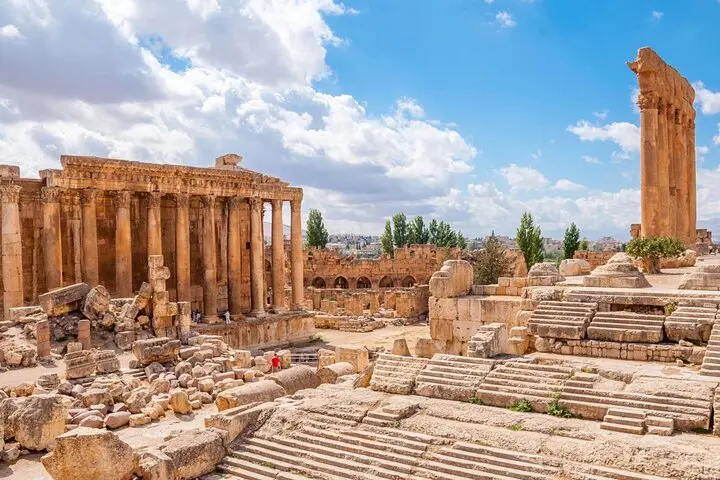
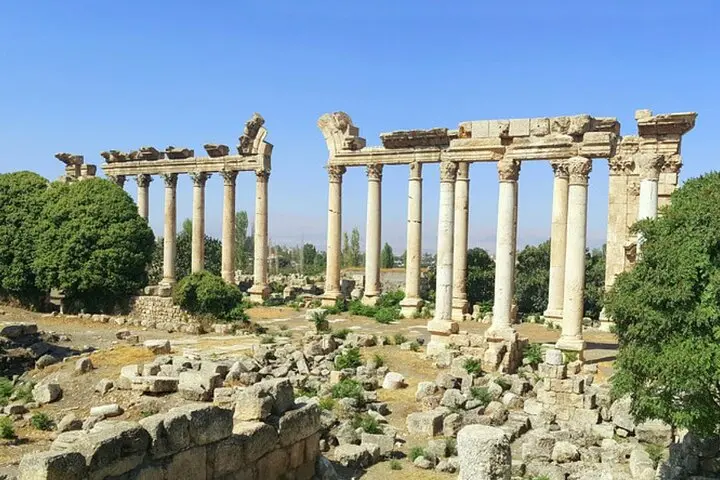
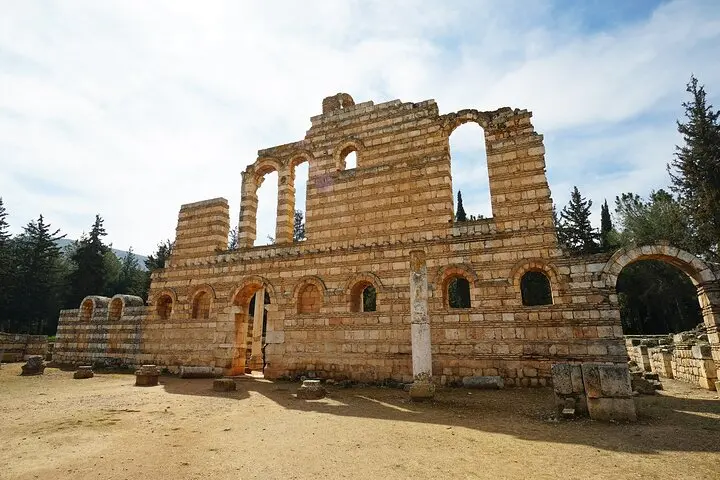
Baalbek’s temple complex dates to the first centuries CE and sits on a plain that has been cultivated since the Bronze Age; nearby Anjar preserves an Umayyad grid plan and palace ruins that reflect early Islamic urban design. The Bekaa Valley itself is a rift between Lebanon’s mountain chains, a fertile corridor shaped by tectonics and centuries of irrigation — an open landscape that pushes you forward.
Culturally the tour stitches Beirut’s modern energy with rural rhythms: small-group stops at a family-run winery, market-side lunches, and town streets where coffee shops spill into alleys. Guides typically explain conservation needs at archaeological sites and how viniculture here mixes tradition and modern techniques.
Practical guidance: expect moderate walking on uneven ancient stone and gravel, comfortable hotel nights in Beirut, and private airport transfers included. Carry a water bottle, sun protection, and an ID for site admissions. Timing matters — cooler mornings are best for ruins; tastings work well in late afternoon. Respect restricted areas at archaeological sites, and leave extra room in your schedule for traffic coming in and out of the city.
Yes — a representative meets you at Beirut Airport and private transfers to and from your Beirut hotel are included.
Two nights in a Beirut city hotel are included; rooms are typically mid-range urban hotels with breakfast provided.
Some admissions are included (e.g., Baalbek, Aanjar); winery visits and tastings are often part of the itinerary but confirm specifics with the operator before booking.
The tour is labeled suitable for all fitness levels, but archaeological sites involve uneven terrain and steps — guests with mobility concerns should contact the operator in advance.
Lebanon Tours Online operates guided outdoor trips and adventures with an emphasis on safety, stewardship, and memorable experiences.

You step out of a cool, air-conditioned van and the Bekaa Valley opens before you — a patchwork of vineyards and scrub cut by dusty service roads, the distant columns of Baalbek rising like carved sentries. On this compact three-day loop from Beirut you move from the city’s coastal pulse into layers of history: Roman masonry, Umayyad grids, and cellar-cooled wines that smell of stone and sun.
You step out of a cool, air-conditioned van and the Bekaa Valley opens before you — a patchwork of vineyards and scrub cut by dusty service roads, the distant columns of Baalbek rising like carved sentries. On this compact three-day loop from Beirut you move from the city’s coastal pulse into layers of history: Roman masonry, Umayyad grids, and cellar-cooled wines that smell of stone and sun.
Baalbek’s temple complex dates to the first centuries CE and sits on a plain that has been cultivated since the Bronze Age; nearby Anjar preserves an Umayyad grid plan and palace ruins that reflect early Islamic urban design. The Bekaa Valley itself is a rift between Lebanon’s mountain chains, a fertile corridor shaped by tectonics and centuries of irrigation — an open landscape that pushes you forward.
Culturally the tour stitches Beirut’s modern energy with rural rhythms: small-group stops at a family-run winery, market-side lunches, and town streets where coffee shops spill into alleys. Guides typically explain conservation needs at archaeological sites and how viniculture here mixes tradition and modern techniques.
Practical guidance: expect moderate walking on uneven ancient stone and gravel, comfortable hotel nights in Beirut, and private airport transfers included. Carry a water bottle, sun protection, and an ID for site admissions. Timing matters — cooler mornings are best for ruins; tastings work well in late afternoon. Respect restricted areas at archaeological sites, and leave extra room in your schedule for traffic coming in and out of the city.