THE ADVENTURE COLLECTIVE® · Independent discovery and booking for outdoor travel

Three days of rail and coach travel from Dublin link Blarney Castle, the Ring of Kerry and the Cliffs of Moher. Expect coastal cliffs, karst limestone of the Burren and mountain views around Killarney—plus local B&B stays and guided stops for photos and history.
Three days of rail and coach travel from Dublin link Blarney Castle, the Ring of Kerry and the Cliffs of Moher. Expect coastal cliffs, karst limestone of the Burren and mountain views around Killarney—plus local B&B stays and guided stops for photos and history.
The train leaves Dublin before dawn and the country unfolds like a living map: farms streak past, low hills roll into wider folds and the Atlantic light sharpens as you approach the southwest. On day one the group steps off at Cork, wanders Blarney Castle’s gardens, and watches Cóbh’s harbor where ocean stories gather like gulls.
Verified experiences and guided adventures in the surrounding area.
Operated by Railtours Ireland First Class · Dublin, County Dublin
The train leaves Dublin before dawn and the country unfolds like a living map: farms streak past, low hills roll into wider folds and the Atlantic light sharpens as you approach the southwest. On day one the group steps off at Cork, wanders Blarney Castle’s gardens, and watches Cóbh’s harbor where ocean stories gather like gulls.
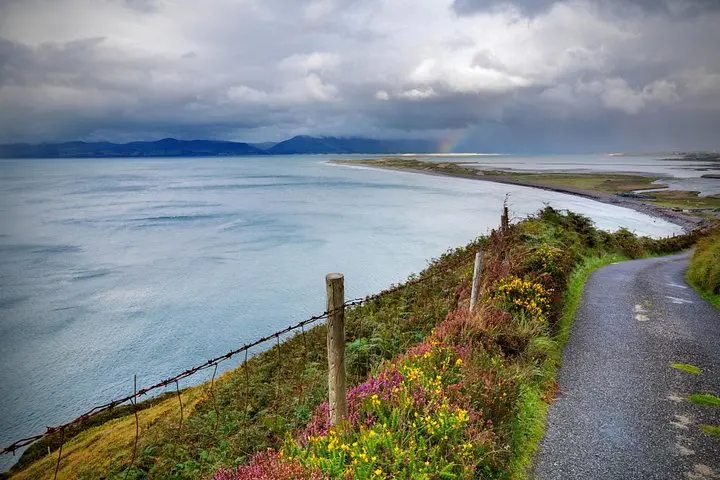
This route stitches together Ireland’s layered history—medieval castles, Victorian port towns and famine-era emigration sites—set on geology that ranges from limestone pavement in the Burren to the granite shoulders of the MacGillycuddy Reeks. The Ring of Kerry circles peninsulas and bays across roughly 179 km (111 miles), skirting Carrantuohill, the country’s 1,041 m high summit, while the Cliffs of Moher rise to about 214 m, facing a temperamental Atlantic that seems to dare you to look closer.
Culturally, expect small-town pubs, Gaelic place names and the persistent presence of seafaring life in coastal villages like Doolin and Kinvara. Naturalists will notice the Burren’s unusual wildflowers on thin soils and seabirds riding cliff thermals.
Practically: travel mixes reserved rail seats and coach transfers with two nights in local B&Bs and included breakfasts. Bring waterproof layers, sturdy shoes for uneven cliff paths, and a small daypack for camera stops. Mobility note: trains are wheelchair-friendly but coaches are not—plan accordingly. Days are long but well-paced with scheduled breaks for photos, lunches and short walks. Early check-in at Heuston Station is required; travel light, charge devices, and let the landscape set the rhythm of the trip.
Daily activity is light to moderate: short guided walks at attractions and photo stops of 20–60 minutes, with longer periods seated on trains and coaches.
Two full Irish breakfasts and one lunch stop are included; other lunches and dinners are at your own expense with time allocated for eating on route.
Trains in Ireland are wheelchair-friendly, but coaches are not—participants must be able to climb bus steps; mobility scooters cannot be accommodated.
Standard luggage is transported; bring one main bag and a small daypack—hosts will advise on boarding and storage at check-in.
Railtours Ireland First Class operates guided outdoor trips and adventures with an emphasis on safety, stewardship, and memorable experiences.
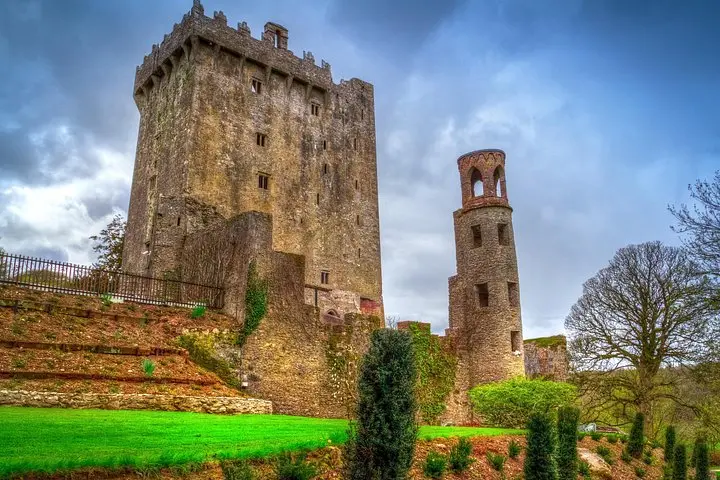
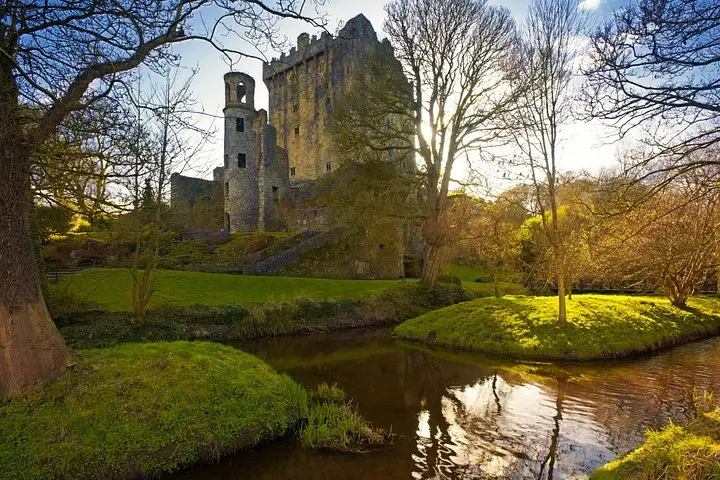
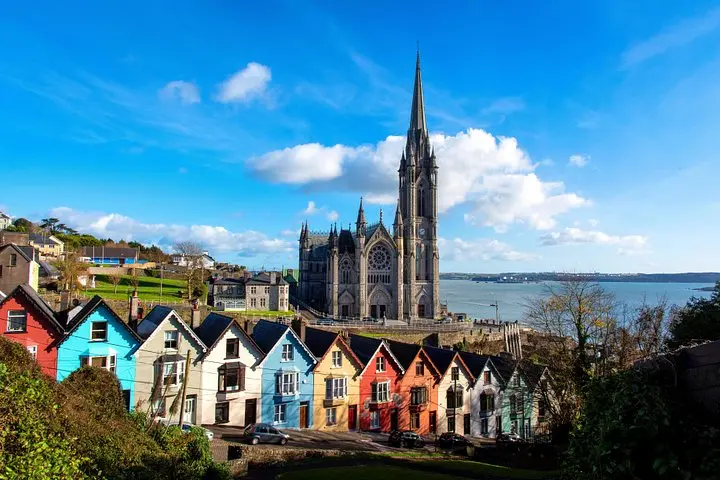
The train leaves Dublin before dawn and the country unfolds like a living map: farms streak past, low hills roll into wider folds and the Atlantic light sharpens as you approach the southwest. On day one the group steps off at Cork, wanders Blarney Castle’s gardens, and watches Cóbh’s harbor where ocean stories gather like gulls.
The train leaves Dublin before dawn and the country unfolds like a living map: farms streak past, low hills roll into wider folds and the Atlantic light sharpens as you approach the southwest. On day one the group steps off at Cork, wanders Blarney Castle’s gardens, and watches Cóbh’s harbor where ocean stories gather like gulls.
This route stitches together Ireland’s layered history—medieval castles, Victorian port towns and famine-era emigration sites—set on geology that ranges from limestone pavement in the Burren to the granite shoulders of the MacGillycuddy Reeks. The Ring of Kerry circles peninsulas and bays across roughly 179 km (111 miles), skirting Carrantuohill, the country’s 1,041 m high summit, while the Cliffs of Moher rise to about 214 m, facing a temperamental Atlantic that seems to dare you to look closer.
Culturally, expect small-town pubs, Gaelic place names and the persistent presence of seafaring life in coastal villages like Doolin and Kinvara. Naturalists will notice the Burren’s unusual wildflowers on thin soils and seabirds riding cliff thermals.
Practically: travel mixes reserved rail seats and coach transfers with two nights in local B&Bs and included breakfasts. Bring waterproof layers, sturdy shoes for uneven cliff paths, and a small daypack for camera stops. Mobility note: trains are wheelchair-friendly but coaches are not—plan accordingly. Days are long but well-paced with scheduled breaks for photos, lunches and short walks. Early check-in at Heuston Station is required; travel light, charge devices, and let the landscape set the rhythm of the trip.