THE ADVENTURE COLLECTIVE® · Independent discovery and booking for outdoor travel

Three days across East Java’s volcanic spine: a jeep ride to Bromo’s sunrise overlook, a walk across the sea of sand, and a night ascent to Ijen to see blue fire and the green crater lake. Practical details and what to expect for each leg of the trip.
Three days across East Java’s volcanic spine: a jeep ride to Bromo’s sunrise overlook, a walk across the sea of sand, and a night ascent to Ijen to see blue fire and the green crater lake. Practical details and what to expect for each leg of the trip.
You wake before dawn to a chilled wind that presses against the jeep’s windows as the vehicle climbs toward Mount Penanjakan. The horizon eases from black to slate, then a slow burn of orange spills across the Tengger caldera—Bromo’s silhouette a dark tooth against the morning light.
Verified experiences and guided adventures in the surrounding area.
Operated by Tour Bomo Malang · Malang, East Java
You wake before dawn to a chilled wind that presses against the jeep’s windows as the vehicle climbs toward Mount Penanjakan. The horizon eases from black to slate, then a slow burn of orange spills across the Tengger caldera—Bromo’s silhouette a dark tooth against the morning light.
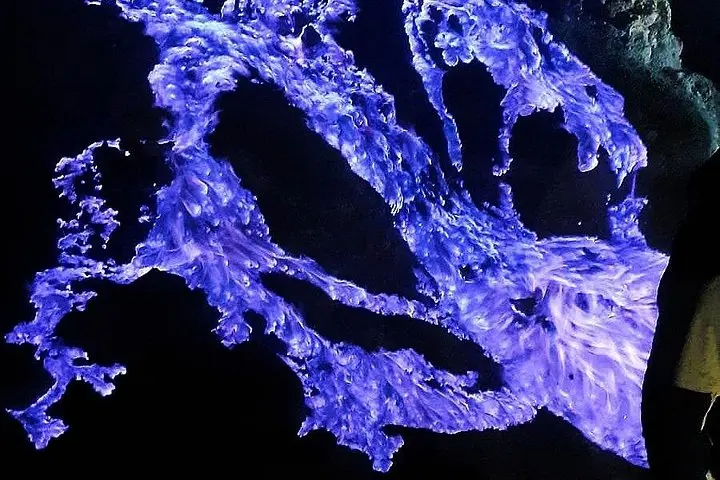
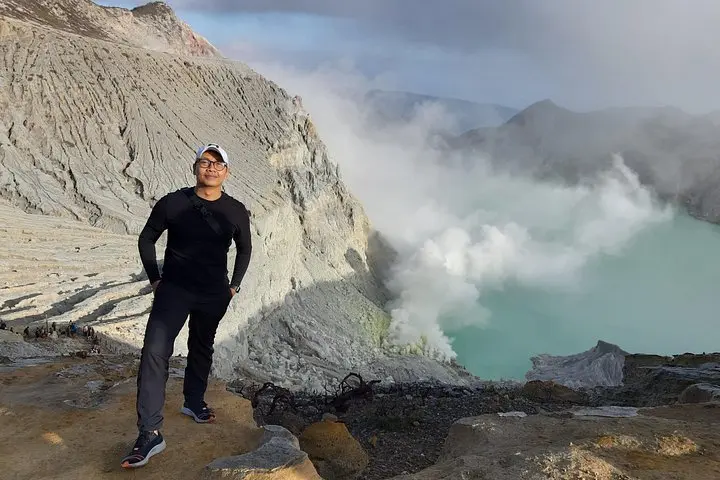
These three days pair two of East Java’s most dramatic volcanic experiences: the easy, cinematic sunrise over Bromo’s sea of sand and the nocturnal hike to Ijen’s crater for electric blue flames and a startlingly green acid lake. Bromo sits in a large caldera formed by successive collapses; locals of the Tengger community maintain Pura Luhur Poten on the crater floor, a cultural anchor in daily offerings. Ijen’s geology is younger and sulfur-rich—miners still extract mineral sulfur at the crater rim, shaping both landscape and local economy.
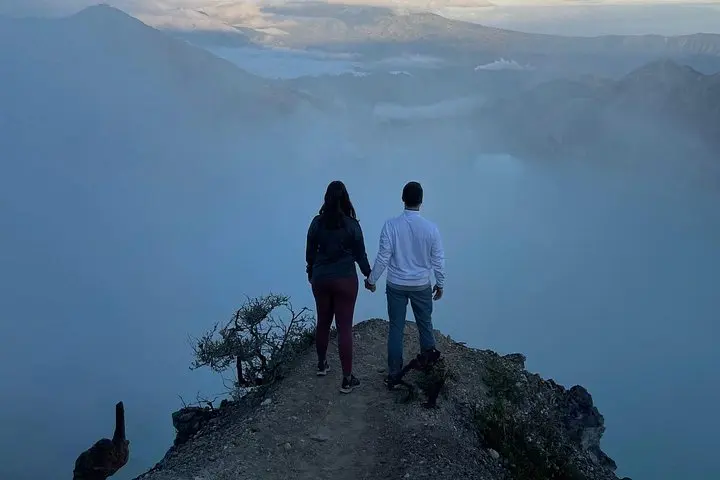
Expect cold nights, dusty jeep tracks, and short but steep walking sections—Bromo’s crater rim is accessible by foot or horse, while Ijen requires a 2–3 hour night ascent on rocky, sometimes slippery trails. Guides provide gas masks and lights; bring a headlamp and warm layers. Watch for sulfur fumes near vents and keep to the trail to protect fragile soils.
Practical rhythm: late-afternoon transfers, 02:00 wake-up for Bromo or Ijen treks, and hotel stays in the Tengger or Banyuwangi foothills. Hydrate, layer, and time your toilet break—facilities are basic on the ridge. The reward is raw, elemental: sunrise over an ancient crater and a rare blue fire that feels almost deliberate in the dark.
Blue fire is typically visible on clear nights when volcanic gases combust; a night ascent increases chances, but visibility can be affected by weather and wind.
Yes—horses are available to reach the Bromo crater rim, though the ride is short; riding conditions vary and operators may charge extra.
Local guides commonly provide simple gas masks or cloth; bringing a personal respirator rated for gases/particulates improves comfort near vents.
This tour is not recommended for pregnant travelers or those with serious respiratory or heart conditions; children should be able to handle night hikes and cold temperatures.
Tour Bomo Malang operates guided outdoor trips and adventures with an emphasis on safety, stewardship, and memorable experiences.
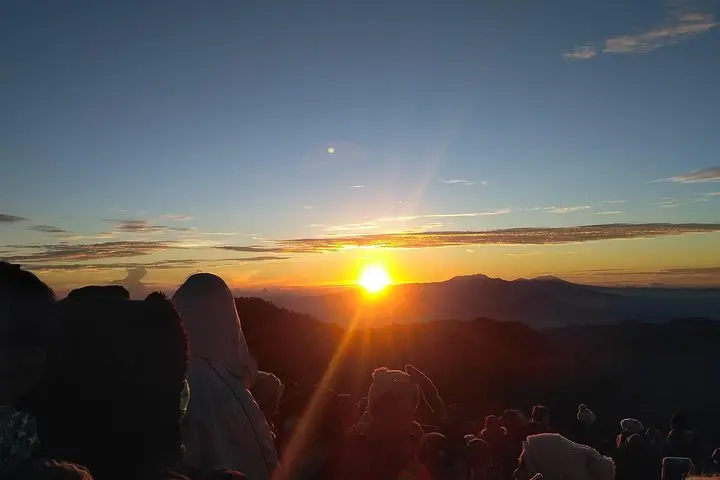
You wake before dawn to a chilled wind that presses against the jeep’s windows as the vehicle climbs toward Mount Penanjakan. The horizon eases from black to slate, then a slow burn of orange spills across the Tengger caldera—Bromo’s silhouette a dark tooth against the morning light.
You wake before dawn to a chilled wind that presses against the jeep’s windows as the vehicle climbs toward Mount Penanjakan. The horizon eases from black to slate, then a slow burn of orange spills across the Tengger caldera—Bromo’s silhouette a dark tooth against the morning light.
These three days pair two of East Java’s most dramatic volcanic experiences: the easy, cinematic sunrise over Bromo’s sea of sand and the nocturnal hike to Ijen’s crater for electric blue flames and a startlingly green acid lake. Bromo sits in a large caldera formed by successive collapses; locals of the Tengger community maintain Pura Luhur Poten on the crater floor, a cultural anchor in daily offerings. Ijen’s geology is younger and sulfur-rich—miners still extract mineral sulfur at the crater rim, shaping both landscape and local economy.
Expect cold nights, dusty jeep tracks, and short but steep walking sections—Bromo’s crater rim is accessible by foot or horse, while Ijen requires a 2–3 hour night ascent on rocky, sometimes slippery trails. Guides provide gas masks and lights; bring a headlamp and warm layers. Watch for sulfur fumes near vents and keep to the trail to protect fragile soils.
Practical rhythm: late-afternoon transfers, 02:00 wake-up for Bromo or Ijen treks, and hotel stays in the Tengger or Banyuwangi foothills. Hydrate, layer, and time your toilet break—facilities are basic on the ridge. The reward is raw, elemental: sunrise over an ancient crater and a rare blue fire that feels almost deliberate in the dark.