THE ADVENTURE COLLECTIVE® · Independent discovery and booking for outdoor travel

A compact, high-energy circuit across East Java’s dramatic landscapes: surf the sand of Bromo at sunrise, stand before the plunging wall of Tumpak Sewu, and hike into Ijen’s crater for the surreal blue fire. Early starts and rugged trails reward with unforgettable geology and culture.
A compact, high-energy circuit across East Java’s dramatic landscapes: surf the sand of Bromo at sunrise, stand before the plunging wall of Tumpak Sewu, and hike into Ijen’s crater for the surreal blue fire. Early starts and rugged trails reward with unforgettable geology and culture.
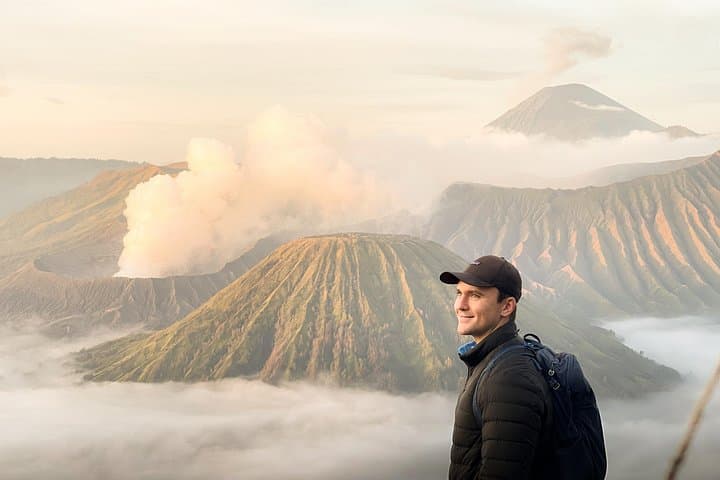
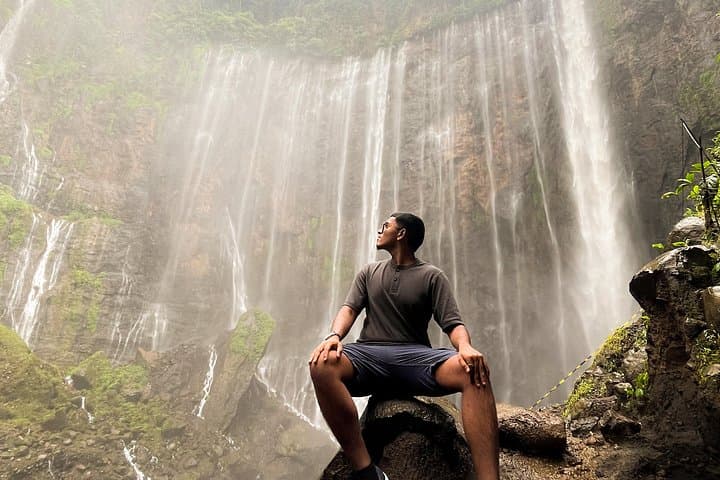
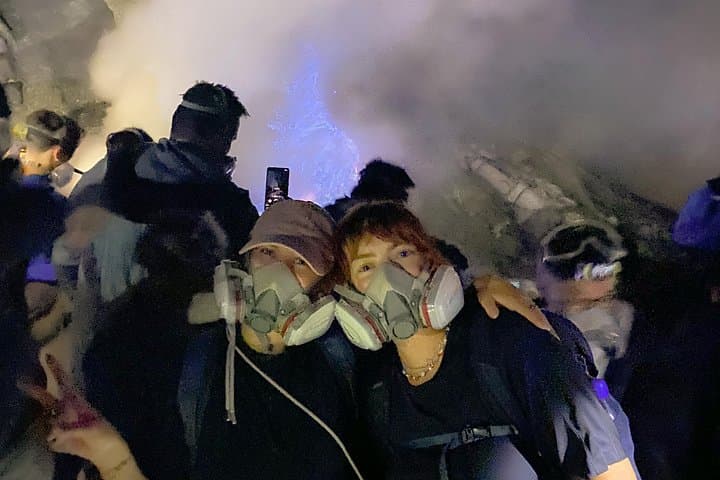
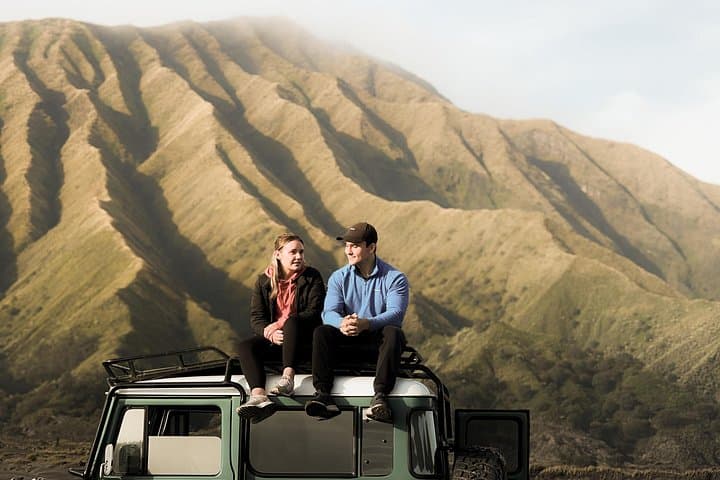
The trip begins in the dark: a 4x4 rattles up volcanic sand toward Mount Bromo while the horizon breathes color into the sky. At Tumpak Sewu the cliff face drops in a curtain of water, its river daring you to approach the misty plunge pool. By the third night the Ijen massif asks for a predawn climb, where sulfur fumes and the famous blue fire push against the black crater rims.
Verified experiences and guided adventures in the surrounding area.
Operated by Bromo With Lingkarpanorama · Probolinggo, East Java
The trip begins in the dark: a 4x4 rattles up volcanic sand toward Mount Bromo while the horizon breathes color into the sky. At Tumpak Sewu the cliff face drops in a curtain of water, its river daring you to approach the misty plunge pool. By the third night the Ijen massif asks for a predawn climb, where sulfur fumes and the famous blue fire push against the black crater rims.
This loop links three different geologies: the steep basalt amphitheater of Tumpak Sewu fed by highland rivers, the sandy Tengger caldera sculpted by Plinian eruptions at Bromo, and the acid crater lake and active sulfur workings at Ijen. Culture follows the contours—Tenggerese villages practice Hindu-Buddhist ceremonies distinct from Java’s coastal cities, and Ijen’s miners have worked the crater for generations under harsh conditions.
Expect predawn starts, dusty jeep tracks, steep short hikes and sulfur-scented air. Sunrise viewpoints like Widodaren Hill trade solitude for panoramic light; guides know quieter vantage points where crowds thin. Local meals are simple rice-and-protein breakfasts that refuel after cold, early climbs.
Practical side: acclimatize if you’re sensitive to altitude, bring a good headlamp and layers for pre-sun temperatures, and pack a respirator or bandana for Ijen’s sulfur gas. Water and cash are essential—remote parking areas and roadside stalls won’t always accept cards. With firm footwear and a willingness to move early, the three-day circuit delivers raw volcanic drama, thundering waterfall walls and the surreal glow of blue fire.
Expect early starts, short steep hikes (30–90 minutes) and long transfers by vehicle; a good fitness level and no serious cardiovascular issues are recommended.
Blue fire is most visible during dark pre-dawn hours; clear skies and minimal wind improve visibility—dry-season months (June–September) usually offer better conditions.
Local guides are recommended and often required due to safety around sulfur vents; many operators include permits and miner-area guidance in the tour package.
The crater rim involves a sandy jeep approach followed by a stair climb to the rim; physically manageable but can be strenuous with volcanic sand and crowds—allow time and go at a steady pace.
Bromo With Lingkarpanorama operates guided outdoor trips and adventures with an emphasis on safety, stewardship, and memorable experiences.
The trip begins in the dark: a 4x4 rattles up volcanic sand toward Mount Bromo while the horizon breathes color into the sky. At Tumpak Sewu the cliff face drops in a curtain of water, its river daring you to approach the misty plunge pool. By the third night the Ijen massif asks for a predawn climb, where sulfur fumes and the famous blue fire push against the black crater rims.
The trip begins in the dark: a 4x4 rattles up volcanic sand toward Mount Bromo while the horizon breathes color into the sky. At Tumpak Sewu the cliff face drops in a curtain of water, its river daring you to approach the misty plunge pool. By the third night the Ijen massif asks for a predawn climb, where sulfur fumes and the famous blue fire push against the black crater rims.
This loop links three different geologies: the steep basalt amphitheater of Tumpak Sewu fed by highland rivers, the sandy Tengger caldera sculpted by Plinian eruptions at Bromo, and the acid crater lake and active sulfur workings at Ijen. Culture follows the contours—Tenggerese villages practice Hindu-Buddhist ceremonies distinct from Java’s coastal cities, and Ijen’s miners have worked the crater for generations under harsh conditions.
Expect predawn starts, dusty jeep tracks, steep short hikes and sulfur-scented air. Sunrise viewpoints like Widodaren Hill trade solitude for panoramic light; guides know quieter vantage points where crowds thin. Local meals are simple rice-and-protein breakfasts that refuel after cold, early climbs.
Practical side: acclimatize if you’re sensitive to altitude, bring a good headlamp and layers for pre-sun temperatures, and pack a respirator or bandana for Ijen’s sulfur gas. Water and cash are essential—remote parking areas and roadside stalls won’t always accept cards. With firm footwear and a willingness to move early, the three-day circuit delivers raw volcanic drama, thundering waterfall walls and the surreal glow of blue fire.