THE ADVENTURE COLLECTIVE® · Independent discovery and booking for outdoor travel

Trace the key sites of early Buddhism in three compact days—from Varanasi’s riverfront rituals to the Mahabodhi Temple and the ancient classrooms of Nalanda. This practical guide outlines what to expect, how to prepare, and the cultural norms that shape the journey.
Trace the key sites of early Buddhism in three compact days—from Varanasi’s riverfront rituals to the Mahabodhi Temple and the ancient classrooms of Nalanda. This practical guide outlines what to expect, how to prepare, and the cultural norms that shape the journey.
Morning light breaks across the Ganges and the river seems to breathe—boats coaxed by oars dip like punctuation against steps where pilgrims move with deliberate rhythm. This three-day loop from Delhi carries you from Varanasi’s ghats to the Bodhi Tree in Bodhgaya, then over low Bihar hills to Rajgir and the ruins of Nalanda University.
Verified experiences and guided adventures in the surrounding area.
Operated by Deejohn Holidays India Tours · Bodhgaya, Bihar
Morning light breaks across the Ganges and the river seems to breathe—boats coaxed by oars dip like punctuation against steps where pilgrims move with deliberate rhythm. This three-day loop from Delhi carries you from Varanasi’s ghats to the Bodhi Tree in Bodhgaya, then over low Bihar hills to Rajgir and the ruins of Nalanda University.
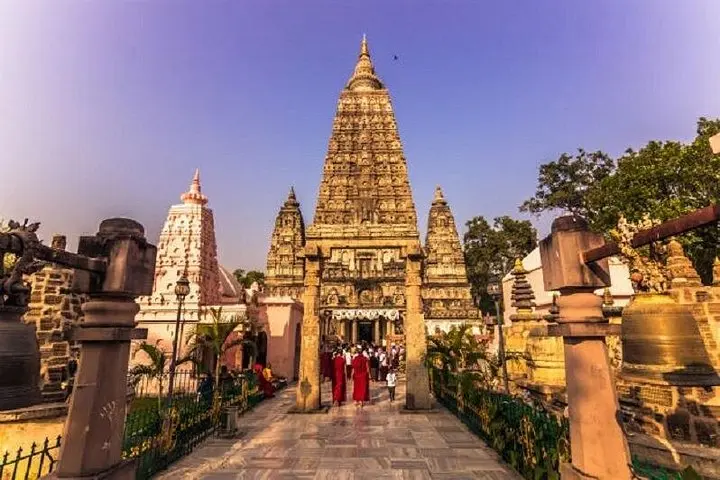
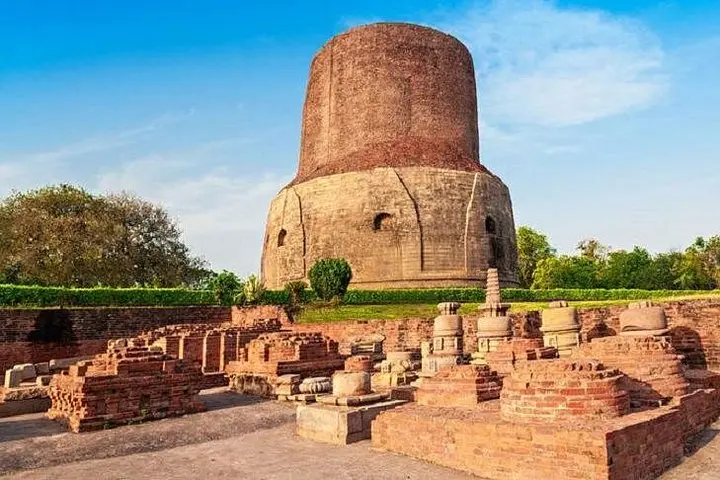
These places are living pages of South Asia’s spiritual history: Sarnath’s Dhamek Stupa marks the spot of the Buddha’s first sermon; the Mahabodhi Temple complex preserves an unbroken pilgrimage atop a geological plain of alluvial clay. Rajgir’s hot springs and the rounded escarpments of Gridhkuta recall an older landscape that shaped early routes of travel and monastic settlement. Nalanda’s ruined brick foundations reveal Asia’s first major residential university—stone libraries burned, but the ground still tells the story.
Culturally the circuit is intimate: morning chants, rusted bells, and local tea stalls where monks and farmers cross paths. Expect modest dress, quiet observation, and the soft insistence of temple caretakers who manage rituals and visitor flow.
Practical guidance: arrive for early boat rides and sunrise rituals to avoid heat and crowds; prefer public transport windows when flights land in Patna or Varanasi; carry small local currency for donations and monument fees. Footwear that slips on and off is helpful at temples; allow flexible time—traffic and road stretches between cities can extend transit. Hydrate, protect from sun, and leave space for slow moments: these sites reward presence more than speed.
Most international visitors to India require a valid visa—check the Indian government e-Visa requirements for your nationality well before travel.
Photography rules vary; many sanctums restrict photos—look for signs or ask caretakers and be prepared to refrain in inner chambers.
Walking is light to moderate: ghats, temple complexes, and archaeological sites involve stairs and uneven ground, usually 1–3 miles of walking per day.
The itinerary includes two breakfasts and 2 nights in 4-star hotels (one night each in Varanasi and Bodhgaya); other meals may be at your own expense unless specified.
Deejohn Holidays India Tours operates guided outdoor trips and adventures with an emphasis on safety, stewardship, and memorable experiences.
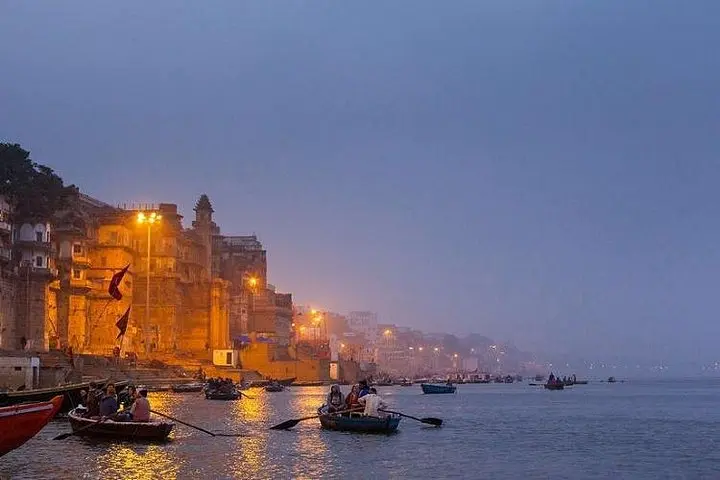
Morning light breaks across the Ganges and the river seems to breathe—boats coaxed by oars dip like punctuation against steps where pilgrims move with deliberate rhythm. This three-day loop from Delhi carries you from Varanasi’s ghats to the Bodhi Tree in Bodhgaya, then over low Bihar hills to Rajgir and the ruins of Nalanda University.
Morning light breaks across the Ganges and the river seems to breathe—boats coaxed by oars dip like punctuation against steps where pilgrims move with deliberate rhythm. This three-day loop from Delhi carries you from Varanasi’s ghats to the Bodhi Tree in Bodhgaya, then over low Bihar hills to Rajgir and the ruins of Nalanda University.
These places are living pages of South Asia’s spiritual history: Sarnath’s Dhamek Stupa marks the spot of the Buddha’s first sermon; the Mahabodhi Temple complex preserves an unbroken pilgrimage atop a geological plain of alluvial clay. Rajgir’s hot springs and the rounded escarpments of Gridhkuta recall an older landscape that shaped early routes of travel and monastic settlement. Nalanda’s ruined brick foundations reveal Asia’s first major residential university—stone libraries burned, but the ground still tells the story.
Culturally the circuit is intimate: morning chants, rusted bells, and local tea stalls where monks and farmers cross paths. Expect modest dress, quiet observation, and the soft insistence of temple caretakers who manage rituals and visitor flow.
Practical guidance: arrive for early boat rides and sunrise rituals to avoid heat and crowds; prefer public transport windows when flights land in Patna or Varanasi; carry small local currency for donations and monument fees. Footwear that slips on and off is helpful at temples; allow flexible time—traffic and road stretches between cities can extend transit. Hydrate, protect from sun, and leave space for slow moments: these sites reward presence more than speed.