THE ADVENTURE COLLECTIVE® · Independent discovery and booking for outdoor travel

A compact 3-day budget camping safari that pairs the wide-open plains of the Serengeti with the world-famous Ngorongoro Crater. Perfect for travelers wanting concentrated wildlife viewing with basic camping comforts.
A compact 3-day budget camping safari that pairs the wide-open plains of the Serengeti with the world-famous Ngorongoro Crater. Perfect for travelers wanting concentrated wildlife viewing with basic camping comforts.
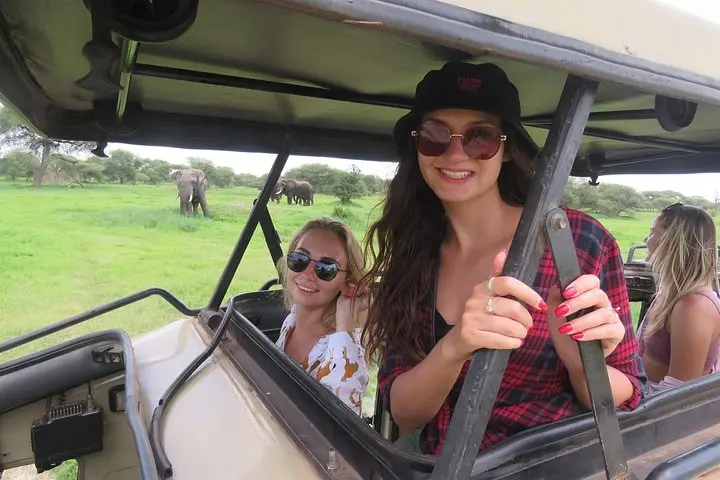
Dawn breaks over an open roof of a Toyota Land Cruiser; the horizon is a clean line of acacia and tall grass that shivers as a lone hartebeest moves through it. You ride with the engine’s steady hum, binoculars to your eyes, while the Serengeti’s plains unfold in broad, golden strokes and the Ngorongoro rim keeps its watch like a great circular wall.
Verified experiences and guided adventures in the surrounding area.
Operated by Tanzania Serengeti Safaris · Arusha, Arusha Region
Dawn breaks over an open roof of a Toyota Land Cruiser; the horizon is a clean line of acacia and tall grass that shivers as a lone hartebeest moves through it. You ride with the engine’s steady hum, binoculars to your eyes, while the Serengeti’s plains unfold in broad, golden strokes and the Ngorongoro rim keeps its watch like a great circular wall.
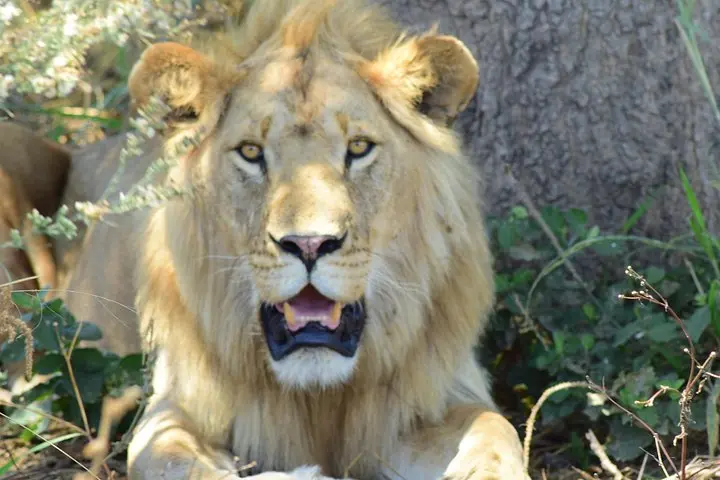
The Serengeti is an ancient savanna shaped by migration — a landscape of plains and kopjes that channels the rhythms of wildebeest and zebra. Ngorongoro is volcanic geology on display: a collapsed caldera whose crater floor traps a dense concentration of wildlife. Maasai herding culture threads these places, and the parks’ UNESCO and conservation histories explain why access is regulated and fees fund protection.
Over three days you’ll alternate long game-drive windows with evenings at a budget camp. Expect early-morning drives when predators are most active, dusty roads between ecosystems, and short walks only where permitted. Guides read animal behavior and place vehicles for viewings; camping is basic but cooked meals and hot drinks are standard after dark.
Practical notes: travel time from Arusha can be long—prepare for 4–7 hours on day one—bring layers for cold crater mornings, sun protection for midday, and rechargeable power for cameras. Respect wildlife distances, follow your guide’s briefings, and carry small cash for gratuities and incidentals. This is a compact, immersive safari designed for wildlife sightings and a raw, close-to-nature camping experience rather than luxury comforts.
Expect roughly 4–7 hours depending on route, road conditions, and stops; game viewing starts as soon as you enter park boundaries.
This itinerary lists all park fees and taxes as included, but confirm at booking and carry some cash for incidental charges or optional extras.
Budget camping here is basic: communal or individual tents, shared ablution facilities, cooked meals provided by the camp crew; bring personal toiletries and a headlamp.
Malaria risk exists in northern Tanzania—consult your healthcare provider about prophylaxis and take mosquito precautions each evening.
Tanzania Serengeti Safaris operates guided outdoor trips and adventures with an emphasis on safety, stewardship, and memorable experiences.
Dawn breaks over an open roof of a Toyota Land Cruiser; the horizon is a clean line of acacia and tall grass that shivers as a lone hartebeest moves through it. You ride with the engine’s steady hum, binoculars to your eyes, while the Serengeti’s plains unfold in broad, golden strokes and the Ngorongoro rim keeps its watch like a great circular wall.
Dawn breaks over an open roof of a Toyota Land Cruiser; the horizon is a clean line of acacia and tall grass that shivers as a lone hartebeest moves through it. You ride with the engine’s steady hum, binoculars to your eyes, while the Serengeti’s plains unfold in broad, golden strokes and the Ngorongoro rim keeps its watch like a great circular wall.
The Serengeti is an ancient savanna shaped by migration — a landscape of plains and kopjes that channels the rhythms of wildebeest and zebra. Ngorongoro is volcanic geology on display: a collapsed caldera whose crater floor traps a dense concentration of wildlife. Maasai herding culture threads these places, and the parks’ UNESCO and conservation histories explain why access is regulated and fees fund protection.
Over three days you’ll alternate long game-drive windows with evenings at a budget camp. Expect early-morning drives when predators are most active, dusty roads between ecosystems, and short walks only where permitted. Guides read animal behavior and place vehicles for viewings; camping is basic but cooked meals and hot drinks are standard after dark.
Practical notes: travel time from Arusha can be long—prepare for 4–7 hours on day one—bring layers for cold crater mornings, sun protection for midday, and rechargeable power for cameras. Respect wildlife distances, follow your guide’s briefings, and carry small cash for gratuities and incidentals. This is a compact, immersive safari designed for wildlife sightings and a raw, close-to-nature camping experience rather than luxury comforts.