THE ADVENTURE COLLECTIVE® · Independent discovery and booking for outdoor travel

Spend three days camping on a private budget safari from Arusha to Tarangire, Ngorongoro Crater and Lake Manyara. Expect game-rich drives, basic public campsites, and up-close wildlife viewing with experienced guides.
Spend three days camping on a private budget safari from Arusha to Tarangire, Ngorongoro Crater and Lake Manyara. Expect game-rich drives, basic public campsites, and up-close wildlife viewing with experienced guides.
Dawn pulls a thin gold ribbon across the savannah as a private 4x4 eases out of Arusha, heading for acacia-dotted plains where elephant herds move like slow weather. Over three days and two nights this budget camping safari places travelers inside Tanzania’s big-name parks—Tarangire, Ngorongoro Crater and Lake Manyara—living close to the rhythms of wildlife and camp routine.
Verified experiences and guided adventures in the surrounding area.
Operated by Tanzania Serengeti Safaris · Arusha, Arusha Region
Dawn pulls a thin gold ribbon across the savannah as a private 4x4 eases out of Arusha, heading for acacia-dotted plains where elephant herds move like slow weather. Over three days and two nights this budget camping safari places travelers inside Tanzania’s big-name parks—Tarangire, Ngorongoro Crater and Lake Manyara—living close to the rhythms of wildlife and camp routine.
Geology and history are part of the itinerary: Ngorongoro’s bowl is a collapsed volcanic caldera roughly 2,000–2,400 m on the rim with a floor near 1,800 m, creating a unique micro-ecosystem. Tarangire’s ancient baobabs and seasonal Silale swamp shape migration patterns, while Lake Manyara’s alkaline edge draws flocks of flamingos and tree-climbing lions. The Maasai people have grazed these plains for generations; community tourism and gate fees help fund local services and conservation.
Practical guidance is straightforward. Expect road transfers of 1.5–3 hours between parks; game drives are typically 4–6 hours with stops for photography and meals. Camping is at public sites with basic facilities—sleeping in supplied tents or bring a light sleeping pad if preferred. Nights can drop quickly at crater rim elevations, so pack layers. Carry water, sunscreen, insect repellent and a charged power bank; photography benefits from binoculars and a telephoto lens.
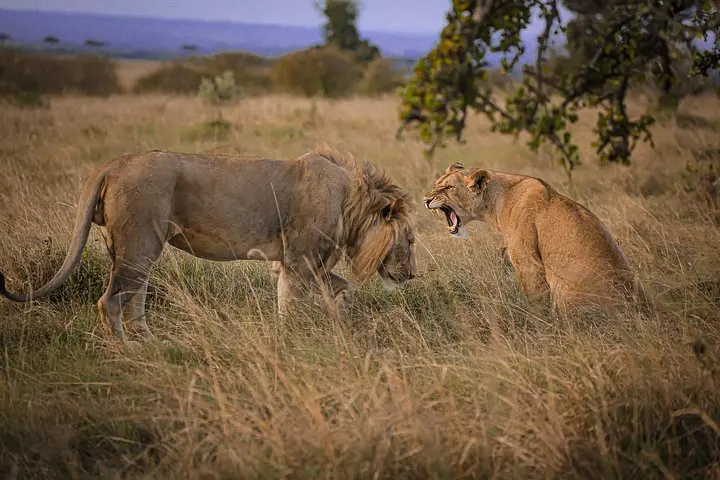
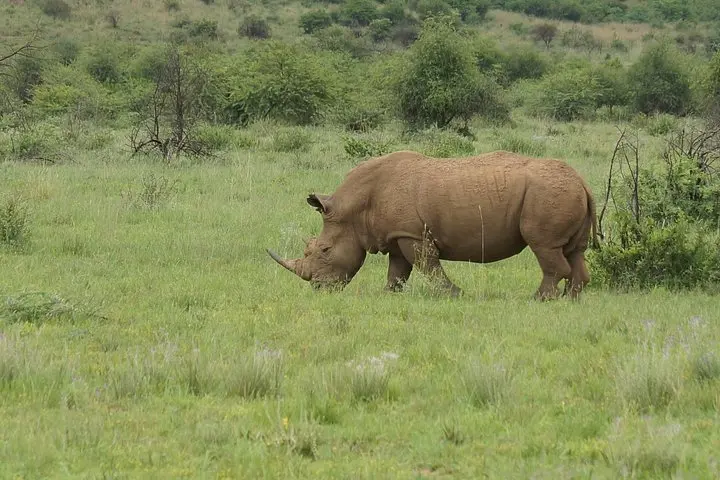
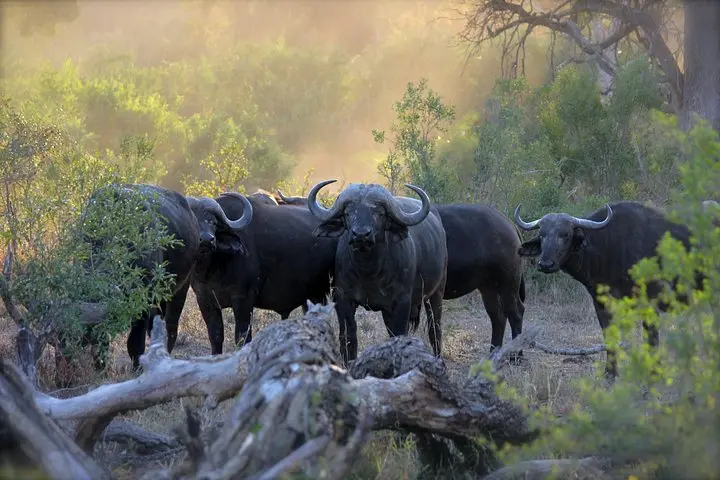
Wildlife viewing rewards patience: dawn and dusk concentrate activity. Respect park rules, maintain safe distances, and keep noise low around camps. For travelers seeking a compact, affordable immersion in northern Tanzania’s top ecosystems, this route delivers close encounters and practical logistics ideal for first-time safari goers.
Drive times vary: Arusha to Tarangire ~1.5–2 hours, Tarangire to Ngorongoro ~2–3 hours, and Ngorongoro to Lake Manyara ~1–1.5 hours depending on road conditions.
This is budget camping at public sites with basic shared facilities; tents and camp staff are provided but amenities are simple.
Itinerary notes list fees and taxes included, but confirm specifics with the operator for any optional extras or guiding supplements.
The tour is described as suitable for all fitness levels, but children and those with mobility issues should check vehicle access and campsite facilities with the operator ahead of booking.
Tanzania Serengeti Safaris operates guided outdoor trips and adventures with an emphasis on safety, stewardship, and memorable experiences.
Dawn pulls a thin gold ribbon across the savannah as a private 4x4 eases out of Arusha, heading for acacia-dotted plains where elephant herds move like slow weather. Over three days and two nights this budget camping safari places travelers inside Tanzania’s big-name parks—Tarangire, Ngorongoro Crater and Lake Manyara—living close to the rhythms of wildlife and camp routine.
Dawn pulls a thin gold ribbon across the savannah as a private 4x4 eases out of Arusha, heading for acacia-dotted plains where elephant herds move like slow weather. Over three days and two nights this budget camping safari places travelers inside Tanzania’s big-name parks—Tarangire, Ngorongoro Crater and Lake Manyara—living close to the rhythms of wildlife and camp routine.
Geology and history are part of the itinerary: Ngorongoro’s bowl is a collapsed volcanic caldera roughly 2,000–2,400 m on the rim with a floor near 1,800 m, creating a unique micro-ecosystem. Tarangire’s ancient baobabs and seasonal Silale swamp shape migration patterns, while Lake Manyara’s alkaline edge draws flocks of flamingos and tree-climbing lions. The Maasai people have grazed these plains for generations; community tourism and gate fees help fund local services and conservation.
Practical guidance is straightforward. Expect road transfers of 1.5–3 hours between parks; game drives are typically 4–6 hours with stops for photography and meals. Camping is at public sites with basic facilities—sleeping in supplied tents or bring a light sleeping pad if preferred. Nights can drop quickly at crater rim elevations, so pack layers. Carry water, sunscreen, insect repellent and a charged power bank; photography benefits from binoculars and a telephoto lens.
Wildlife viewing rewards patience: dawn and dusk concentrate activity. Respect park rules, maintain safe distances, and keep noise low around camps. For travelers seeking a compact, affordable immersion in northern Tanzania’s top ecosystems, this route delivers close encounters and practical logistics ideal for first-time safari goers.