THE ADVENTURE COLLECTIVE® · Independent discovery and booking for outdoor travel

A compact, three-day itinerary that links Kigali to Bwindi for an affordable gorilla-trekking encounter. Expect long drives, dense montane forest, and a single, closely supervised hour with wild mountain gorillas.
A compact, three-day itinerary that links Kigali to Bwindi for an affordable gorilla-trekking encounter. Expect long drives, dense montane forest, and a single, closely supervised hour with wild mountain gorillas.
Dawn breaks as the minivan threads northern Rwanda, crosses the Kyanika border and climbs toward the forested flanks of Bwindi. The road gives way to mist; the trees close in and the air cools. By the time you arrive at the park gate the forest smells of damp earth and moss — the sort of place that makes silence feel active.
Verified experiences and guided adventures in the surrounding area.
Operated by Kawira Safaris Ltd · Kisoro, Kanungu District / Western Region
Dawn breaks as the minivan threads northern Rwanda, crosses the Kyanika border and climbs toward the forested flanks of Bwindi. The road gives way to mist; the trees close in and the air cools. By the time you arrive at the park gate the forest smells of damp earth and moss — the sort of place that makes silence feel active.
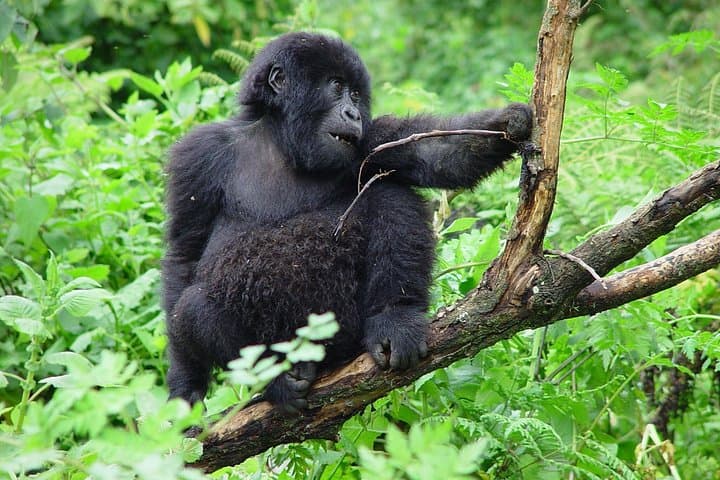
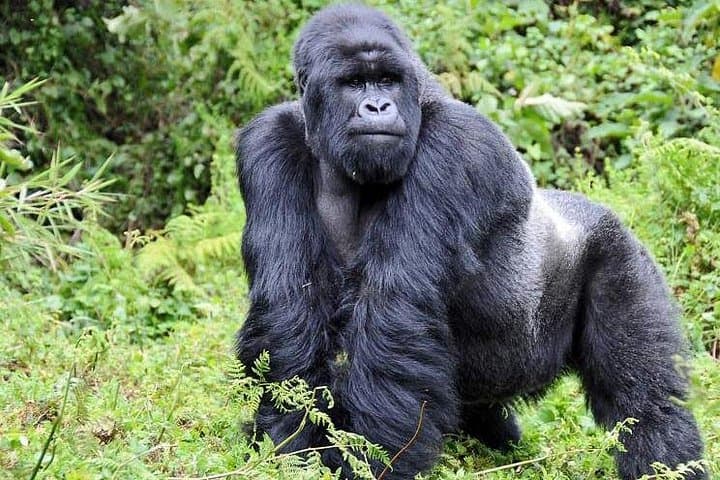
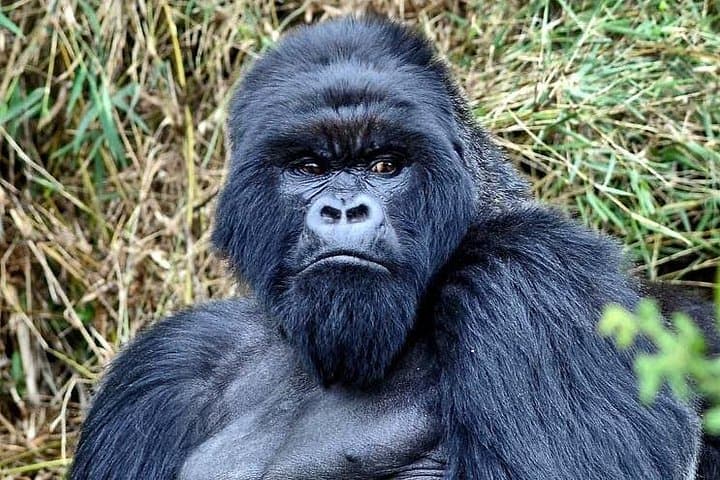
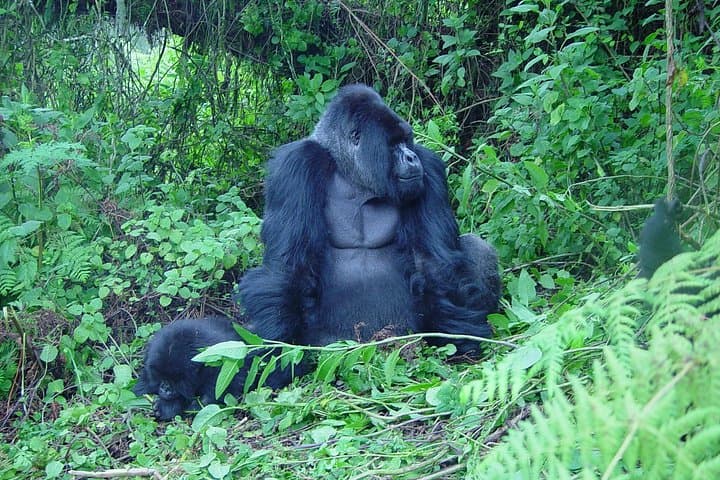
Bwindi Impenetrable National Park protects one of the last strongholds for mountain gorillas, a species confined to high-elevation, montane rainforest on the western Rift flank. The forest sits on old volcanic soils and steep ridgelines; trails can rise and fall sharply, slicing through bamboo stands and giant lobelias. The Batwa people have long cultural ties here, and ranger-guided conservation has stabilized gorilla populations since the late 20th century.
On Trek Day expect a formal briefing, a variable hike that can be as short as 30 minutes or several hours depending on gorilla movements, and a strict one-hour viewing limit once you find a family. Maintain the recommended 7-meter distance, follow your guide, and be prepared for mud, roots and sudden climbs.
Practical guidance: book permits well in advance (permits are limited), travel light on the trail, layer for rapid temperature shifts, carry 2–3 liters of water and snacks, and pack a rain shell and gaiters. Cameras are allowed but use quiet shutter settings and avoid flash. For many visitors this is a physically accessible but emotionally powerful experience — prepare practically so you can focus on the moment when the forest turns and gorillas meet your gaze.
Yes—gorilla permits are required, limited in number and should be booked in advance through Uganda Wildlife Authority or an authorized operator.
Trek time varies—finding a gorilla family can take from under an hour to several hours; once found, visits are limited to one hour.
Pregnant travelers and people with serious back or heart problems are generally advised not to trek; children’s participation depends on park and operator rules and permit policies.
Keep a 7-meter distance, minimize noise, avoid direct eye contact, do not eat near gorillas, and follow the guide’s instructions to reduce disease transmission and disturbance.
Kawira Safaris Ltd operates guided outdoor trips and adventures with an emphasis on safety, stewardship, and memorable experiences.
Dawn breaks as the minivan threads northern Rwanda, crosses the Kyanika border and climbs toward the forested flanks of Bwindi. The road gives way to mist; the trees close in and the air cools. By the time you arrive at the park gate the forest smells of damp earth and moss — the sort of place that makes silence feel active.
Dawn breaks as the minivan threads northern Rwanda, crosses the Kyanika border and climbs toward the forested flanks of Bwindi. The road gives way to mist; the trees close in and the air cools. By the time you arrive at the park gate the forest smells of damp earth and moss — the sort of place that makes silence feel active.
Bwindi Impenetrable National Park protects one of the last strongholds for mountain gorillas, a species confined to high-elevation, montane rainforest on the western Rift flank. The forest sits on old volcanic soils and steep ridgelines; trails can rise and fall sharply, slicing through bamboo stands and giant lobelias. The Batwa people have long cultural ties here, and ranger-guided conservation has stabilized gorilla populations since the late 20th century.
On Trek Day expect a formal briefing, a variable hike that can be as short as 30 minutes or several hours depending on gorilla movements, and a strict one-hour viewing limit once you find a family. Maintain the recommended 7-meter distance, follow your guide, and be prepared for mud, roots and sudden climbs.
Practical guidance: book permits well in advance (permits are limited), travel light on the trail, layer for rapid temperature shifts, carry 2–3 liters of water and snacks, and pack a rain shell and gaiters. Cameras are allowed but use quiet shutter settings and avoid flash. For many visitors this is a physically accessible but emotionally powerful experience — prepare practically so you can focus on the moment when the forest turns and gorillas meet your gaze.