THE ADVENTURE COLLECTIVE® · Independent discovery and booking for outdoor travel

Experience three days of close-range game drives in the Maasai Mara on a budget-friendly itinerary that includes evening and pre-dawn drives, picnic lunches at hippo pools, and eco-camp stays. Ideal for first-time safari-goers who want big-sky wildlife viewing without frills.
Experience three days of close-range game drives in the Maasai Mara on a budget-friendly itinerary that includes evening and pre-dawn drives, picnic lunches at hippo pools, and eco-camp stays. Ideal for first-time safari-goers who want big-sky wildlife viewing without frills.
Dawn unfurls over the Mara plains and the land wakes in long, cool breaths. A safari van with a hatched roof rolls onto a rough track; acacia shadows thin as light spills across grass that will soon host a parade of life. Game drives here are about proximity—an engine hum, a whisper of wind, and the sudden stare of a lion or a grazing wildebeest framed by endless sky.
Verified experiences and guided adventures in the surrounding area.
Operated by DRONES AFRICA SAFARIS · Narok, Narok County
Dawn unfurls over the Mara plains and the land wakes in long, cool breaths. A safari van with a hatched roof rolls onto a rough track; acacia shadows thin as light spills across grass that will soon host a parade of life. Game drives here are about proximity—an engine hum, a whisper of wind, and the sudden stare of a lion or a grazing wildebeest framed by endless sky.
The Maasai Mara was gazetted in the early 1960s and sits on the southern extension of the Serengeti ecosystem. Geologically, the reserve is wide savannah cut by seasonal rivers and low escarpments that funnel the great migration. The Maasai people remain a visible part of the landscape, tending cattle and offering village visits that reveal local customs and craftwork.
Travelers should expect early starts, long hours in a safari vehicle, and straightforward eco-camp comforts—hot showers at some camps, flushing toilets at others. Wildlife viewing is year-round; July–September brings the famous river crossings, while the hippo pools and quieter riverine woodlands reward patient observation. Guides read spoor and sun positions; park tracks are uneven and dust can be constant.
Practical tips: carry layered clothing for chilly mornings and hot afternoons, a reliable pair of binoculars, and a refillable water bottle. Respect wildlife distances and follow your guide’s directions—animals set the pace here. If you add a balloon flight or community visit, book early and confirm seasonal availability. With basic planning, this three-day loop delivers intimate wildlife moments, broad horizons, and a clear sense of why the Mara keeps calling visitors back.
Consult your doctor: routine vaccinations are recommended and malaria prophylaxis is advised for much of the Mara—take precautions against mosquitoes.
No; the hot air balloon is an optional extra that must be booked and paid for separately—availability is seasonal and limited.
Tipping is customary; typical guidance is $10–20 per person per day for guides and smaller sums for camp staff, adjusted for service quality.
Coverage is patchy inside the reserve; many camps offer limited charging and Wi‑Fi—expect intermittent connectivity and plan accordingly.
DRONES AFRICA SAFARIS operates guided outdoor trips and adventures with an emphasis on safety, stewardship, and memorable experiences.
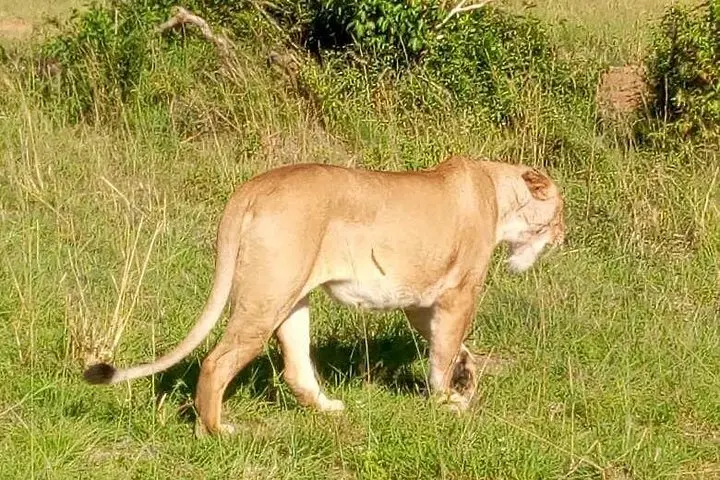
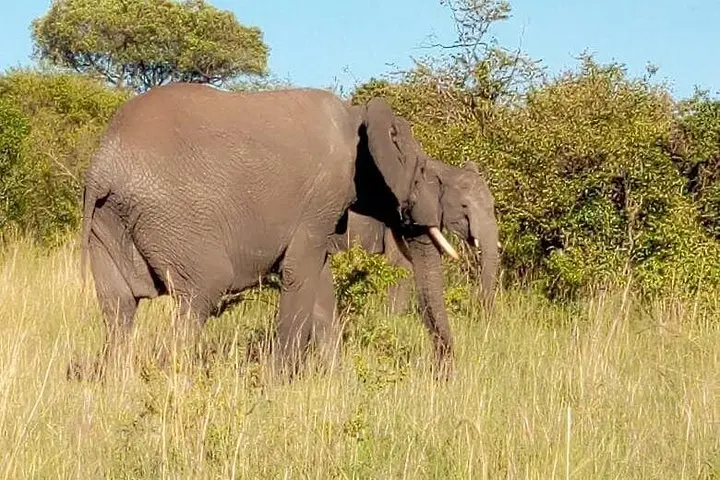
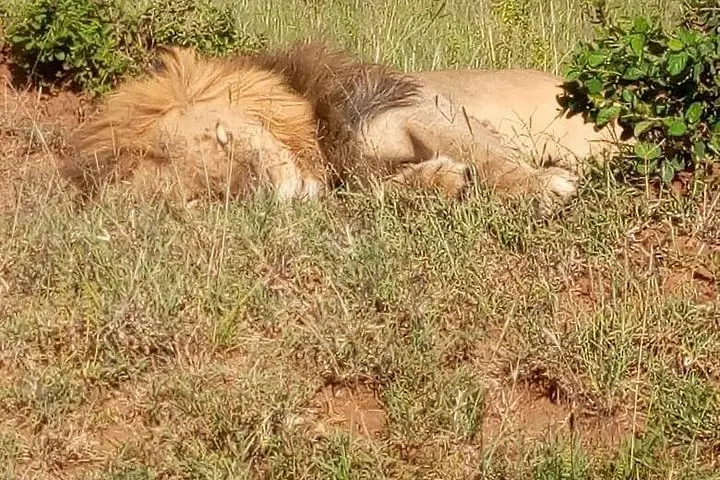
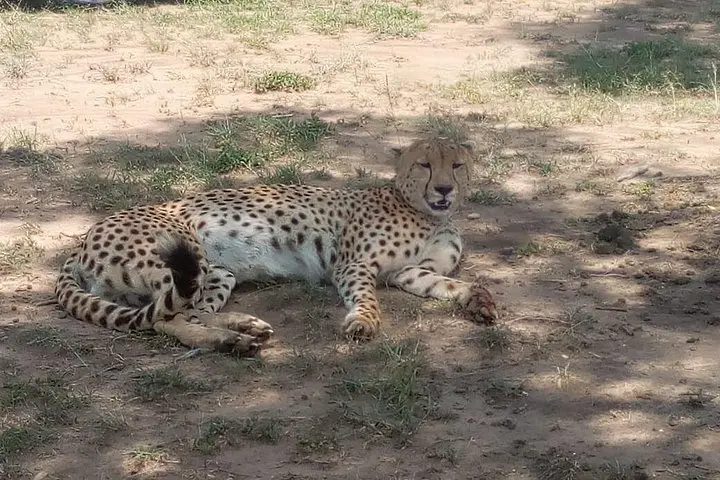
Dawn unfurls over the Mara plains and the land wakes in long, cool breaths. A safari van with a hatched roof rolls onto a rough track; acacia shadows thin as light spills across grass that will soon host a parade of life. Game drives here are about proximity—an engine hum, a whisper of wind, and the sudden stare of a lion or a grazing wildebeest framed by endless sky.
Dawn unfurls over the Mara plains and the land wakes in long, cool breaths. A safari van with a hatched roof rolls onto a rough track; acacia shadows thin as light spills across grass that will soon host a parade of life. Game drives here are about proximity—an engine hum, a whisper of wind, and the sudden stare of a lion or a grazing wildebeest framed by endless sky.
The Maasai Mara was gazetted in the early 1960s and sits on the southern extension of the Serengeti ecosystem. Geologically, the reserve is wide savannah cut by seasonal rivers and low escarpments that funnel the great migration. The Maasai people remain a visible part of the landscape, tending cattle and offering village visits that reveal local customs and craftwork.
Travelers should expect early starts, long hours in a safari vehicle, and straightforward eco-camp comforts—hot showers at some camps, flushing toilets at others. Wildlife viewing is year-round; July–September brings the famous river crossings, while the hippo pools and quieter riverine woodlands reward patient observation. Guides read spoor and sun positions; park tracks are uneven and dust can be constant.
Practical tips: carry layered clothing for chilly mornings and hot afternoons, a reliable pair of binoculars, and a refillable water bottle. Respect wildlife distances and follow your guide’s directions—animals set the pace here. If you add a balloon flight or community visit, book early and confirm seasonal availability. With basic planning, this three-day loop delivers intimate wildlife moments, broad horizons, and a clear sense of why the Mara keeps calling visitors back.