THE ADVENTURE COLLECTIVE® · Independent discovery and booking for outdoor travel

Spend three days traveling from Kampala to Bwindi for an immersive gorilla-trekking experience. Expect steep, muddy trails, a ranger-led briefing, and one hour observing habituated mountain gorillas in their ancient forest home.
Spend three days traveling from Kampala to Bwindi for an immersive gorilla-trekking experience. Expect steep, muddy trails, a ranger-led briefing, and one hour observing habituated mountain gorillas in their ancient forest home.
Mist hangs in the understory as you step off the vehicle and follow the ranger up a narrow track; the forest closes behind you—roots, lianas and damp leaf litter making each step deliberate. By midmorning the canopy filters light into green shafts and the calls of birds and distant chimp-like grunts suggest life moving through the moss. The promise of a gorilla family shapes the day: a slow, focused climb, then the sudden intimacy of a silverback lifting its head.
Verified experiences and guided adventures in the surrounding area.
Operated by Forever Africa Safari · Buhoma (Bwindi Impenetrable NP), Kanungu District
Mist hangs in the understory as you step off the vehicle and follow the ranger up a narrow track; the forest closes behind you—roots, lianas and damp leaf litter making each step deliberate. By midmorning the canopy filters light into green shafts and the calls of birds and distant chimp-like grunts suggest life moving through the moss. The promise of a gorilla family shapes the day: a slow, focused climb, then the sudden intimacy of a silverback lifting its head.
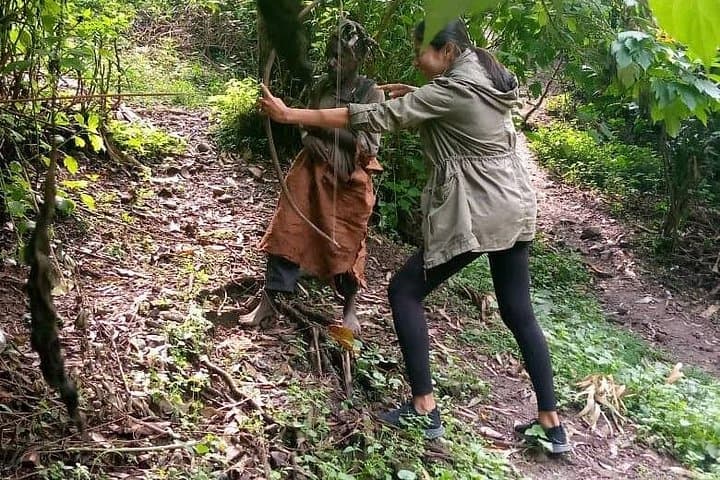
Bwindi Impenetrable National Park is one of Africa’s oldest montane forests, formally protected in the early 1990s and declared a UNESCO World Heritage Site for its biodiversity. Volcanic soils, steep ridges and persistent mist create microclimates that support endemic plants, birds and the planet’s largest concentration of mountain gorillas. Local Batwa and other communities maintain cultural ties to the forest; many lodges source food locally and offer community walks.
Practically: permits restrict viewing groups to eight and allow one hour with a habituated family. Treks vary—expect 2–8 hours on foot depending on gorilla movement, with elevation across the park ranging roughly 1,160–2,600 m. Trails are steep, often muddy, and can require scrambling through dense undergrowth. A moderate-to-high fitness level helps; guides set the pace and enforce rules to minimize stress on the animals.
Bring layered, waterproof clothing, sturdy boots and at least 2 liters of water; keep voices low, follow ranger instruction, and avoid direct contact or feeding. Book permits well in advance—slots are limited—and plan extra time for travel to and from Kampala or the nearby towns. The reward is immediate: a close, respectful encounter with one of the planet’s most intelligent and emotionally expressive species.
Yes—visitors must have an official gorilla permit for a specific day and group; permits are limited and should be booked well in advance.
Trek duration varies from about 2 to 8 hours depending on where the family is; once found visitors have one hour with the gorillas under ranger supervision.
Trekking can be physically demanding and is not recommended for those with serious spinal injuries or for pregnant travelers; children are allowed but must follow park age rules and guidelines.
Operators will advise on cancellations; many tours offer refunds or rescheduling if the park or guides deem conditions unsafe—confirm the provider’s cancellation policy at booking.
Forever Africa Safari operates guided outdoor trips and adventures with an emphasis on safety, stewardship, and memorable experiences.
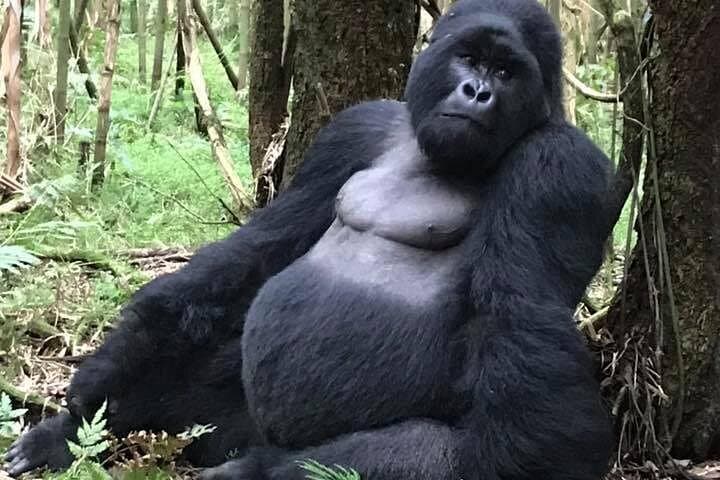
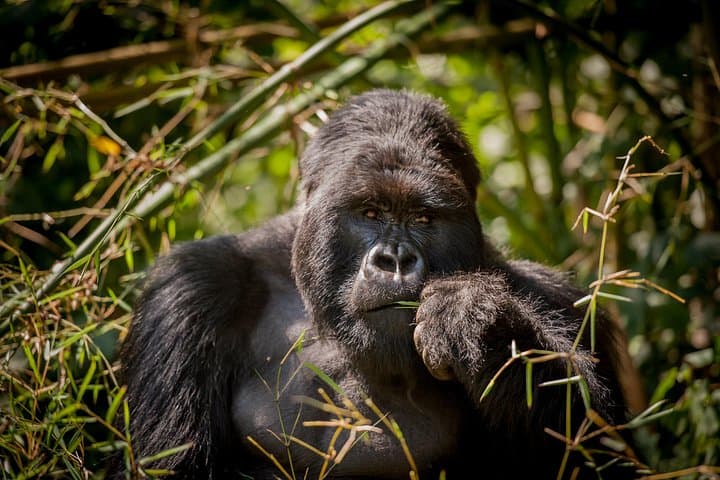
Mist hangs in the understory as you step off the vehicle and follow the ranger up a narrow track; the forest closes behind you—roots, lianas and damp leaf litter making each step deliberate. By midmorning the canopy filters light into green shafts and the calls of birds and distant chimp-like grunts suggest life moving through the moss. The promise of a gorilla family shapes the day: a slow, focused climb, then the sudden intimacy of a silverback lifting its head.
Mist hangs in the understory as you step off the vehicle and follow the ranger up a narrow track; the forest closes behind you—roots, lianas and damp leaf litter making each step deliberate. By midmorning the canopy filters light into green shafts and the calls of birds and distant chimp-like grunts suggest life moving through the moss. The promise of a gorilla family shapes the day: a slow, focused climb, then the sudden intimacy of a silverback lifting its head.
Bwindi Impenetrable National Park is one of Africa’s oldest montane forests, formally protected in the early 1990s and declared a UNESCO World Heritage Site for its biodiversity. Volcanic soils, steep ridges and persistent mist create microclimates that support endemic plants, birds and the planet’s largest concentration of mountain gorillas. Local Batwa and other communities maintain cultural ties to the forest; many lodges source food locally and offer community walks.
Practically: permits restrict viewing groups to eight and allow one hour with a habituated family. Treks vary—expect 2–8 hours on foot depending on gorilla movement, with elevation across the park ranging roughly 1,160–2,600 m. Trails are steep, often muddy, and can require scrambling through dense undergrowth. A moderate-to-high fitness level helps; guides set the pace and enforce rules to minimize stress on the animals.
Bring layered, waterproof clothing, sturdy boots and at least 2 liters of water; keep voices low, follow ranger instruction, and avoid direct contact or feeding. Book permits well in advance—slots are limited—and plan extra time for travel to and from Kampala or the nearby towns. The reward is immediate: a close, respectful encounter with one of the planet’s most intelligent and emotionally expressive species.