THE ADVENTURE COLLECTIVE® · Independent discovery and booking for outdoor travel

A compact 3-day itinerary that links Cairo’s Pyramids and Museum with Luxor’s Valley of the Kings and Karnak. Expect long days, an overnight bus between cities, and close encounters with some of Egypt’s most iconic ancient sites.
A compact 3-day itinerary that links Cairo’s Pyramids and Museum with Luxor’s Valley of the Kings and Karnak. Expect long days, an overnight bus between cities, and close encounters with some of Egypt’s most iconic ancient sites.
You step onto the Giza Plateau at first light and the stone faces of the pyramids seem to reassert their ancient gravity; wind lifts fine sand across the limestone and the Sphinx watches the road of centuries. That opening morning—close, loud, immediate—frames two days of concentrated history and long drives between the Nile’s great cities.
Verified experiences and guided adventures in the surrounding area.
Operated by Hola Egipto · Cairo, Cairo Governorate
You step onto the Giza Plateau at first light and the stone faces of the pyramids seem to reassert their ancient gravity; wind lifts fine sand across the limestone and the Sphinx watches the road of centuries. That opening morning—close, loud, immediate—frames two days of concentrated history and long drives between the Nile’s great cities.
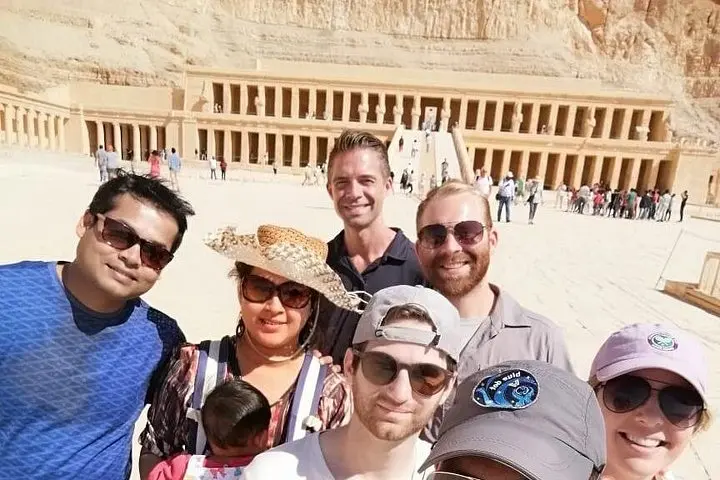
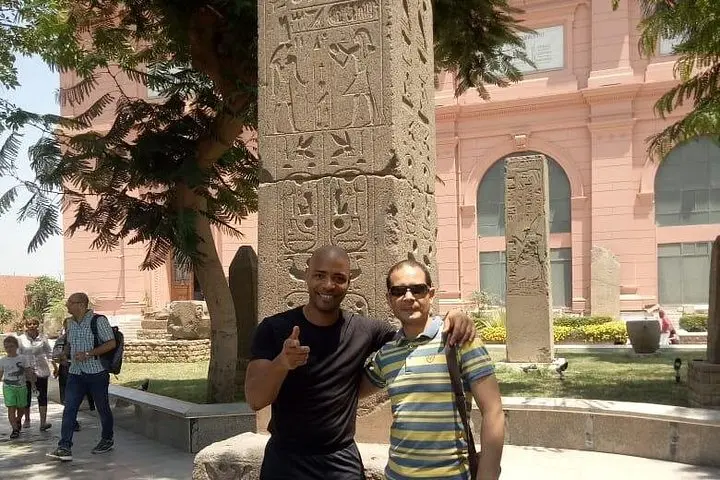
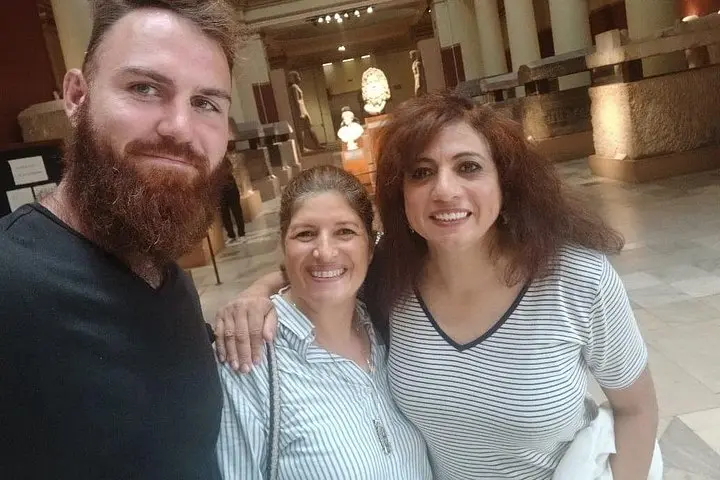
The route covers Egypt’s best-known monuments and the human stories behind them: Giza’s three major pyramids (Khufu, Khafre, Menkaure) and the Valley Temple; the Egyptian Museum’s Tutankhamen pieces; Luxor’s West Bank including the Valley of the Kings and Hatshepsut’s mortuary temple; and Karnak and Luxor Temples on the East Bank. Geologically, these sites sit on Cenozoic limestone and Nile alluvium—soft rock carved and reused over millennia—so stone surfaces and painted reliefs are remarkably old and fragile.
Culturally, guides frame funerary rites, the pharaonic calendar, and Luxor’s role as the ancient city of Thebes. Expect crowded popular sites, bargaining at stalls, and the Nile’s slow presence pulling life along its banks.
Practically: tours run long days with an overnight bus between Cairo and Luxor; pack for heat, sun, and stair-climbing in tombs. Bring photocopies of documents, local currency for entry fees and tips, comfortable closed shoes for uneven rock, and a hat and water for daytime desert stretches. Start early at monuments to avoid mid-day sun and allow time for security lines—this itinerary is dense but deliverable for travelers prepared for long days and lots of walking.
Most national monument entry fees are not included—expect to pay for site tickets on arrival unless the supplier confirms otherwise.
The overnight bus typically takes about 9–10 hours; schedules can vary depending on route and stops.
The tour notes wheelchair accessibility for transfers, but many ancient sites have uneven ground and steps; accessibility at tombs and temples is limited.
The operator offers a VIP bus or the option to upgrade to a sleeper train for an additional fee—confirm at booking.
Hola Egipto operates guided outdoor trips and adventures with an emphasis on safety, stewardship, and memorable experiences.
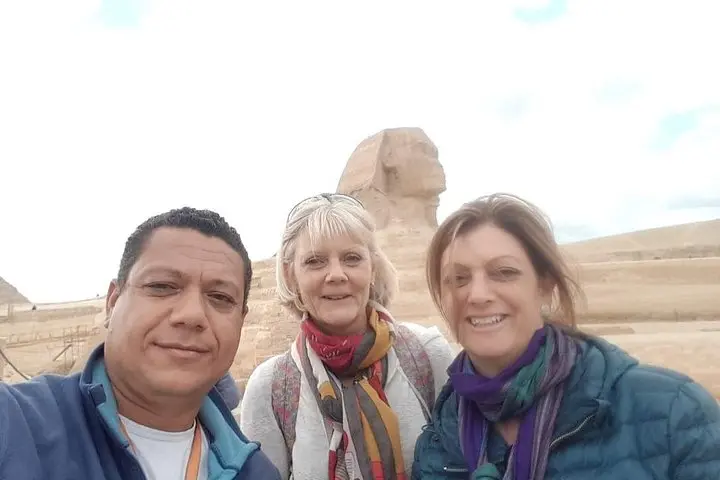
You step onto the Giza Plateau at first light and the stone faces of the pyramids seem to reassert their ancient gravity; wind lifts fine sand across the limestone and the Sphinx watches the road of centuries. That opening morning—close, loud, immediate—frames two days of concentrated history and long drives between the Nile’s great cities.
You step onto the Giza Plateau at first light and the stone faces of the pyramids seem to reassert their ancient gravity; wind lifts fine sand across the limestone and the Sphinx watches the road of centuries. That opening morning—close, loud, immediate—frames two days of concentrated history and long drives between the Nile’s great cities.
The route covers Egypt’s best-known monuments and the human stories behind them: Giza’s three major pyramids (Khufu, Khafre, Menkaure) and the Valley Temple; the Egyptian Museum’s Tutankhamen pieces; Luxor’s West Bank including the Valley of the Kings and Hatshepsut’s mortuary temple; and Karnak and Luxor Temples on the East Bank. Geologically, these sites sit on Cenozoic limestone and Nile alluvium—soft rock carved and reused over millennia—so stone surfaces and painted reliefs are remarkably old and fragile.
Culturally, guides frame funerary rites, the pharaonic calendar, and Luxor’s role as the ancient city of Thebes. Expect crowded popular sites, bargaining at stalls, and the Nile’s slow presence pulling life along its banks.
Practically: tours run long days with an overnight bus between Cairo and Luxor; pack for heat, sun, and stair-climbing in tombs. Bring photocopies of documents, local currency for entry fees and tips, comfortable closed shoes for uneven rock, and a hat and water for daytime desert stretches. Start early at monuments to avoid mid-day sun and allow time for security lines—this itinerary is dense but deliverable for travelers prepared for long days and lots of walking.