THE ADVENTURE COLLECTIVE® · Independent discovery and booking for outdoor travel

A compact three-day loop through Cao Bằng that pairs Ban Gioc Waterfall and Nguom Ngao Cave with mountain passes, Pac Bo historical sites, and two homestay nights. Expect karst cliffs, river canyons, and hands-on cultural time in remote villages.
A compact three-day loop through Cao Bằng that pairs Ban Gioc Waterfall and Nguom Ngao Cave with mountain passes, Pac Bo historical sites, and two homestay nights. Expect karst cliffs, river canyons, and hands-on cultural time in remote villages.
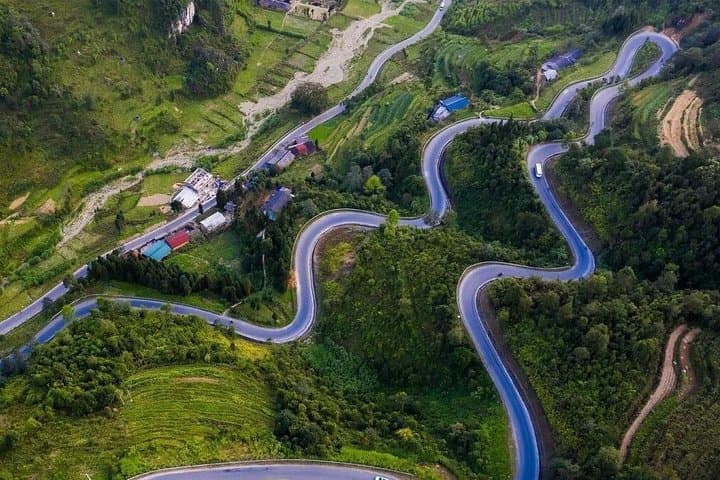
Night bus thins the Hanoi skyline to a ribbon of lights and, by dawn, the limestone spires of Cao Bằng push up from mist like sentries. You arrive groggy, trade city concrete for a homestay floor, and within hours find yourself threading bamboo forests, winding through 14 hairpins on Me Pia Pass, and standing where the Quây Sơn River hurls itself over stone at Ban Gioc.
Verified experiences and guided adventures in the surrounding area.
Operated by Local Tours SAPA · Cao Bang City, Cao Bang
Night bus thins the Hanoi skyline to a ribbon of lights and, by dawn, the limestone spires of Cao Bằng push up from mist like sentries. You arrive groggy, trade city concrete for a homestay floor, and within hours find yourself threading bamboo forests, winding through 14 hairpins on Me Pia Pass, and standing where the Quây Sơn River hurls itself over stone at Ban Gioc.
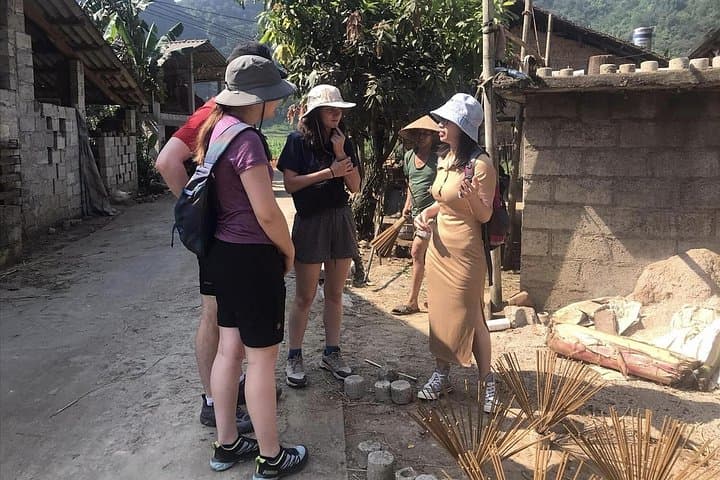
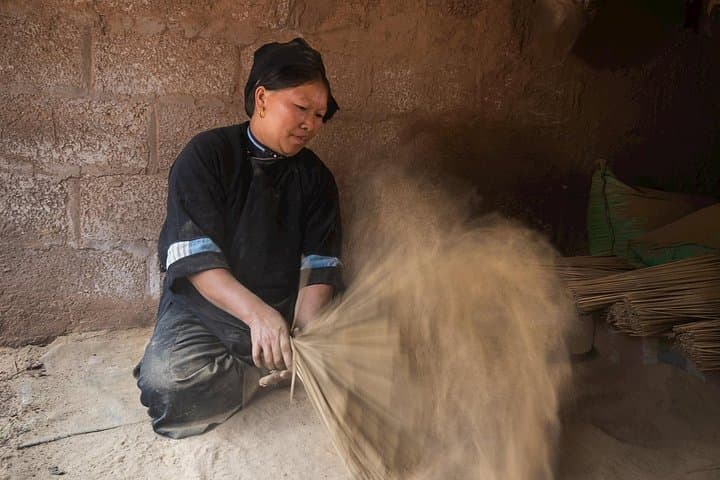
This three-day route stitches together history and geology. Pac Bo cave marks Hồ Chí Minh’s return in 1941 and sits against karst cliffs shaped over millions of years; Nguom Ngao cave runs over 2 km with dramatic stalactites carved by slow, patient water. Local Tay and Nung communities shape daily life here—home-cooked rice and river fish are as essential to the trip as the cliffs.
Expect varied terrain: paved passes and short, uneven trails to viewpoints, slippery rock near waterfalls, and cave paths with steps. Ban Gioc’s tiers plunge roughly 30 meters across broad ledges; viewpoints require easy walks and some stair-climbing. Weather changes fast—mountain air can be cool after rain and humid at lower elevations.
Practical edge: start early to avoid mid-day crowds at Ban Gioc and to catch clearer light in caves. Bring layered rain gear, sturdy shoes with grip, and cash for small village vendors. A local guide will handle permits and simplify transit between dispersed sites; the homestay nights are the best way to absorb culture and rest up for long driving stretches. This trip rewards travelers who want balanced immersion—history, geology, and hands-on local exchange—packed into three active days.
Most tours use a night sleeper bus from Hanoi that departs late evening and arrives early morning; this trip also includes bus tickets both ways.
Homestays are basic but clean and provide cooked meals and cultural exchange; expect simple bedding and shared facilities in rural areas.
No technical climbing is required—walks include uneven trails, stairs in caves, and short ascents to viewpoints; basic mobility is sufficient.
For most nationalities, no special permits are required for the Vietnamese side; carry your passport, and follow your guide’s instructions when approaching border areas.
Local Tours SAPA operates guided outdoor trips and adventures with an emphasis on safety, stewardship, and memorable experiences.

Night bus thins the Hanoi skyline to a ribbon of lights and, by dawn, the limestone spires of Cao Bằng push up from mist like sentries. You arrive groggy, trade city concrete for a homestay floor, and within hours find yourself threading bamboo forests, winding through 14 hairpins on Me Pia Pass, and standing where the Quây Sơn River hurls itself over stone at Ban Gioc.
Night bus thins the Hanoi skyline to a ribbon of lights and, by dawn, the limestone spires of Cao Bằng push up from mist like sentries. You arrive groggy, trade city concrete for a homestay floor, and within hours find yourself threading bamboo forests, winding through 14 hairpins on Me Pia Pass, and standing where the Quây Sơn River hurls itself over stone at Ban Gioc.
This three-day route stitches together history and geology. Pac Bo cave marks Hồ Chí Minh’s return in 1941 and sits against karst cliffs shaped over millions of years; Nguom Ngao cave runs over 2 km with dramatic stalactites carved by slow, patient water. Local Tay and Nung communities shape daily life here—home-cooked rice and river fish are as essential to the trip as the cliffs.
Expect varied terrain: paved passes and short, uneven trails to viewpoints, slippery rock near waterfalls, and cave paths with steps. Ban Gioc’s tiers plunge roughly 30 meters across broad ledges; viewpoints require easy walks and some stair-climbing. Weather changes fast—mountain air can be cool after rain and humid at lower elevations.
Practical edge: start early to avoid mid-day crowds at Ban Gioc and to catch clearer light in caves. Bring layered rain gear, sturdy shoes with grip, and cash for small village vendors. A local guide will handle permits and simplify transit between dispersed sites; the homestay nights are the best way to absorb culture and rest up for long driving stretches. This trip rewards travelers who want balanced immersion—history, geology, and hands-on local exchange—packed into three active days.