THE ADVENTURE COLLECTIVE® · Independent discovery and booking for outdoor travel

Three days compresss the essentials of Cappadocia: cave-suite nights, the Red and Blue tours, a sunrise-ready landscape and the subterranean mystery of Kaymakli. This guided itinerary handles logistics so you can focus on hiking, pottery and the cliffs that hold centuries of history.
Three days compresss the essentials of Cappadocia: cave-suite nights, the Red and Blue tours, a sunrise-ready landscape and the subterranean mystery of Kaymakli. This guided itinerary handles logistics so you can focus on hiking, pottery and the cliffs that hold centuries of history.
You step off the short flight and the air feels different—thinner, sun-warmed and dust-fined—like a place that has been shaped by wind and water for a very long time.
Verified experiences and guided adventures in the surrounding area.
Operated by Enka Travel · Göreme, Nevşehir Province
You step off the short flight and the air feels different—thinner, sun-warmed and dust-fined—like a place that has been shaped by wind and water for a very long time.
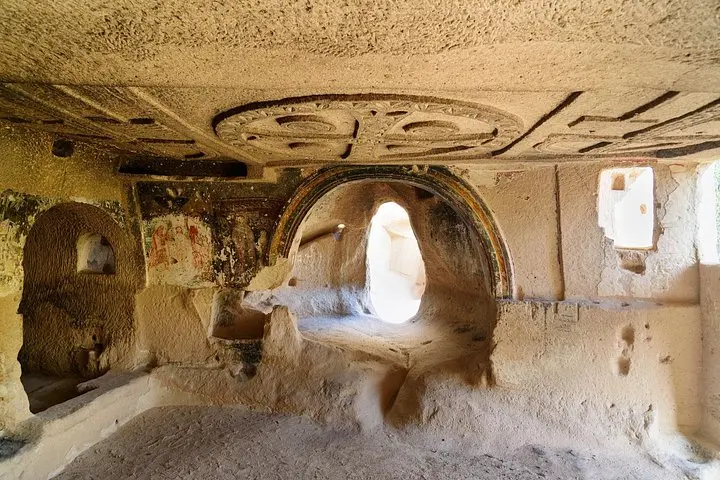
On day one the welcome is surprisingly domestic: a driver with a name card, a transfer to your cave hotel and the odd luxury of a room hewn from volcanic tuff. The stone of Cappadocia is patient; over millennia it accepted the hand of human craft and yielded dwellings, churches and storage rooms that cool in summer and hold warmth in winter.
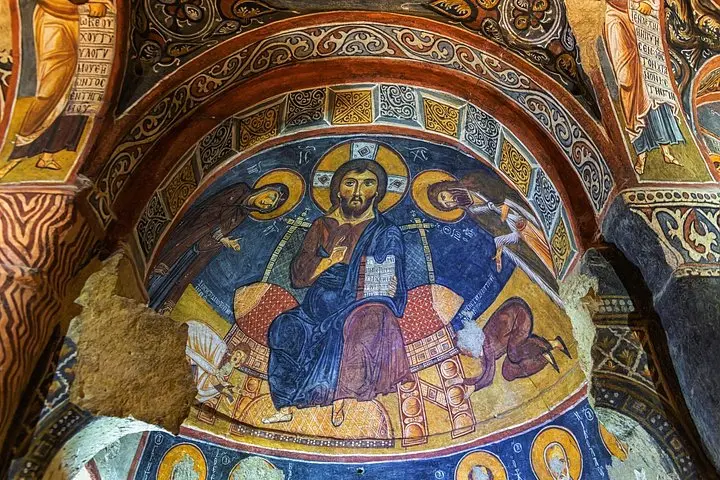
Day two drills down into geology and history. The Red Tour threads through Devrent Valley’s odd columns—imagination valley where weather carved softened basalt into animal and human-figure shapes—and Pashabagi’s three-headed fairy chimneys, where early Christian hermits carved cells and chapels out of rock. Avanos reveals the practical side of volcanic soil: pottery made from red river clay along the Kızılırmak. At Göreme Open Air Museum, Byzantine frescoes smear color across cave walls from the 9th to 13th centuries; these are not static artifacts but evidence of a landscape lived in and adapted to.
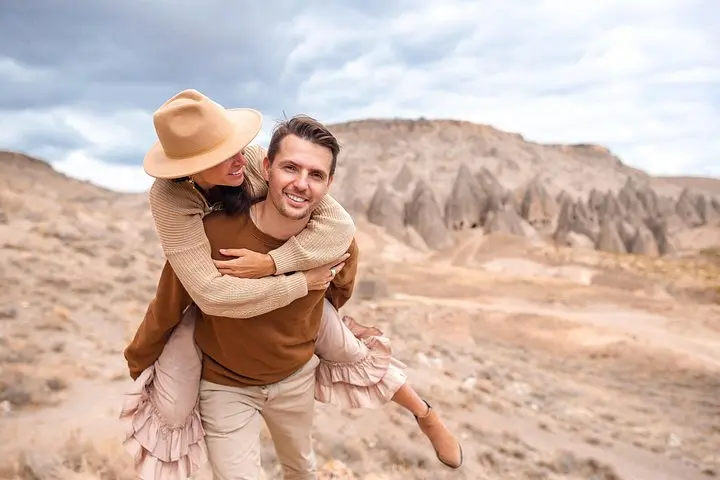
On the final day you hike the Red and Rose Valleys—roughly 4–6 km of switchback trails, loose gravel and a cumulative elevation gain near 100–200 m—where the rock seems to blush at sunset. The route converges on Çavuşin’s cave village and later the Kaymakli Underground City, a multi-level subterranean network with low tunnels, storage rooms and communal spaces carved to shelter entire communities.
Cappadocia’s culture is practical: pottery spinning on kick-wheels, dovecotes etched into cliff faces to fertilize fields, and caves reused as boutique hotels. The region sits at about 1,000–1,300 m, so mornings can be chilly even after warm afternoons; that diurnal swing shapes everything from clothing to cuisine.
Practical guidance: flights from Istanbul to Nevşehir or Kayseri are roughly 1–1.5 hours and transfers are timed to airport check-in windows. Plan for uneven terrain—sturdy shoes with confident tread and a daypack matter more than fashion. Bring a refillable water bottle (2+ liters daily in summer), sun protection, and a headlamp if you intend to explore narrow cave passages. Balloons float at dawn on calm days and are booked separately; they add an iconic perspective but are weather-dependent.
This 3-day package packages logistics—two guided day tours, two lunches, breakfasts, cave-suite lodging and return flights—into a compact itinerary that lets the landscape do the storytelling while a local guide provides the map.
No; balloon flights are optional and booked separately—weather can cancel flights, so book early and plan flexibility.
Expect 4–6 km with loose footing and 100–200 m elevation change; it’s moderate but requires steady balance and good shoes.
Flights are typically to Nevşehir Kapadokya (NAV) or Kayseri Erkilet (ASR); transfers are arranged to match flight times.
Passages are narrow with low ceilings; anyone with claustrophobia or mobility limits should plan accordingly—some areas require stooping.
Two breakfasts and two lunches are included; dinner is typically independent so you can explore local restaurants or hotel options.
Yes, minimum age is 4, but parents should consider the narrow tunnels and uneven hikes when traveling with young children.
Enka Travel operates guided outdoor trips and adventures with an emphasis on safety, stewardship, and memorable experiences.
You step off the short flight and the air feels different—thinner, sun-warmed and dust-fined—like a place that has been shaped by wind and water for a very long time.
You step off the short flight and the air feels different—thinner, sun-warmed and dust-fined—like a place that has been shaped by wind and water for a very long time.
On day one the welcome is surprisingly domestic: a driver with a name card, a transfer to your cave hotel and the odd luxury of a room hewn from volcanic tuff. The stone of Cappadocia is patient; over millennia it accepted the hand of human craft and yielded dwellings, churches and storage rooms that cool in summer and hold warmth in winter.
Day two drills down into geology and history. The Red Tour threads through Devrent Valley’s odd columns—imagination valley where weather carved softened basalt into animal and human-figure shapes—and Pashabagi’s three-headed fairy chimneys, where early Christian hermits carved cells and chapels out of rock. Avanos reveals the practical side of volcanic soil: pottery made from red river clay along the Kızılırmak. At Göreme Open Air Museum, Byzantine frescoes smear color across cave walls from the 9th to 13th centuries; these are not static artifacts but evidence of a landscape lived in and adapted to.
On the final day you hike the Red and Rose Valleys—roughly 4–6 km of switchback trails, loose gravel and a cumulative elevation gain near 100–200 m—where the rock seems to blush at sunset. The route converges on Çavuşin’s cave village and later the Kaymakli Underground City, a multi-level subterranean network with low tunnels, storage rooms and communal spaces carved to shelter entire communities.
Cappadocia’s culture is practical: pottery spinning on kick-wheels, dovecotes etched into cliff faces to fertilize fields, and caves reused as boutique hotels. The region sits at about 1,000–1,300 m, so mornings can be chilly even after warm afternoons; that diurnal swing shapes everything from clothing to cuisine.
Practical guidance: flights from Istanbul to Nevşehir or Kayseri are roughly 1–1.5 hours and transfers are timed to airport check-in windows. Plan for uneven terrain—sturdy shoes with confident tread and a daypack matter more than fashion. Bring a refillable water bottle (2+ liters daily in summer), sun protection, and a headlamp if you intend to explore narrow cave passages. Balloons float at dawn on calm days and are booked separately; they add an iconic perspective but are weather-dependent.
This 3-day package packages logistics—two guided day tours, two lunches, breakfasts, cave-suite lodging and return flights—into a compact itinerary that lets the landscape do the storytelling while a local guide provides the map.