THE ADVENTURE COLLECTIVE® · Independent discovery and booking for outdoor travel

Three days on Cat Ba combine a Lan Ha Bay cruise, kayaking and short sea swims with a day of trekking in Cat Ba National Park. Expect karst towers, fishing villages, and straightforward logistics with ferry transfers and guided hikes.
Three days on Cat Ba combine a Lan Ha Bay cruise, kayaking and short sea swims with a day of trekking in Cat Ba National Park. Expect karst towers, fishing villages, and straightforward logistics with ferry transfers and guided hikes.
A slow ferry cuts through emerald water as limestone towers push up from the sea—Lan Ha Bay dares visitors to slow down and take notice. On day one the road from Hanoi gives way to mangrove-lined harbors; the island air tastes faintly of salt and forest. Hikers step off the van at the gate of Cat Ba National Park and begin a steady, humid climb toward Ngu Lam peak where the island’s interior opens into broad views across the bay.
Verified experiences and guided adventures in the surrounding area.
Operated by BCFamilyTour.com · Cat Ba, Hai Phong
A slow ferry cuts through emerald water as limestone towers push up from the sea—Lan Ha Bay dares visitors to slow down and take notice. On day one the road from Hanoi gives way to mangrove-lined harbors; the island air tastes faintly of salt and forest. Hikers step off the van at the gate of Cat Ba National Park and begin a steady, humid climb toward Ngu Lam peak where the island’s interior opens into broad views across the bay.
Cat Ba is the largest island in the Halong Bay complex and its geology is classic karst: steep limestone towers, caves carved by millennia of sea and rain, and narrow valleys that channel seasonal streams. Human settlements here trace back through centuries of fishing villages like Cai Beo; Viet Hai preserves traditional stilted houses and a slower pace of life. The island’s forests support rare fauna — the critically endangered white-headed langur is native to nearby karst outcrops — and local culture mixes boat-working livelihoods with growing eco-tourism.
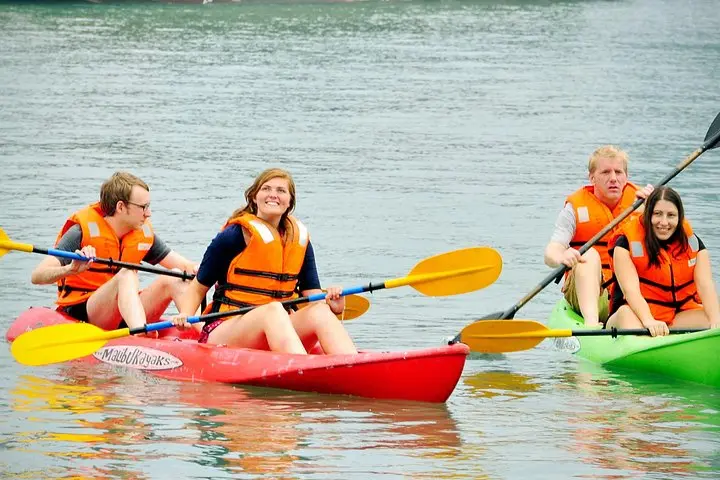
Practically, expect mixed terrain: paved roads, singletrack forest trails with sections of loose rock, and flat boat decks for cruising. Days alternate between hiking (1–3 hour climbs), kayaking and open-water swims in Lan Ha Bay, and short electric-car or bicycle rides through Viet Hai. Bring quick-dry layers, reef-safe sunscreen, and a dry bag for electronics. Timing is everything: early mornings and late afternoons deliver calmer seas and softer light for photos. Guides handle logistics—transfers, ferries, and most meals—so travelers can focus on moving between sea and forest with minimal fuss.
You don’t need to be an expert swimmer for the cruise or guided kayaking—life jackets are provided and guides assign activities based on ability.
Admission to Cat Ba National Park is typically included in guided itineraries described as "admission included" for specific stops—confirm at booking.
Most operators provide shared minivan transfers to Hai Phong, a ferry to Cat Ba, and return transport; pickup from Hanoi Old Quarter is common.
Yes—Viet Hai can be reached by electric car, bicycle, or a mostly flat trail suitable for casual walkers; options depend on group itinerary.
BCFamilyTour.com operates guided outdoor trips and adventures with an emphasis on safety, stewardship, and memorable experiences.
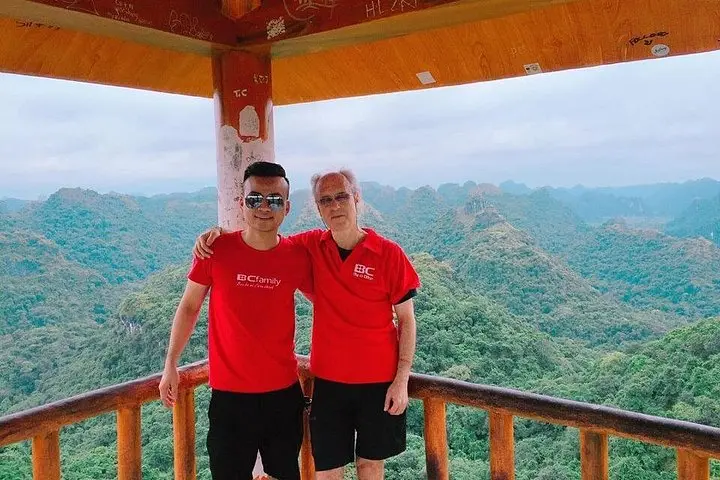
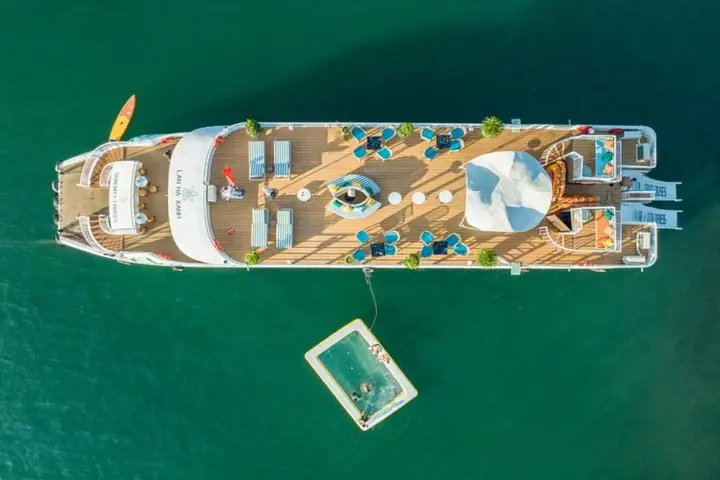

A slow ferry cuts through emerald water as limestone towers push up from the sea—Lan Ha Bay dares visitors to slow down and take notice. On day one the road from Hanoi gives way to mangrove-lined harbors; the island air tastes faintly of salt and forest. Hikers step off the van at the gate of Cat Ba National Park and begin a steady, humid climb toward Ngu Lam peak where the island’s interior opens into broad views across the bay.
A slow ferry cuts through emerald water as limestone towers push up from the sea—Lan Ha Bay dares visitors to slow down and take notice. On day one the road from Hanoi gives way to mangrove-lined harbors; the island air tastes faintly of salt and forest. Hikers step off the van at the gate of Cat Ba National Park and begin a steady, humid climb toward Ngu Lam peak where the island’s interior opens into broad views across the bay.
Cat Ba is the largest island in the Halong Bay complex and its geology is classic karst: steep limestone towers, caves carved by millennia of sea and rain, and narrow valleys that channel seasonal streams. Human settlements here trace back through centuries of fishing villages like Cai Beo; Viet Hai preserves traditional stilted houses and a slower pace of life. The island’s forests support rare fauna — the critically endangered white-headed langur is native to nearby karst outcrops — and local culture mixes boat-working livelihoods with growing eco-tourism.
Practically, expect mixed terrain: paved roads, singletrack forest trails with sections of loose rock, and flat boat decks for cruising. Days alternate between hiking (1–3 hour climbs), kayaking and open-water swims in Lan Ha Bay, and short electric-car or bicycle rides through Viet Hai. Bring quick-dry layers, reef-safe sunscreen, and a dry bag for electronics. Timing is everything: early mornings and late afternoons deliver calmer seas and softer light for photos. Guides handle logistics—transfers, ferries, and most meals—so travelers can focus on moving between sea and forest with minimal fuss.