THE ADVENTURE COLLECTIVE® · Independent discovery and booking for outdoor travel

Three days of highland Chiapas moves from colonial streets to thunderous waterfalls and cobalt lakes, with indigenous villages rounding out a compact cultural and natural circuit. Expect road travel, short hikes, and market-side craft demonstrations.
Three days of highland Chiapas moves from colonial streets to thunderous waterfalls and cobalt lakes, with indigenous villages rounding out a compact cultural and natural circuit. Expect road travel, short hikes, and market-side craft demonstrations.
Morning light slices between narrow colonial streets as travelers gather at AL Grano in San Cristóbal de las Casas, a highland town of red-tiled roofs and brisk mountain air. Over three days the route moves from cobbled plazas and artisan workshops to the thunder of El Chiflón (“Velo de Novia”) and the glassy blue pools of Lagunas de Montebello, finishing with the living traditions of San Juan Chamula and Zinacantán.
Verified experiences and guided adventures in the surrounding area.
Operated by Jalapeno Tours · San Cristóbal de las Casas, Chiapas
Morning light slices between narrow colonial streets as travelers gather at AL Grano in San Cristóbal de las Casas, a highland town of red-tiled roofs and brisk mountain air. Over three days the route moves from cobbled plazas and artisan workshops to the thunder of El Chiflón (“Velo de Novia”) and the glassy blue pools of Lagunas de Montebello, finishing with the living traditions of San Juan Chamula and Zinacantán.
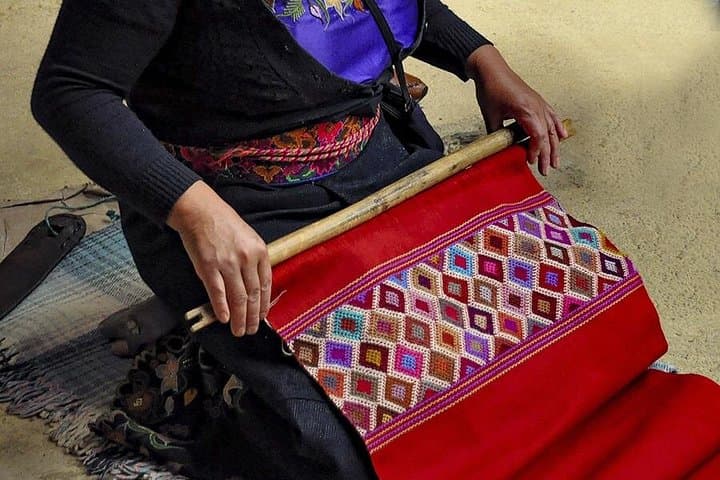
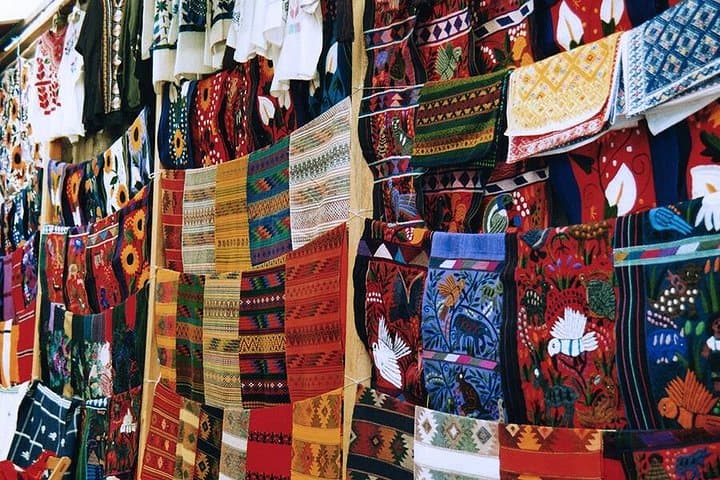
Geology here is honest and exposed: folded limestones and volcanic soils create steep canyons that feed powerful cascades and dozens of karstic lakes. Culturally the highlands are Tzotzil and Tzeltal country—church rituals in Chamula combine Catholic and indigenous practice, while Zinacantán remains known for backstrap loom textiles.
Expect a balance of road travel (mostly paved highways with short gravel spurs), short trails at waterfalls and lake viewpoints, and light walking through villages. Altitude sits around 2,100–2,300 m in San Cristóbal, so mornings are cool and afternoons can warm quickly. Bring sturdy footwear for damp, uneven paths; pack layers for temperature swings and rain protection during the wet season.
Practical rhythm: day one is arrival and free afternoon; day two is an early departure to El Chiflón and Montebello with set visiting windows and optional swims; day three visits Chamula and Zinacantán before returning. Facilities vary—basic lunches available at lakes, and public restrooms are common at main stops. Travel windows are tight; arrive 15 minutes early to the meeting point and keep IDs handy for hotel check-in and site admissions.
The official meeting point is AL Grano Cafeteria in San Cristóbal de las Casas—staff will contact you there or via the provided hotline.
The package includes two nights in a budget hotel (Tepeyac or similar) and shared transportation; some site tickets are included but lunches at lakes or villages are typically not covered.
Infants are permitted but must sit on an adult’s lap for transport; the itinerary involves outdoor walking and stairs, so consider mobility and tolerance for long days.
San Cristóbal sits around 2,100–2,300 m—most visitors manage fine with hydration, light activity on arrival, and avoiding excessive alcohol on the first night.
Jalapeno Tours operates guided outdoor trips and adventures with an emphasis on safety, stewardship, and memorable experiences.
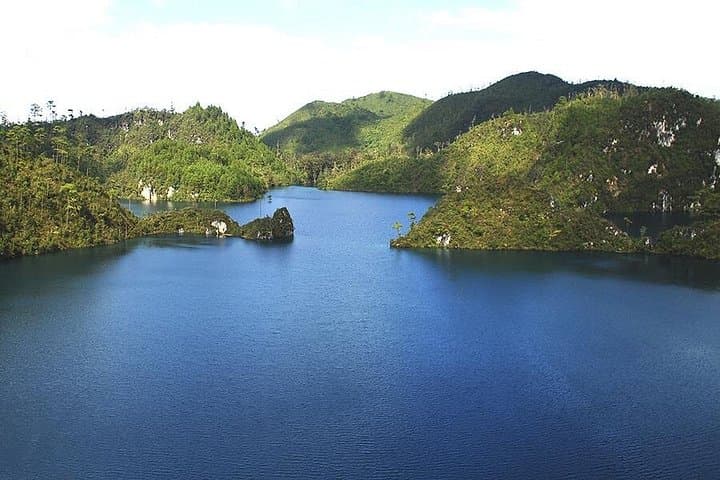
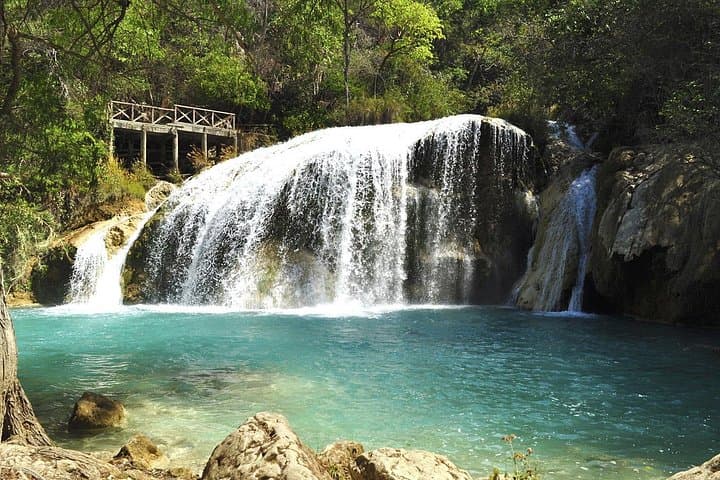
Morning light slices between narrow colonial streets as travelers gather at AL Grano in San Cristóbal de las Casas, a highland town of red-tiled roofs and brisk mountain air. Over three days the route moves from cobbled plazas and artisan workshops to the thunder of El Chiflón (“Velo de Novia”) and the glassy blue pools of Lagunas de Montebello, finishing with the living traditions of San Juan Chamula and Zinacantán.
Morning light slices between narrow colonial streets as travelers gather at AL Grano in San Cristóbal de las Casas, a highland town of red-tiled roofs and brisk mountain air. Over three days the route moves from cobbled plazas and artisan workshops to the thunder of El Chiflón (“Velo de Novia”) and the glassy blue pools of Lagunas de Montebello, finishing with the living traditions of San Juan Chamula and Zinacantán.
Geology here is honest and exposed: folded limestones and volcanic soils create steep canyons that feed powerful cascades and dozens of karstic lakes. Culturally the highlands are Tzotzil and Tzeltal country—church rituals in Chamula combine Catholic and indigenous practice, while Zinacantán remains known for backstrap loom textiles.
Expect a balance of road travel (mostly paved highways with short gravel spurs), short trails at waterfalls and lake viewpoints, and light walking through villages. Altitude sits around 2,100–2,300 m in San Cristóbal, so mornings are cool and afternoons can warm quickly. Bring sturdy footwear for damp, uneven paths; pack layers for temperature swings and rain protection during the wet season.
Practical rhythm: day one is arrival and free afternoon; day two is an early departure to El Chiflón and Montebello with set visiting windows and optional swims; day three visits Chamula and Zinacantán before returning. Facilities vary—basic lunches available at lakes, and public restrooms are common at main stops. Travel windows are tight; arrive 15 minutes early to the meeting point and keep IDs handy for hotel check-in and site admissions.