THE ADVENTURE COLLECTIVE® · Independent discovery and booking for outdoor travel

Traverse the world’s highest navigable lake on this compact 3-day Puno tour: reed islands of the Uros, textile-rich Taquile, and the chullpa towers of Sillustani. Expect high-altitude scenery, hands-on cultural encounters, and practical logistics geared for travelers.
Traverse the world’s highest navigable lake on this compact 3-day Puno tour: reed islands of the Uros, textile-rich Taquile, and the chullpa towers of Sillustani. Expect high-altitude scenery, hands-on cultural encounters, and practical logistics geared for travelers.
High on the Andean plateau, the water of Lake Titicaca spreads like a cool, challenging horizon —silver by morning, wind-scored by afternoon. On day one you arrive in Puno after a transfer from Juliaca; the town’s stone streets and thin air are the first clues that this is a high-altitude journey.
Verified experiences and guided adventures in the surrounding area.
Operated by Tangol · Puno, Puno
High on the Andean plateau, the water of Lake Titicaca spreads like a cool, challenging horizon —silver by morning, wind-scored by afternoon. On day one you arrive in Puno after a transfer from Juliaca; the town’s stone streets and thin air are the first clues that this is a high-altitude journey.
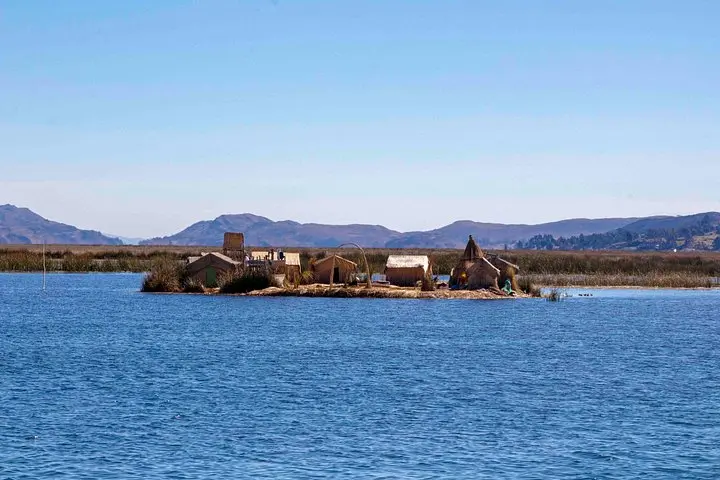
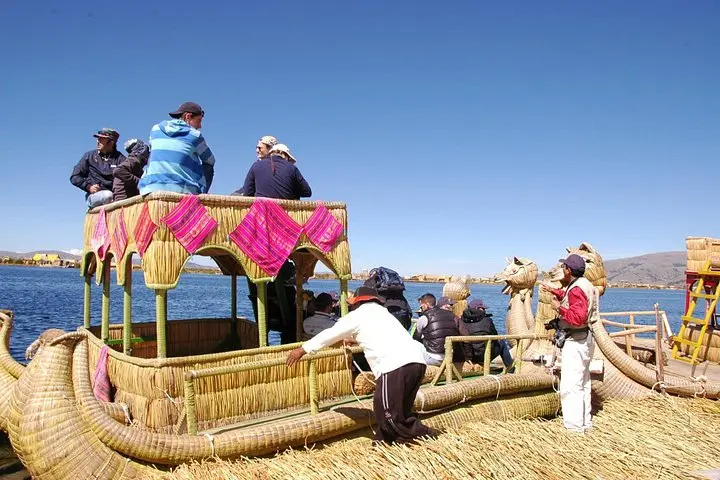
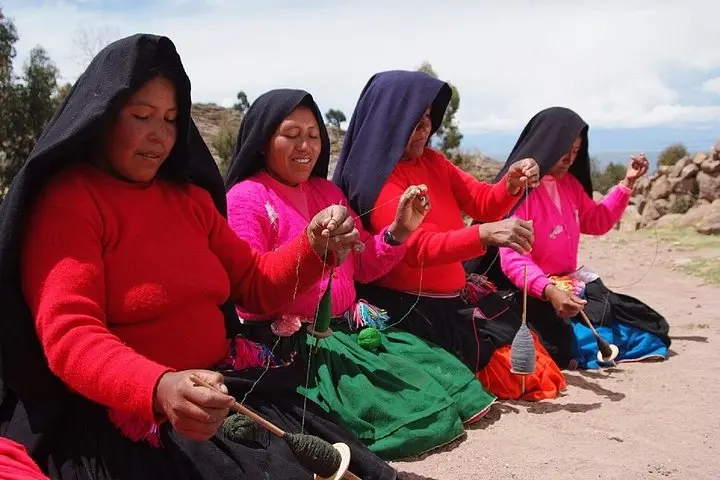
Day two centers on the lake itself. The Uros floating islands —bundles of totora reed lashed into living platforms—offer a direct lesson in human adaptation: families continue reed-weaving and fishing using techniques centuries old. A short boat ride takes you to Taquile, where Quechua-speaking islanders maintain textile traditions and invite you to a communal lunch with elevated lake views.
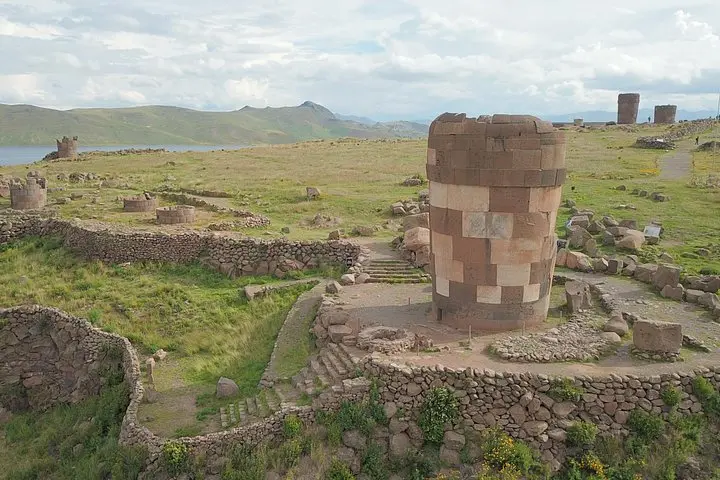
The final morning routes inland to Sillustani, where squat funerary towers (chullpas) punctuate windswept grasslands above Lake Umayo. The stonework tells of pre-Inca Colla craftsmanship and a landscape shaped by glacial carving and high-altitude lakes.
Practical guidance: this itinerary is classified easy in activity but occurs at 3,800–3,800+ meters; allow 24–48 hours of acclimatization, hydrate, and avoid heavy exertion on arrival. Expect basic three-star hotels in Puno, shared boats to islands, and guided transfers to/from Juliaca airport. Layered clothing, sunscreen, and a sun hat are non-negotiable — UV at altitude is strong, and temperatures swing rapidly. Bring local currency for small purchases and tips; respect island rules on photography and buying handicrafts directly from makers. With attentive pacing and simple preparation, the Classic Puno Tour is a compact, culturally rich window into one of South America’s most singular highland lake landscapes.
Yes — Lake Titicaca sits around 3,800 m. Acclimatize for 24–48 hours, stay hydrated, avoid alcohol on arrival, and consider talking to your doctor about medication if you have prior issues.
Operators use standard boats for short crossings; lifejackets are provided but check with the operator if traveling with infants or mobility concerns.
Peruvian soles are standard; Spanish and Quechua or Aymara are commonly spoken on the islands. Credit cards are limited on islands so carry cash.
Tipping is appreciated for guides and boat crews; a modest tip after a good service is customary and supports local livelihoods.
Tangol operates guided outdoor trips and adventures with an emphasis on safety, stewardship, and memorable experiences.
High on the Andean plateau, the water of Lake Titicaca spreads like a cool, challenging horizon —silver by morning, wind-scored by afternoon. On day one you arrive in Puno after a transfer from Juliaca; the town’s stone streets and thin air are the first clues that this is a high-altitude journey.
High on the Andean plateau, the water of Lake Titicaca spreads like a cool, challenging horizon —silver by morning, wind-scored by afternoon. On day one you arrive in Puno after a transfer from Juliaca; the town’s stone streets and thin air are the first clues that this is a high-altitude journey.
Day two centers on the lake itself. The Uros floating islands —bundles of totora reed lashed into living platforms—offer a direct lesson in human adaptation: families continue reed-weaving and fishing using techniques centuries old. A short boat ride takes you to Taquile, where Quechua-speaking islanders maintain textile traditions and invite you to a communal lunch with elevated lake views.
The final morning routes inland to Sillustani, where squat funerary towers (chullpas) punctuate windswept grasslands above Lake Umayo. The stonework tells of pre-Inca Colla craftsmanship and a landscape shaped by glacial carving and high-altitude lakes.
Practical guidance: this itinerary is classified easy in activity but occurs at 3,800–3,800+ meters; allow 24–48 hours of acclimatization, hydrate, and avoid heavy exertion on arrival. Expect basic three-star hotels in Puno, shared boats to islands, and guided transfers to/from Juliaca airport. Layered clothing, sunscreen, and a sun hat are non-negotiable — UV at altitude is strong, and temperatures swing rapidly. Bring local currency for small purchases and tips; respect island rules on photography and buying handicrafts directly from makers. With attentive pacing and simple preparation, the Classic Puno Tour is a compact, culturally rich window into one of South America’s most singular highland lake landscapes.