THE ADVENTURE COLLECTIVE® · Independent discovery and booking for outdoor travel

Descend into Colca Canyon over three days, moving from Arequipa’s high plains to Sangalle’s palm-shaded pools and finishing in Puno. Expect steep ascents, traditional homestays, hot springs, and daily views of condors and Andean volcanoes.
Descend into Colca Canyon over three days, moving from Arequipa’s high plains to Sangalle’s palm-shaded pools and finishing in Puno. Expect steep ascents, traditional homestays, hot springs, and daily views of condors and Andean volcanoes.
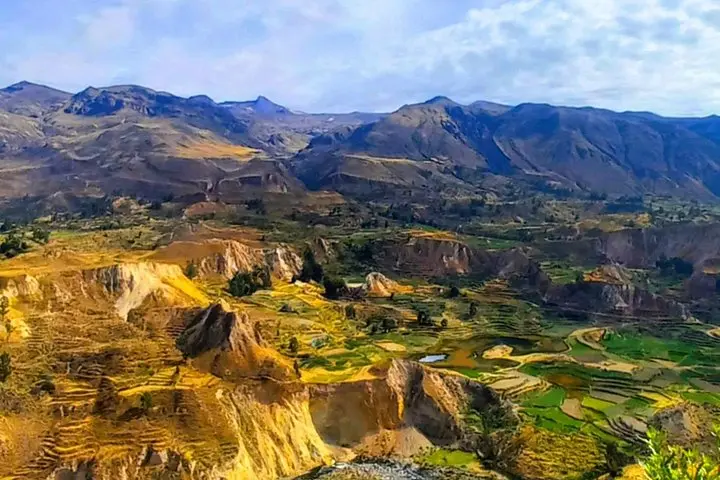
Before dawn a van pulls out of Arequipa and the sky thins to hard light; the road climbs, towns shrink, and the Andes widen into the Colca watershed. At Cruz del Condor condors wheel like living kites against a cleft of rock — the canyon’s walls drop away in layered bands of volcanic lava and river-cut sandstone, daring you down into shade and terraced fields.
Verified experiences and guided adventures in the surrounding area.
Operated by Arequipa Tour · Arequipa, Arequipa
Before dawn a van pulls out of Arequipa and the sky thins to hard light; the road climbs, towns shrink, and the Andes widen into the Colca watershed. At Cruz del Condor condors wheel like living kites against a cleft of rock — the canyon’s walls drop away in layered bands of volcanic lava and river-cut sandstone, daring you down into shade and terraced fields.
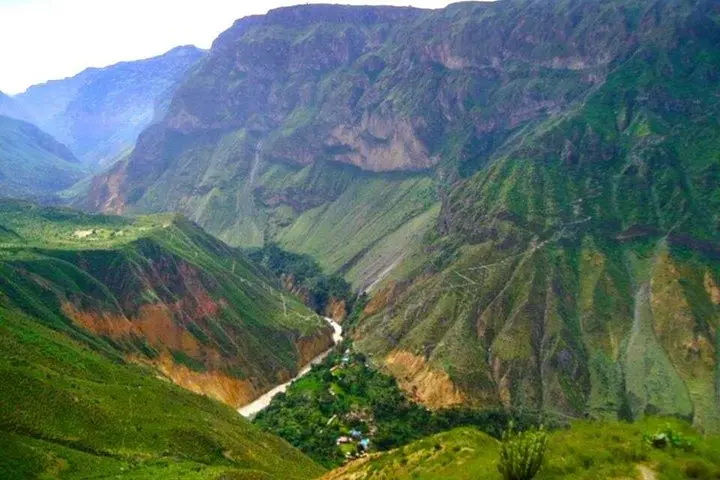
The route threads through highland villages — San Juan de Chuccho and Malata — where Quechua-speaking families tend ancient terraces and irrigate with snowmelt. Geology here is visible: uplifted volcanic plateaus fractured by the Colca River, forming one of the world’s deepest canyons. Culture is practical and present; local homestays offer basic dorms and food rooted in potatoes, quinoa and llama meat. Sangalle Oasis feels like an anomaly — palms and pools tucked under sheer cliffs where heat returns to skin and boots.
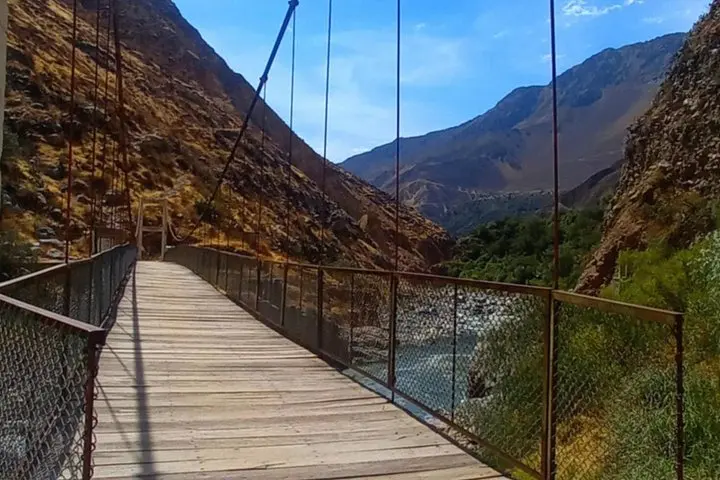
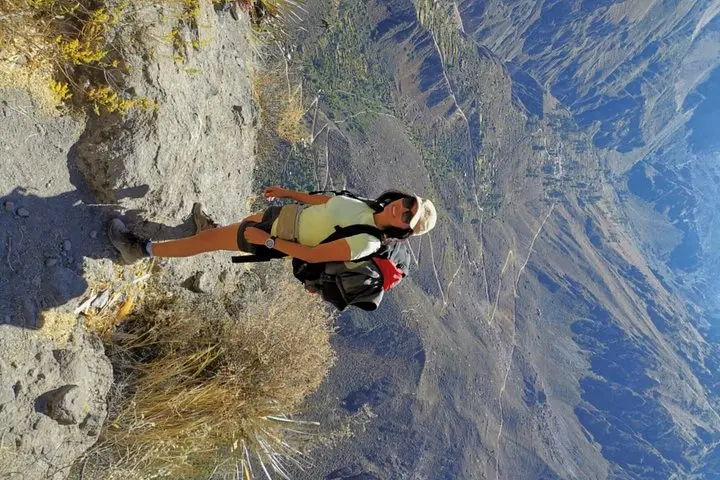
Practical side: the trek is high-altitude, with steep ascents and rocky switchbacks — expect long days, loose scree and marked trails but minimal technical climbing. Hot springs at Chivay are a useful reset; carry swimwear and a towel. Plan 48–72 hours of acclimatization in Arequipa or the altiplano before starting, drink often, and keep your pack light — you’ll carry personal gear on steep ascents. Footwear should be broken-in and supportive; layers matter as mountain mornings freeze and mid-day sun is fierce.
This is a trip of vertical contrast: cold puna to riparian oasis, quiet villages to dramatic viewpoints. Travel prepared, move deliberately, and the canyon rewards with sweeping vistas, wildlife sightings, and intimate cultural exchanges.
You should be comfortable hiking 3–6 hours a day with significant elevation change; prior multi-day trek experience and strong cardio fitness are recommended.
You should carry your own water and purification options; lodges provide basic facilities but expect intermittent access along the trail.
Yes — symptoms are common above 3,000 m; acclimatize for 48 hours, ascend slowly, hydrate, avoid alcohol, and consult a doctor about medication if prone to severe symptoms.
Accommodations are basic: family-run dorms and simple lodges with shared bathrooms; Sangalle offers modest oasis lodgings with pool access.
Arequipa Tour operates guided outdoor trips and adventures with an emphasis on safety, stewardship, and memorable experiences.
Before dawn a van pulls out of Arequipa and the sky thins to hard light; the road climbs, towns shrink, and the Andes widen into the Colca watershed. At Cruz del Condor condors wheel like living kites against a cleft of rock — the canyon’s walls drop away in layered bands of volcanic lava and river-cut sandstone, daring you down into shade and terraced fields.
Before dawn a van pulls out of Arequipa and the sky thins to hard light; the road climbs, towns shrink, and the Andes widen into the Colca watershed. At Cruz del Condor condors wheel like living kites against a cleft of rock — the canyon’s walls drop away in layered bands of volcanic lava and river-cut sandstone, daring you down into shade and terraced fields.
The route threads through highland villages — San Juan de Chuccho and Malata — where Quechua-speaking families tend ancient terraces and irrigate with snowmelt. Geology here is visible: uplifted volcanic plateaus fractured by the Colca River, forming one of the world’s deepest canyons. Culture is practical and present; local homestays offer basic dorms and food rooted in potatoes, quinoa and llama meat. Sangalle Oasis feels like an anomaly — palms and pools tucked under sheer cliffs where heat returns to skin and boots.
Practical side: the trek is high-altitude, with steep ascents and rocky switchbacks — expect long days, loose scree and marked trails but minimal technical climbing. Hot springs at Chivay are a useful reset; carry swimwear and a towel. Plan 48–72 hours of acclimatization in Arequipa or the altiplano before starting, drink often, and keep your pack light — you’ll carry personal gear on steep ascents. Footwear should be broken-in and supportive; layers matter as mountain mornings freeze and mid-day sun is fierce.
This is a trip of vertical contrast: cold puna to riparian oasis, quiet villages to dramatic viewpoints. Travel prepared, move deliberately, and the canyon rewards with sweeping vistas, wildlife sightings, and intimate cultural exchanges.