THE ADVENTURE COLLECTIVE® · Independent discovery and booking for outdoor travel

Walk three days along Lake Kivu’s western shore from Gisenyi to Kinunu, passing coffee plantations, fishing villages, and island views. This practical guide explains what to expect—terrain, daily effort, cultural highlights, and must-have gear.
Walk three days along Lake Kivu’s western shore from Gisenyi to Kinunu, passing coffee plantations, fishing villages, and island views. This practical guide explains what to expect—terrain, daily effort, cultural highlights, and must-have gear.
Morning mist lifts off Lake Kivu as small fishing boats trim a silver wake; the trail slips out of Gisenyi and climbs through terraces of banana and coffee that smell of damp earth and roasting beans. Over three days you move with the landscape—shifting from lakeshore pebble paths to rutted farm tracks and short, sharp climbs that reward you with island-studded views across a lake that seems to dare you toward the horizon.
Verified experiences and guided adventures in the surrounding area.
Operated by Sahihi Africa Tours · Gisenyi (Rubavu), Western Province
Morning mist lifts off Lake Kivu as small fishing boats trim a silver wake; the trail slips out of Gisenyi and climbs through terraces of banana and coffee that smell of damp earth and roasting beans. Over three days you move with the landscape—shifting from lakeshore pebble paths to rutted farm tracks and short, sharp climbs that reward you with island-studded views across a lake that seems to dare you toward the horizon.
The Congo Nile Trail follows routes long used by lakeside communities, carved along the western Kivu belt that formed where the East African Rift shaped steep hills and fertile valleys. Culture here is practical and visible: drying coffee on woven mats, fishermen mending nets, and villages where kinship and agriculture set the pace. Expect encounters with local coffee cooperatives and a chance to learn processing methods still central to regional livelihoods.
Practically, plan for 6–8 hours of walking on day one and three and shorter transfers on day two; daily distances typically range 10–20 km over uneven terrain with cumulative climbs of several hundred meters. Trails are mostly dirt track and footpath—muddy after rains, dusty when dry. Start early to avoid midday sun, carry 2+ liters of water, and pack a lightweight rain shell for sudden showers. Overnight stays are local guesthouses and base camps with simple meals; bring small bills for tips and local purchases.
This is a hike of engagement—nature that nudges you, communities that invite conversation, and a landscape that rewards steady footsteps.
You should be comfortable walking 10–20 km per day with several hundred meters of cumulative climb; regular hill walking or cardio training beforehand helps.
Two nights are in simple guesthouses/base camps (Cyimbiri and Kinunu) with basic sleeping arrangements and local meals; bring modest toiletries and a torch.
Lunches and most dinners are included per the itinerary, but you should carry personal water and snacks between villages as outlets are limited.
Most groups start near Gisenyi (Rubavu); you can arrive by road from Kigali or fly into Kigali and transfer—confirm pickup details with your operator.
Sahihi Africa Tours operates guided outdoor trips and adventures with an emphasis on safety, stewardship, and memorable experiences.
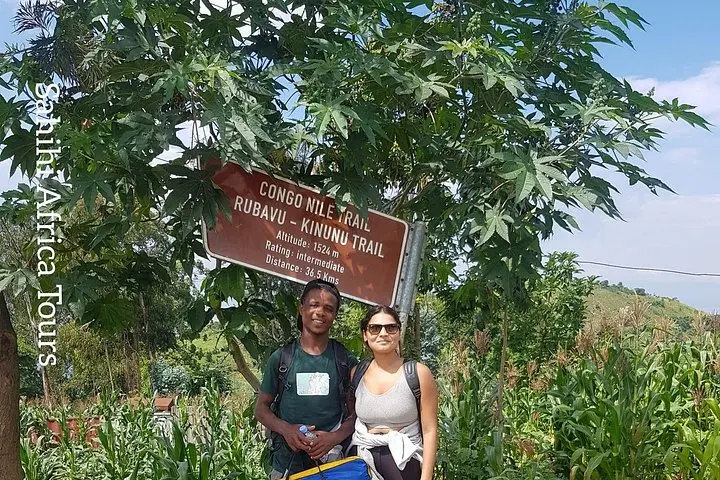

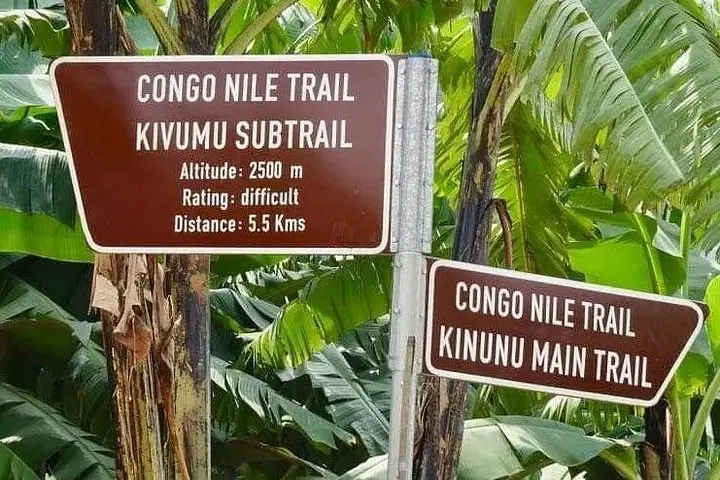

Morning mist lifts off Lake Kivu as small fishing boats trim a silver wake; the trail slips out of Gisenyi and climbs through terraces of banana and coffee that smell of damp earth and roasting beans. Over three days you move with the landscape—shifting from lakeshore pebble paths to rutted farm tracks and short, sharp climbs that reward you with island-studded views across a lake that seems to dare you toward the horizon.
Morning mist lifts off Lake Kivu as small fishing boats trim a silver wake; the trail slips out of Gisenyi and climbs through terraces of banana and coffee that smell of damp earth and roasting beans. Over three days you move with the landscape—shifting from lakeshore pebble paths to rutted farm tracks and short, sharp climbs that reward you with island-studded views across a lake that seems to dare you toward the horizon.
The Congo Nile Trail follows routes long used by lakeside communities, carved along the western Kivu belt that formed where the East African Rift shaped steep hills and fertile valleys. Culture here is practical and visible: drying coffee on woven mats, fishermen mending nets, and villages where kinship and agriculture set the pace. Expect encounters with local coffee cooperatives and a chance to learn processing methods still central to regional livelihoods.
Practically, plan for 6–8 hours of walking on day one and three and shorter transfers on day two; daily distances typically range 10–20 km over uneven terrain with cumulative climbs of several hundred meters. Trails are mostly dirt track and footpath—muddy after rains, dusty when dry. Start early to avoid midday sun, carry 2+ liters of water, and pack a lightweight rain shell for sudden showers. Overnight stays are local guesthouses and base camps with simple meals; bring small bills for tips and local purchases.
This is a hike of engagement—nature that nudges you, communities that invite conversation, and a landscape that rewards steady footsteps.