THE ADVENTURE COLLECTIVE® · Independent discovery and booking for outdoor travel

Move from hill-temple ritual to fortress rock and then to the eastern shore in three active days. This private tour links Kandy’s cultural heart, the ancient Sigiriya rock fortress, and Trincomalee’s sea-sculpted temples and beaches with door-to-door transport.
Move from hill-temple ritual to fortress rock and then to the eastern shore in three active days. This private tour links Kandy’s cultural heart, the ancient Sigiriya rock fortress, and Trincomalee’s sea-sculpted temples and beaches with door-to-door transport.
The day starts before sunrise at Bandaranaike International; humidity already pressing against the planeside glass. You slide into an air-conditioned vehicle and the city of Colombo falls away as the road climbs toward mist-shrouded hills. By midmorning the engine hum is background to the scent of damp earth and tea—Kandy greets you with a steady, ceremonial calm: priests at the Temple of the Tooth moving through the smoke of incense, and the manicured avenues of Peradeniya Botanical Gardens throwing cool shade over your shoulders.
Verified experiences and guided adventures in the surrounding area.
Operated by Travel with Hasith · Sigiriya, Central Province
The day starts before sunrise at Bandaranaike International; humidity already pressing against the planeside glass. You slide into an air-conditioned vehicle and the city of Colombo falls away as the road climbs toward mist-shrouded hills. By midmorning the engine hum is background to the scent of damp earth and tea—Kandy greets you with a steady, ceremonial calm: priests at the Temple of the Tooth moving through the smoke of incense, and the manicured avenues of Peradeniya Botanical Gardens throwing cool shade over your shoulders.
On day two the landscape changes: rice-paddy plains give way to the abrupt vertical of Sigiriya. The granite monolith rises nearly 200 meters from the plain; climbing it is part history lesson, part workout. You pass the painted panels of ancient frescoes and the Mirror Wall, where centuries of visitors left penciled notes. King Kashyapa’s water gardens—engineered basins and symmetrical moats—still drain and refill with seasonal rains, a reminder that engineering and landscape were once inseparable here.
By the final day the ocean takes the stage. Trincomalee’s Koneswaram Temple perches on the cliff like a watchful guardian; waves pull at the rock below as if trying to rewrite the coastline. Marble Beach waits with shallow turquoise water that encourages slow wading and easy snorkeling, while the hot springs at Kanniya offer a warm, mineral soak that locals and pilgrims have used for centuries.
This route stitches together Sri Lanka’s cultural heartland with its eastern seaboard. You’ll move through Kandyan court ritual, Dambulla’s cavernous Buddhist murals, and a Hindu cliff-top temple with views that put the ocean on display. Geologically, the island’s central massif—ancient Precambrian rock—gives Sigiriya its sheer profile; the east coast reveals younger sedimentary influences and coral-lined bays.
Practical notes: this is a private, door-to-door tour with air-conditioned transport; expect long drives—plan for early starts and carry motion-sickness remedies if needed. Sigiriya’s climb includes metal staircases and uneven stone steps; wear grippy shoes and allow 90–120 minutes for the ascent if you want time to linger at fresco panels. Hydrate aggressively in the lowlands and carry a light daypack with sun protection. If your schedule allows, swap in a Kaudulla safari from Sigiriya for elephant sightings in the late afternoon.
Timing matters: mornings are best for Sigiriya and Dambulla to avoid midday heat; coastal swims are gentler in the afternoon. Respect temple dress codes—shoulders and knees covered—and bring small notes of cash for modest entry fees and local vendors.
Three days compress a wide swath of Sri Lankan history and landscape into manageable stages: ritual and rainforest, rock and ruin, then salt and surf. It’s a short, kinetic primer on why the island keeps drawing travelers back.
Entrance is typically purchased on arrival; peak season can see lines, so arriving early reduces wait time—private guides can sometimes pre-arrange tickets.
The operator advises against participation for pregnant travelers and those with spinal or serious heart conditions; children who can manage stairs and long drives can join with caution.
Expect several hours of driving between sites—airport to Kandy ~3 hours, Kandy to Sigiriya ~2–3 hours, Sigiriya to Trincomalee ~2.5–3 hours depending on traffic.
Yes—Kaudulla or Minneriya safaris can be added from Sigiriya in the late afternoon to see elephants in the feed-and-graze season.
Remove shoes and hats before entering temple precincts, dress modestly (cover shoulders and knees), and avoid loud behavior during rituals.
Major towns and hotels have reliable coverage, but reception can be spotty near rock outcrops and remote coastline—plan accordingly.
Travel with Hasith operates guided outdoor trips and adventures with an emphasis on safety, stewardship, and memorable experiences.
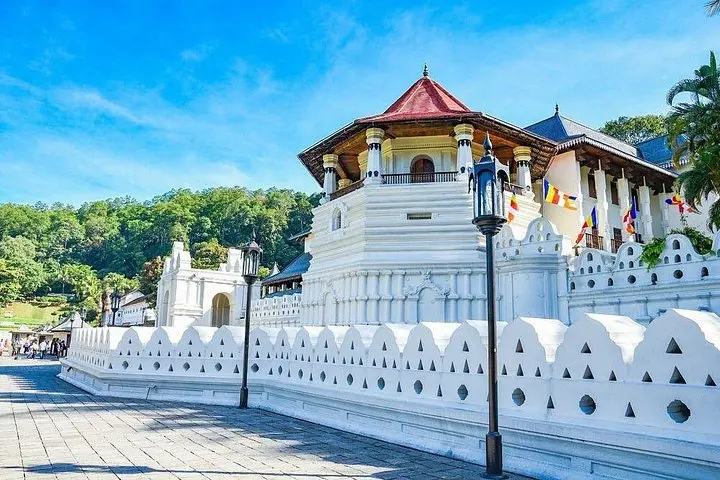
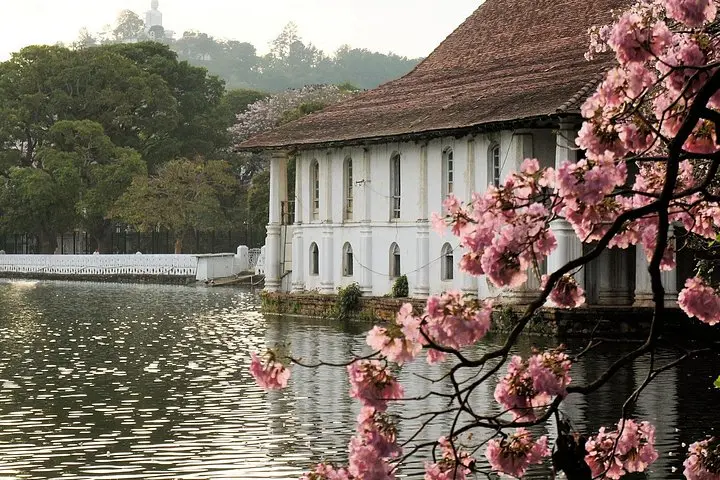
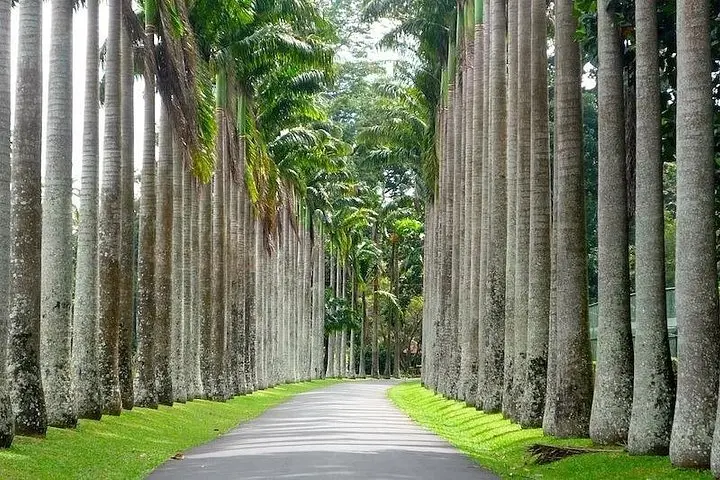
The day starts before sunrise at Bandaranaike International; humidity already pressing against the planeside glass. You slide into an air-conditioned vehicle and the city of Colombo falls away as the road climbs toward mist-shrouded hills. By midmorning the engine hum is background to the scent of damp earth and tea—Kandy greets you with a steady, ceremonial calm: priests at the Temple of the Tooth moving through the smoke of incense, and the manicured avenues of Peradeniya Botanical Gardens throwing cool shade over your shoulders.
The day starts before sunrise at Bandaranaike International; humidity already pressing against the planeside glass. You slide into an air-conditioned vehicle and the city of Colombo falls away as the road climbs toward mist-shrouded hills. By midmorning the engine hum is background to the scent of damp earth and tea—Kandy greets you with a steady, ceremonial calm: priests at the Temple of the Tooth moving through the smoke of incense, and the manicured avenues of Peradeniya Botanical Gardens throwing cool shade over your shoulders.
On day two the landscape changes: rice-paddy plains give way to the abrupt vertical of Sigiriya. The granite monolith rises nearly 200 meters from the plain; climbing it is part history lesson, part workout. You pass the painted panels of ancient frescoes and the Mirror Wall, where centuries of visitors left penciled notes. King Kashyapa’s water gardens—engineered basins and symmetrical moats—still drain and refill with seasonal rains, a reminder that engineering and landscape were once inseparable here.
By the final day the ocean takes the stage. Trincomalee’s Koneswaram Temple perches on the cliff like a watchful guardian; waves pull at the rock below as if trying to rewrite the coastline. Marble Beach waits with shallow turquoise water that encourages slow wading and easy snorkeling, while the hot springs at Kanniya offer a warm, mineral soak that locals and pilgrims have used for centuries.
This route stitches together Sri Lanka’s cultural heartland with its eastern seaboard. You’ll move through Kandyan court ritual, Dambulla’s cavernous Buddhist murals, and a Hindu cliff-top temple with views that put the ocean on display. Geologically, the island’s central massif—ancient Precambrian rock—gives Sigiriya its sheer profile; the east coast reveals younger sedimentary influences and coral-lined bays.
Practical notes: this is a private, door-to-door tour with air-conditioned transport; expect long drives—plan for early starts and carry motion-sickness remedies if needed. Sigiriya’s climb includes metal staircases and uneven stone steps; wear grippy shoes and allow 90–120 minutes for the ascent if you want time to linger at fresco panels. Hydrate aggressively in the lowlands and carry a light daypack with sun protection. If your schedule allows, swap in a Kaudulla safari from Sigiriya for elephant sightings in the late afternoon.
Timing matters: mornings are best for Sigiriya and Dambulla to avoid midday heat; coastal swims are gentler in the afternoon. Respect temple dress codes—shoulders and knees covered—and bring small notes of cash for modest entry fees and local vendors.
Three days compress a wide swath of Sri Lankan history and landscape into manageable stages: ritual and rainforest, rock and ruin, then salt and surf. It’s a short, kinetic primer on why the island keeps drawing travelers back.