THE ADVENTURE COLLECTIVE® · Independent discovery and booking for outdoor travel

Spend three days at Lake Eyasi meeting the Hadzabe and Datoga peoples, witnessing ancient hunting and metalworking traditions while exploring Rift Valley geology and bird-rich shores. Expect rustic camps, early starts, and a popup-roof jeep for game viewing.
Spend three days at Lake Eyasi meeting the Hadzabe and Datoga peoples, witnessing ancient hunting and metalworking traditions while exploring Rift Valley geology and bird-rich shores. Expect rustic camps, early starts, and a popup-roof jeep for game viewing.
Dawn unfurls over Lake Eyasi in a violet hush; smoke from cooking fires lifts and the silhouettes of Hadzabe hunters move with deliberate calm. Over three days the landscape shifts from flat salt flats and scrub to baobab-dotted shoreline and rocky outcrops, and the traveler moves through a living cultural landscape as much as a natural one.
Verified experiences and guided adventures in the surrounding area.
Operated by Simbaland Magic Tours · Karatu, Arusha Region
Dawn unfurls over Lake Eyasi in a violet hush; smoke from cooking fires lifts and the silhouettes of Hadzabe hunters move with deliberate calm. Over three days the landscape shifts from flat salt flats and scrub to baobab-dotted shoreline and rocky outcrops, and the traveler moves through a living cultural landscape as much as a natural one.
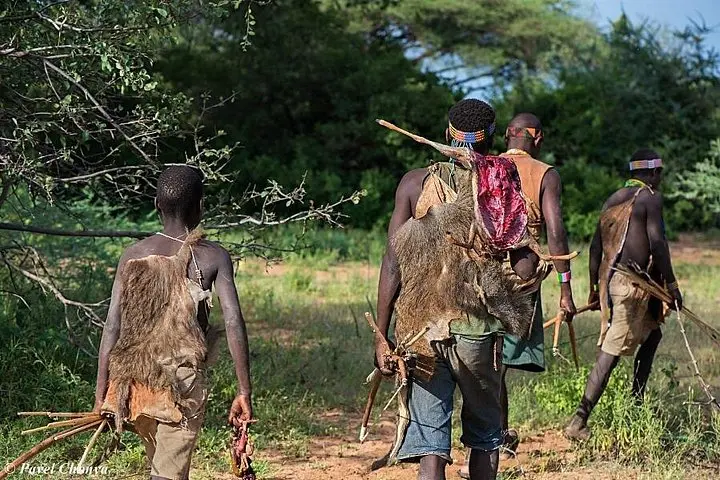
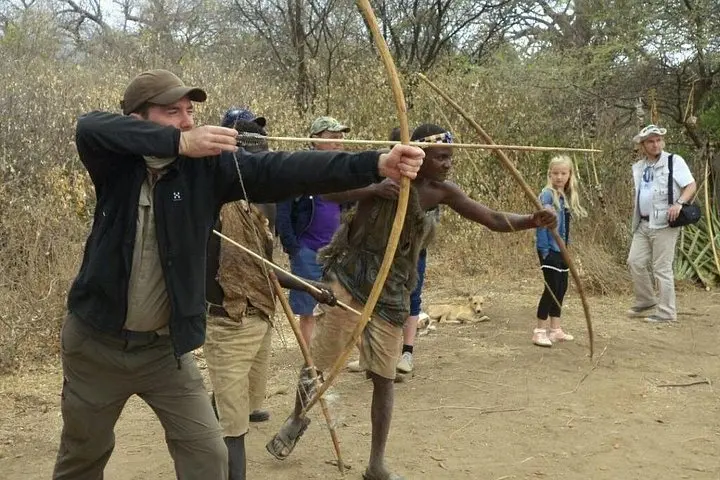
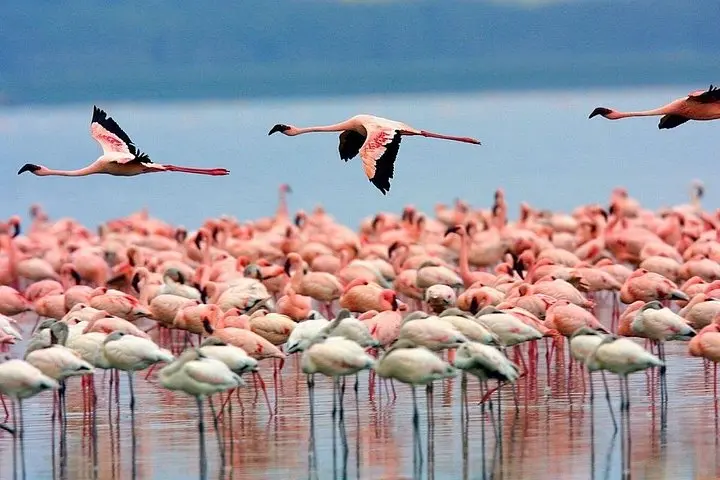
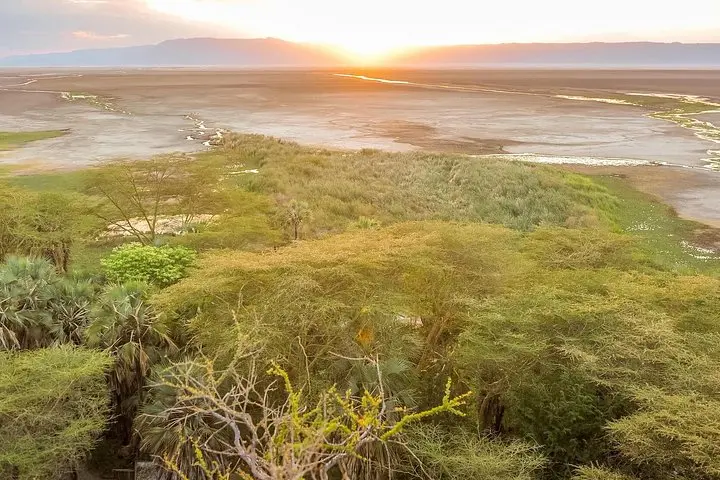
Lake Eyasi sits in the eastern arm of the East African Rift — a shallow soda lake ringed by volcanic terraces and faulted ridges. The Hadzabe, one of the region’s last hunter‑gatherer peoples, and the Datoga, pastoralists and skilled metalworkers, have adapted to this terrain for generations. Visitors see traditional hunting techniques, blacksmithing demonstrations, rock paintings and hot springs at sunrise; wildlife sightings range from waterbirds and small antelope to occasional larger mammals in nearby conservancies. The land itself feels purposeful: winds shape the salt flats, and the lagoon’s stillness holds a long human story.
Practical guidance: expect rustic lodging—tented camps or basic lodges—early starts, and walks over uneven ground. The trip often includes a popup-roof jeep for game viewing and picnic lunches; guides translate cultural exchanges and ensure respectful interaction. Bring sturdy footwear for rocky trails, sun protection for exposed plains, and local currency for tips or small purchases. Photography is welcome but always ask before taking portraits. Hydrate, pace morning walks, and arrive with curiosity and respectful questions—this is a cultural encounter as much as a safari.
Yes—this itinerary typically includes accommodation on safari, ranging from tented camps to basic lodges near Lake Eyasi.
The focus is cultural; wildlife sightings (birds, small antelope) are common, and nearby parks may offer larger mammal sightings but are not guaranteed on this trip.
Travelers should check routine vaccinations and consult health guidance for Tanzania; no special permits are usually required for cultural visits but carry ID and any regional fees may be covered by the tour.
Photography is generally allowed but always ask permission—respectful requests are part of the cultural exchange and often appreciated.
Simbaland Magic Tours operates guided outdoor trips and adventures with an emphasis on safety, stewardship, and memorable experiences.
Dawn unfurls over Lake Eyasi in a violet hush; smoke from cooking fires lifts and the silhouettes of Hadzabe hunters move with deliberate calm. Over three days the landscape shifts from flat salt flats and scrub to baobab-dotted shoreline and rocky outcrops, and the traveler moves through a living cultural landscape as much as a natural one.
Dawn unfurls over Lake Eyasi in a violet hush; smoke from cooking fires lifts and the silhouettes of Hadzabe hunters move with deliberate calm. Over three days the landscape shifts from flat salt flats and scrub to baobab-dotted shoreline and rocky outcrops, and the traveler moves through a living cultural landscape as much as a natural one.
Lake Eyasi sits in the eastern arm of the East African Rift — a shallow soda lake ringed by volcanic terraces and faulted ridges. The Hadzabe, one of the region’s last hunter‑gatherer peoples, and the Datoga, pastoralists and skilled metalworkers, have adapted to this terrain for generations. Visitors see traditional hunting techniques, blacksmithing demonstrations, rock paintings and hot springs at sunrise; wildlife sightings range from waterbirds and small antelope to occasional larger mammals in nearby conservancies. The land itself feels purposeful: winds shape the salt flats, and the lagoon’s stillness holds a long human story.
Practical guidance: expect rustic lodging—tented camps or basic lodges—early starts, and walks over uneven ground. The trip often includes a popup-roof jeep for game viewing and picnic lunches; guides translate cultural exchanges and ensure respectful interaction. Bring sturdy footwear for rocky trails, sun protection for exposed plains, and local currency for tips or small purchases. Photography is welcome but always ask before taking portraits. Hydrate, pace morning walks, and arrive with curiosity and respectful questions—this is a cultural encounter as much as a safari.