THE ADVENTURE COLLECTIVE® · Independent discovery and booking for outdoor travel

Witness sunrise over Machu Picchu, explore Cusco’s Inca landmarks and walk the terraces of the Sacred Valley on a guided three-day circuit. This itinerary combines archaeological highlights with cultural encounters and included train and bus transfers.
Witness sunrise over Machu Picchu, explore Cusco’s Inca landmarks and walk the terraces of the Sacred Valley on a guided three-day circuit. This itinerary combines archaeological highlights with cultural encounters and included train and bus transfers.
Dawn fractures the mountains above Aguas Calientes and the first light slides across terraces older than most nations. You step from the bus into a mist that the Andes will either keep or burn off, and the outline of Machu Picchu resolves like a city rediscovered.
Verified experiences and guided adventures in the surrounding area.
Operated by Inkanto Travel · Cusco, Cusco
Dawn fractures the mountains above Aguas Calientes and the first light slides across terraces older than most nations. You step from the bus into a mist that the Andes will either keep or burn off, and the outline of Machu Picchu resolves like a city rediscovered.
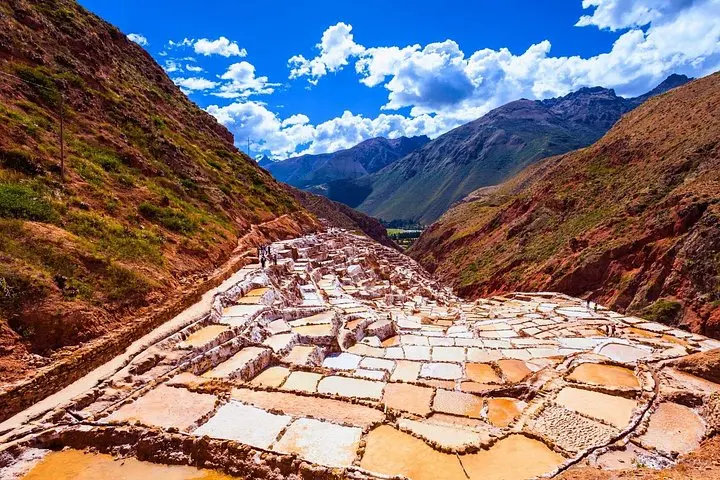
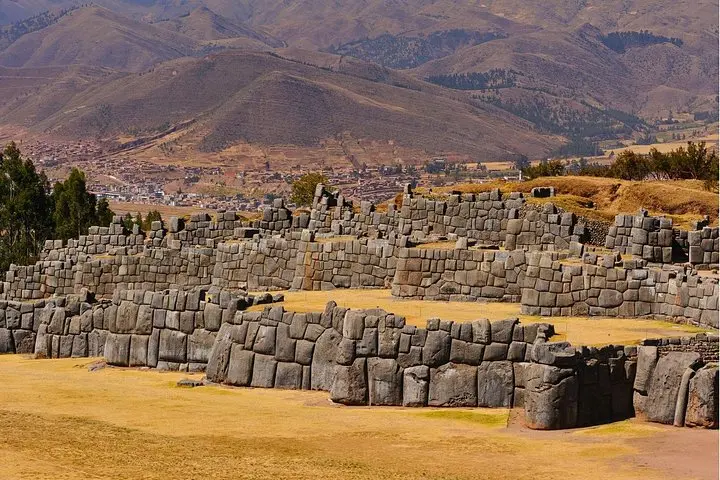
The three-day loop begins in Cusco’s Plaza de Armas, moving through Qorikancha’s precision stonework and up to Sacsayhuaman, where massive blocks guard panoramic views of the city. The Sacred Valley unfurls next: Chinchero’s family-run weaving demonstrations, the concentric agricultural labs at Moray, and the checkerboard salt pans at Maras that still feed local markets. Geologically, you’ll travel from high-altitude basalt and volcanic uplifts in Cusco (≈3,400 m) down through the Vilcanota River corridor toward Machu Picchu (≈2,430 m), where humid cloud forest meets Andean stone.
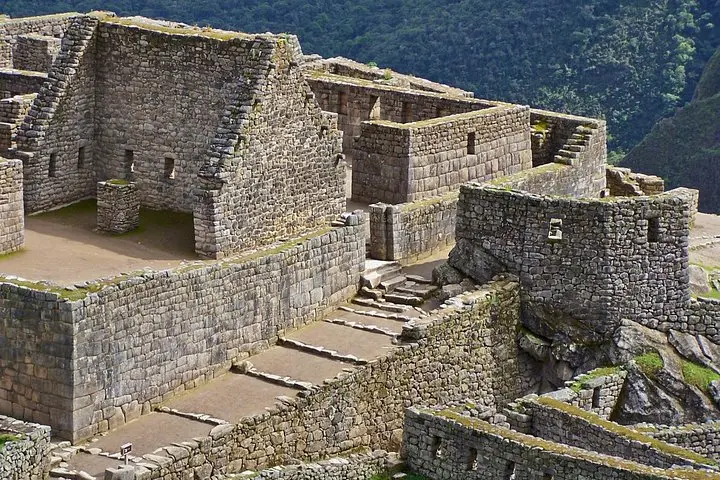
Culturally, expect layers of Inca engineering and contemporary Quechua traditions—textile patterns that record identity, terraces that manage microclimates, and town plazas that remain social anchors.
Practical guidance: permits, entrance fees, train and bus transfers to Aguas Calientes are included. Plan for uneven stone staircases, short steep sections, and 2–4 km of walking at archaeological sites. Acclimatize in Cusco for 24–48 hours if possible, hydrate frequently, and bring a light rain layer—weather shifts fast here. Wear supportive footwear and carry cash for small vendors in the Sacred Valley. Start early on day three for sunrise at Machu Picchu to avoid crowds and catch the clearest light for photography.
Yes—this tour includes Machu Picchu entrance, round-trip train tickets from Ollantaytambo to Aguas Calientes, and the bus to Machu Picchu.
Expect 2–4 km of walking across uneven stone pathways and short stair sections; the guided loop typically covers the main monuments in 1.5–2 hours.
Cusco sits around 3,400 m; mild symptoms are common—allow time to rest, hydrate, avoid heavy meals and alcohol on arrival, and consult a doctor about medication if you’re prone to severe reactions.
The itinerary is rated easy and is appropriate for most ages, but participants should be able to walk short distances on uneven ground; inform the operator of mobility limits when booking.
Inkanto Travel operates guided outdoor trips and adventures with an emphasis on safety, stewardship, and memorable experiences.
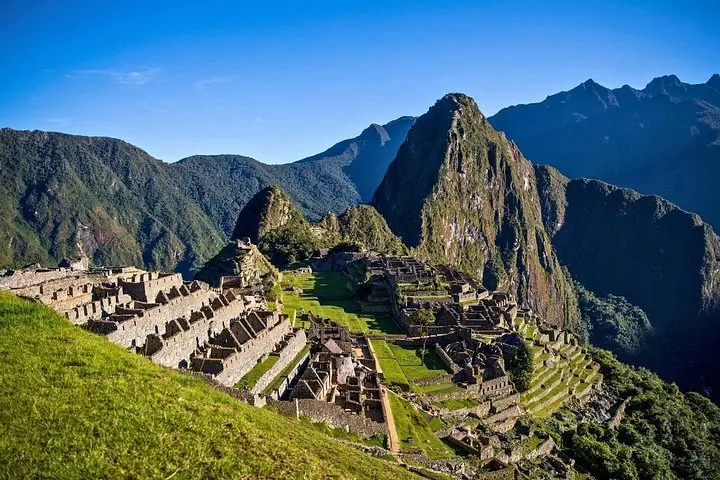
Dawn fractures the mountains above Aguas Calientes and the first light slides across terraces older than most nations. You step from the bus into a mist that the Andes will either keep or burn off, and the outline of Machu Picchu resolves like a city rediscovered.
Dawn fractures the mountains above Aguas Calientes and the first light slides across terraces older than most nations. You step from the bus into a mist that the Andes will either keep or burn off, and the outline of Machu Picchu resolves like a city rediscovered.
The three-day loop begins in Cusco’s Plaza de Armas, moving through Qorikancha’s precision stonework and up to Sacsayhuaman, where massive blocks guard panoramic views of the city. The Sacred Valley unfurls next: Chinchero’s family-run weaving demonstrations, the concentric agricultural labs at Moray, and the checkerboard salt pans at Maras that still feed local markets. Geologically, you’ll travel from high-altitude basalt and volcanic uplifts in Cusco (≈3,400 m) down through the Vilcanota River corridor toward Machu Picchu (≈2,430 m), where humid cloud forest meets Andean stone.
Culturally, expect layers of Inca engineering and contemporary Quechua traditions—textile patterns that record identity, terraces that manage microclimates, and town plazas that remain social anchors.
Practical guidance: permits, entrance fees, train and bus transfers to Aguas Calientes are included. Plan for uneven stone staircases, short steep sections, and 2–4 km of walking at archaeological sites. Acclimatize in Cusco for 24–48 hours if possible, hydrate frequently, and bring a light rain layer—weather shifts fast here. Wear supportive footwear and carry cash for small vendors in the Sacred Valley. Start early on day three for sunrise at Machu Picchu to avoid crowds and catch the clearest light for photography.