THE ADVENTURE COLLECTIVE® · Independent discovery and booking for outdoor travel

Move from Cusco’s colonial stonework through the agricultural ingenuity of the Sacred Valley to a private guided tour of Machu Picchu. This three-day, all-inclusive itinerary balances cultural insight with practical logistics for travelers navigating high-altitude archaeology.
Move from Cusco’s colonial stonework through the agricultural ingenuity of the Sacred Valley to a private guided tour of Machu Picchu. This three-day, all-inclusive itinerary balances cultural insight with practical logistics for travelers navigating high-altitude archaeology.
You step out of a colonial courtyard in Cusco and the Andes open like a folded map: thin, cold air; stone streets that slope toward the Plaza de Armas; and the distant silhouette of terraced hills. Over three days this private, all-inclusive itinerary moves from high-city history to the living terraces of the Sacred Valley and finally to the stone citadel at Machu Picchu.
Verified experiences and guided adventures in the surrounding area.
Operated by Qorysun Travel · Cusco, Cusco Region
You step out of a colonial courtyard in Cusco and the Andes open like a folded map: thin, cold air; stone streets that slope toward the Plaza de Armas; and the distant silhouette of terraced hills. Over three days this private, all-inclusive itinerary moves from high-city history to the living terraces of the Sacred Valley and finally to the stone citadel at Machu Picchu.
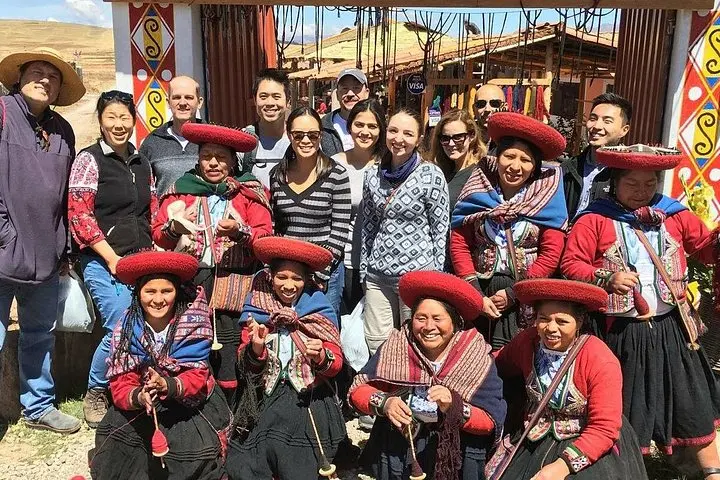
Day one threads through Qoricancha—once the Temple of the Sun—then across the cobbled heart of Cusco and the lively stalls of San Pedro Market, where local produce and textiles reveal centuries of Andean practice. Day two travels lower into the Sacred Valley: Chinchero’s colonial church and weaving cooperatives, the concentric agricultural terraces at Moray (an Inca experimental station), and the stratified salt pans of Maras, carved into the slope like geometric steps.
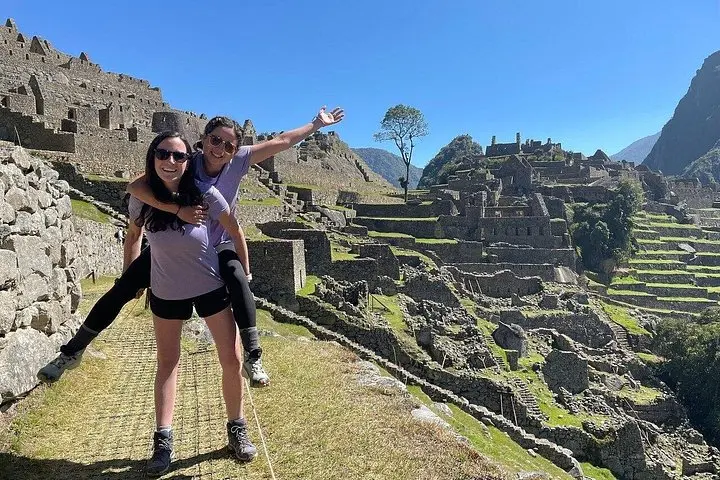
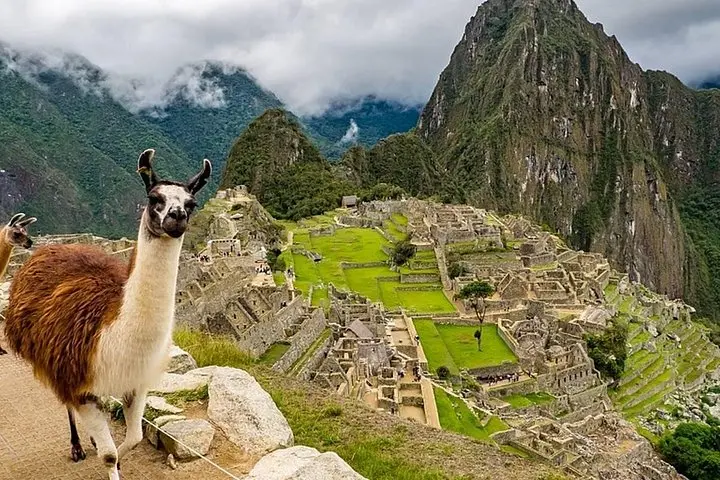
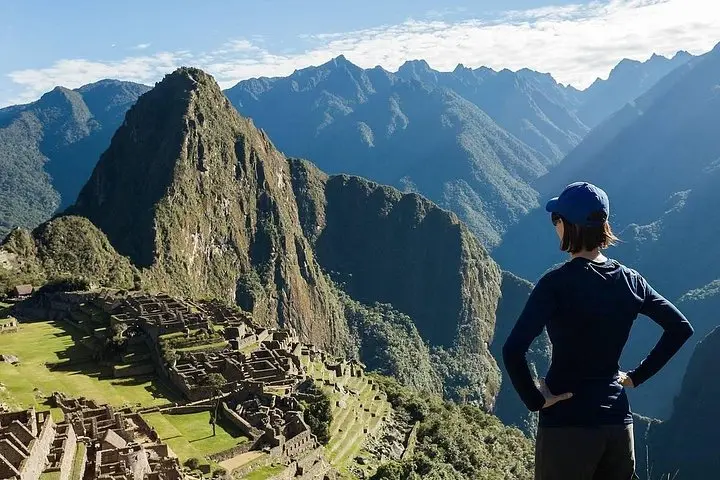
On day three you board the train at Ollantaytambo, descend to Aguas Calientes and ascend by shuttle to Machu Picchu. The citadel’s stone streets, agricultural terraces and ceremonial plazas reward a 2–3 hour guided tour; expect steep stone steps and uneven Inca pathways—elevation sits around 2,430 m at the site.
Practical notes: plan for altitude changes—Cusco (~3,400 m) to Aguas Calientes (~2,040 m) affects breathing and pace. Wear grippy, broken-in footwear; layer for sun and cold; and carry water and sunscreen. Book Huayna Picchu or Machu Picchu Mountain permits in advance if aiming for summit views. Trains and park entrances sell out in high season, so confirm schedules and bring a valid passport for site tickets.
Yes—Cusco sits ~3,400 m. Allow a day to acclimatize, hydrate, avoid heavy meals and consider acetazolamide only after consulting a doctor.
This package includes round-trip train, bus transfer to Machu Picchu and entrance fees; confirm train times and bring the same passport used to purchase tickets.
Yes—infants are accommodated with strollers and infant seats available, but plan slower pacing and consult guides about trails and stairs.
No—those require separate permits and advance booking; ask your operator to add them when available.
Qorysun Travel operates guided outdoor trips and adventures with an emphasis on safety, stewardship, and memorable experiences.
You step out of a colonial courtyard in Cusco and the Andes open like a folded map: thin, cold air; stone streets that slope toward the Plaza de Armas; and the distant silhouette of terraced hills. Over three days this private, all-inclusive itinerary moves from high-city history to the living terraces of the Sacred Valley and finally to the stone citadel at Machu Picchu.
You step out of a colonial courtyard in Cusco and the Andes open like a folded map: thin, cold air; stone streets that slope toward the Plaza de Armas; and the distant silhouette of terraced hills. Over three days this private, all-inclusive itinerary moves from high-city history to the living terraces of the Sacred Valley and finally to the stone citadel at Machu Picchu.
Day one threads through Qoricancha—once the Temple of the Sun—then across the cobbled heart of Cusco and the lively stalls of San Pedro Market, where local produce and textiles reveal centuries of Andean practice. Day two travels lower into the Sacred Valley: Chinchero’s colonial church and weaving cooperatives, the concentric agricultural terraces at Moray (an Inca experimental station), and the stratified salt pans of Maras, carved into the slope like geometric steps.
On day three you board the train at Ollantaytambo, descend to Aguas Calientes and ascend by shuttle to Machu Picchu. The citadel’s stone streets, agricultural terraces and ceremonial plazas reward a 2–3 hour guided tour; expect steep stone steps and uneven Inca pathways—elevation sits around 2,430 m at the site.
Practical notes: plan for altitude changes—Cusco (~3,400 m) to Aguas Calientes (~2,040 m) affects breathing and pace. Wear grippy, broken-in footwear; layer for sun and cold; and carry water and sunscreen. Book Huayna Picchu or Machu Picchu Mountain permits in advance if aiming for summit views. Trains and park entrances sell out in high season, so confirm schedules and bring a valid passport for site tickets.