THE ADVENTURE COLLECTIVE® · Independent discovery and booking for outdoor travel

Cool air, pine passes and cities of flowers—this three-day Da Lat tour mixes easy hikes, cultural sites and panoramic cable-car crossings. Ideal for travelers who want a compact highland experience with waterfalls, pagodas and colonial history.
Cool air, pine passes and cities of flowers—this three-day Da Lat tour mixes easy hikes, cultural sites and panoramic cable-car crossings. Ideal for travelers who want a compact highland experience with waterfalls, pagodas and colonial history.
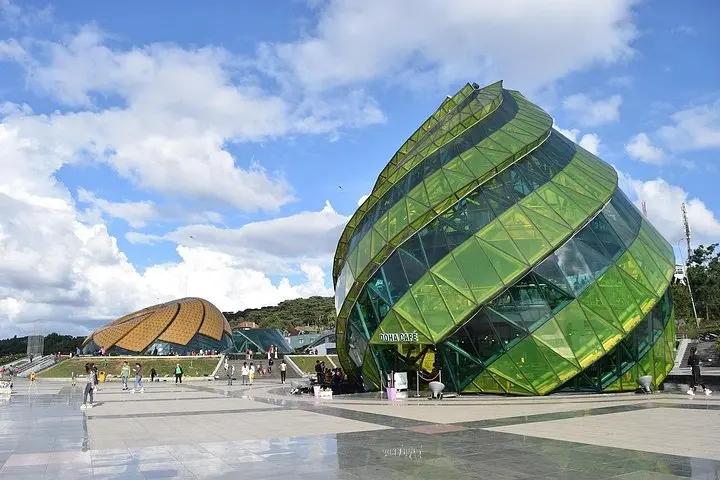
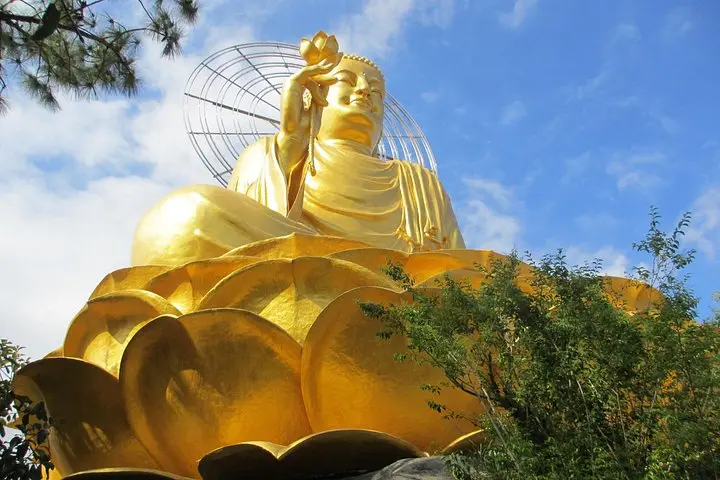
The first air of Da Lat is cool and sharp—pine resin on the breeze, mist lifting off a lake that seems to dare you to slow down. Over three days the city reveals itself in layers: a French-era cathedral bell tower cutting the skyline, the hush of a hillside Zen monastery, and roads lined with flower growers who coax color out of the volcanic soil.
Verified experiences and guided adventures in the surrounding area.
Operated by Asia Travel Links · Da Lat, Lam Dong
The first air of Da Lat is cool and sharp—pine resin on the breeze, mist lifting off a lake that seems to dare you to slow down. Over three days the city reveals itself in layers: a French-era cathedral bell tower cutting the skyline, the hush of a hillside Zen monastery, and roads lined with flower growers who coax color out of the volcanic soil.
Da Lat began as a colonial hill station in the early 20th century, built on the Lang Biang massif. Geologically the region sits on weathered basalt and red laterite; that soil plus elevation (about 1,500m) creates a climate distinct from Vietnam’s lowlands and supports the city’s famous flower industry. Cultural notes appear everywhere—Bao Dai’s summer palace recalls Vietnam’s last royal household, while the old French railway station and cathedral reflect decades of European influence.
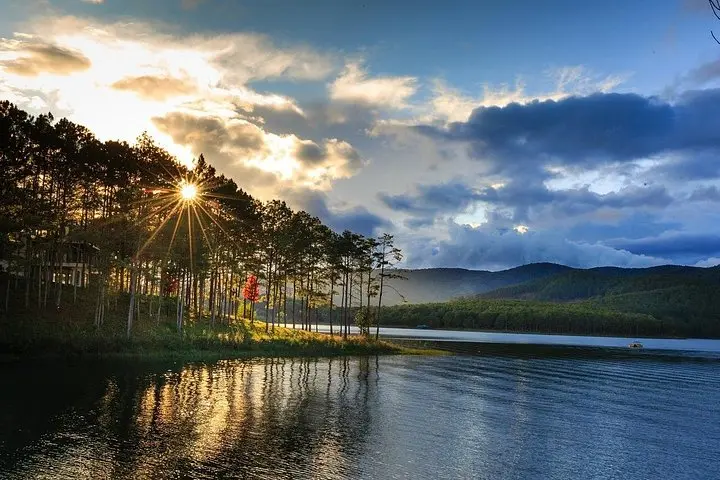
Expect a mix of gentle urban walking, short drives on pine-lined passes, and light trails at Datanla and Tuyen Lam Lake. The Truc Lam Zen complex offers shaded steps and forested viewpoints; Datanla’s falls bring a short, steep descent to a 20m drop and a pool that glints green. Cable car crossings give wide, clean views of terraces and pines.
Practical guidance: pack layered clothing for 10–20°C swings, sturdy shoes for slippery stone steps, and a small daypack for water and camera gear. Tours include transfers, two breakfasts and a lunch, and standard entry fees. Mobility-friendly overall but not advised for those with serious spinal or heart issues. Time your visit for clear mornings to make the most of vistas and flower photography.
The tour description notes that entrance tickets indicated in the program are included—confirm specific sites with the operator before travel.
Families are welcome, but infants must sit on an adult’s lap for transfers; some short trails may be steep for toddlers.
No technical skills or special equipment are required—basic mobility and comfortable walking shoes are sufficient.
An English-speaking guide is included; check availability for other languages when booking.
Asia Travel Links operates guided outdoor trips and adventures with an emphasis on safety, stewardship, and memorable experiences.

The first air of Da Lat is cool and sharp—pine resin on the breeze, mist lifting off a lake that seems to dare you to slow down. Over three days the city reveals itself in layers: a French-era cathedral bell tower cutting the skyline, the hush of a hillside Zen monastery, and roads lined with flower growers who coax color out of the volcanic soil.
The first air of Da Lat is cool and sharp—pine resin on the breeze, mist lifting off a lake that seems to dare you to slow down. Over three days the city reveals itself in layers: a French-era cathedral bell tower cutting the skyline, the hush of a hillside Zen monastery, and roads lined with flower growers who coax color out of the volcanic soil.
Da Lat began as a colonial hill station in the early 20th century, built on the Lang Biang massif. Geologically the region sits on weathered basalt and red laterite; that soil plus elevation (about 1,500m) creates a climate distinct from Vietnam’s lowlands and supports the city’s famous flower industry. Cultural notes appear everywhere—Bao Dai’s summer palace recalls Vietnam’s last royal household, while the old French railway station and cathedral reflect decades of European influence.
Expect a mix of gentle urban walking, short drives on pine-lined passes, and light trails at Datanla and Tuyen Lam Lake. The Truc Lam Zen complex offers shaded steps and forested viewpoints; Datanla’s falls bring a short, steep descent to a 20m drop and a pool that glints green. Cable car crossings give wide, clean views of terraces and pines.
Practical guidance: pack layered clothing for 10–20°C swings, sturdy shoes for slippery stone steps, and a small daypack for water and camera gear. Tours include transfers, two breakfasts and a lunch, and standard entry fees. Mobility-friendly overall but not advised for those with serious spinal or heart issues. Time your visit for clear mornings to make the most of vistas and flower photography.