THE ADVENTURE COLLECTIVE® · Independent discovery and booking for outdoor travel

Three days across one of Earth’s most extreme landscapes: trek to Erta Ale’s lava lake, wander Dallol’s acid pans, and watch traditional salt harvesting at Lake Afrera. This practical guide covers what to expect, how to prepare, and local insights for the remote Danakil Depression.
Three days across one of Earth’s most extreme landscapes: trek to Erta Ale’s lava lake, wander Dallol’s acid pans, and watch traditional salt harvesting at Lake Afrera. This practical guide covers what to expect, how to prepare, and local insights for the remote Danakil Depression.
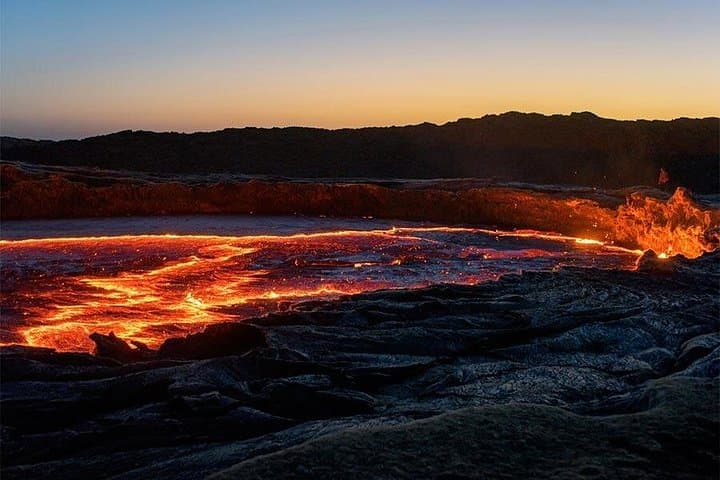
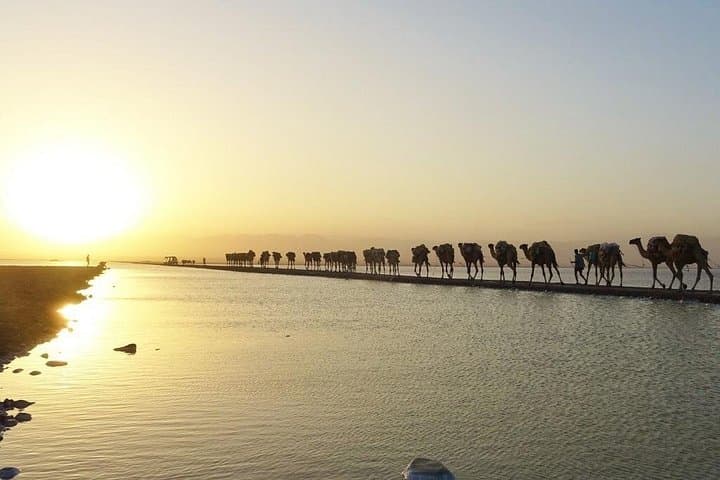
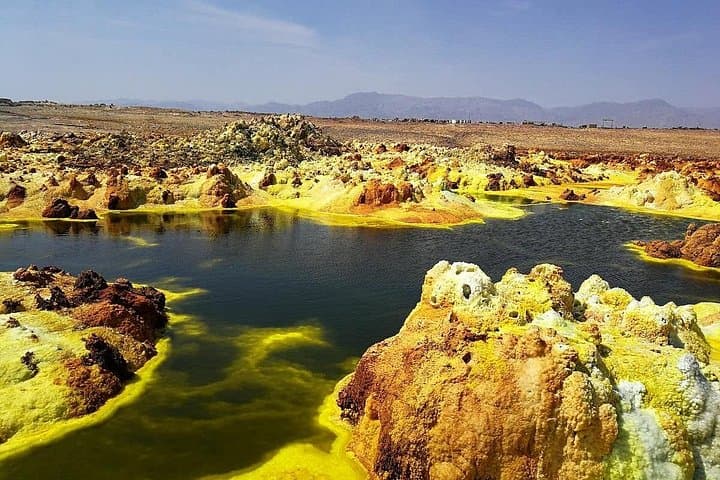
A creaking 4x4 drops you at dawn onto cracked salt flats; heat shimmers off the rim of Erta Ale as the first glow of the lava lake pulses like a breathing heart. Over three days visitors move between extremes: a walking approach to a permanent lava lake, steaming acidic pools at Dallol, and the white, mirror-like salt pans of Lake Afrera. The landscape feels alive—fumaroles hissing like cautious animals, salt domes arcing from buried volcanoes, and caravans of camels tracing routes that have served traders for centuries.
Verified experiences and guided adventures in the surrounding area.
Operated by Ethio Target Tours · Mekele, Afar Region
A creaking 4x4 drops you at dawn onto cracked salt flats; heat shimmers off the rim of Erta Ale as the first glow of the lava lake pulses like a breathing heart. Over three days visitors move between extremes: a walking approach to a permanent lava lake, steaming acidic pools at Dallol, and the white, mirror-like salt pans of Lake Afrera. The landscape feels alive—fumaroles hissing like cautious animals, salt domes arcing from buried volcanoes, and caravans of camels tracing routes that have served traders for centuries.
Geologically the Danakil sits where three tectonic plates diverge, creating one of the world’s most accessible rifts. Dallol’s colored springs are hydrothermal windows into a sulfur-rich underworld, while Erta Ale’s basaltic caldera hosts one of the few persistent lava lakes on Earth. Culturally the Afar people still harvest salt by hand, a practice that links present-day visitors to millennia of desert commerce.
Practical guidance: expect short, steep treks (crater rim ~1 hour) and long transfers over rough roads; nights can be surprisingly cold, days brutally hot. Bring at least 3–4 liters of water per day, sun protection, sturdy boots, and a warm layer for camp. Local guides handle logistics, tents, and food—this is remote travel where flexibility and respect for local rules matter. Time your visit for cooler months if you want more comfortable daytime conditions, and allow extra time for vehicle delays—the desert sets its own pace.
Guided access to Erta Ale is common; guides and camel teams handle equipment and route-finding—follow their instructions and avoid the crater edge.
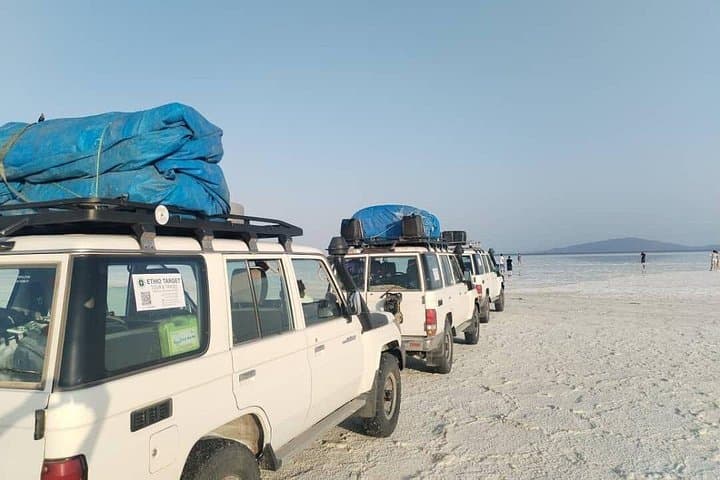
Tours include necessary permissions and 4x4 transport; independent travel is discouraged due to remoteness and permit requirements.
Bring sunscreen, rehydration salts, basic first-aid, and ensure vaccinations/medication per your doctor; heat stress and dehydration are the main concerns.
Cooler months (November–February) offer more comfortable daytime temperatures, though nights remain chilly and road conditions can vary after rains.
Ethio Target Tours operates guided outdoor trips and adventures with an emphasis on safety, stewardship, and memorable experiences.
A creaking 4x4 drops you at dawn onto cracked salt flats; heat shimmers off the rim of Erta Ale as the first glow of the lava lake pulses like a breathing heart. Over three days visitors move between extremes: a walking approach to a permanent lava lake, steaming acidic pools at Dallol, and the white, mirror-like salt pans of Lake Afrera. The landscape feels alive—fumaroles hissing like cautious animals, salt domes arcing from buried volcanoes, and caravans of camels tracing routes that have served traders for centuries.
A creaking 4x4 drops you at dawn onto cracked salt flats; heat shimmers off the rim of Erta Ale as the first glow of the lava lake pulses like a breathing heart. Over three days visitors move between extremes: a walking approach to a permanent lava lake, steaming acidic pools at Dallol, and the white, mirror-like salt pans of Lake Afrera. The landscape feels alive—fumaroles hissing like cautious animals, salt domes arcing from buried volcanoes, and caravans of camels tracing routes that have served traders for centuries.
Geologically the Danakil sits where three tectonic plates diverge, creating one of the world’s most accessible rifts. Dallol’s colored springs are hydrothermal windows into a sulfur-rich underworld, while Erta Ale’s basaltic caldera hosts one of the few persistent lava lakes on Earth. Culturally the Afar people still harvest salt by hand, a practice that links present-day visitors to millennia of desert commerce.
Practical guidance: expect short, steep treks (crater rim ~1 hour) and long transfers over rough roads; nights can be surprisingly cold, days brutally hot. Bring at least 3–4 liters of water per day, sun protection, sturdy boots, and a warm layer for camp. Local guides handle logistics, tents, and food—this is remote travel where flexibility and respect for local rules matter. Time your visit for cooler months if you want more comfortable daytime conditions, and allow extra time for vehicle delays—the desert sets its own pace.