THE ADVENTURE COLLECTIVE® · Independent discovery and booking for outdoor travel

Go beyond the day run and let the Lower Deschutes set your pace over three days of Class II–III rapids, riverside camping, and big-sky canyon nights. Guides handle the logistics; you handle the smiles, short hikes, and long looks at the basalt walls. It’s an approachable, all-ages introduction to wild river living with a practical, well-fed edge.
Go beyond the day run and let the Lower Deschutes set your pace over three days of Class II–III rapids, riverside camping, and big-sky canyon nights. Guides handle the logistics; you handle the smiles, short hikes, and long looks at the basalt walls. It’s an approachable, all-ages introduction to wild river living with a practical, well-fed edge.
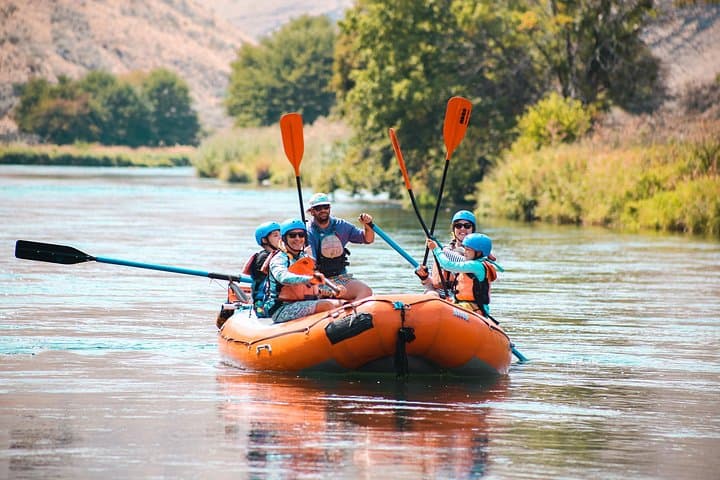
Morning in Maupin begins with the hush of the canyon and the low, confident push of the Deschutes. Guides haul dry boxes and oars while swallows stitch the sky above the basalt walls. Once the rafts nose into the current, the river takes the lead—nudging you into wave trains, daring you around boulders, then relaxing into broad, sunlit eddies where ospreys hover and the day stretches wide.
Verified experiences and guided adventures in the surrounding area.
Operated by Tributary Whitewater · Maupin, Oregon
Morning in Maupin begins with the hush of the canyon and the low, confident push of the Deschutes. Guides haul dry boxes and oars while swallows stitch the sky above the basalt walls. Once the rafts nose into the current, the river takes the lead—nudging you into wave trains, daring you around boulders, then relaxing into broad, sunlit eddies where ospreys hover and the day stretches wide.
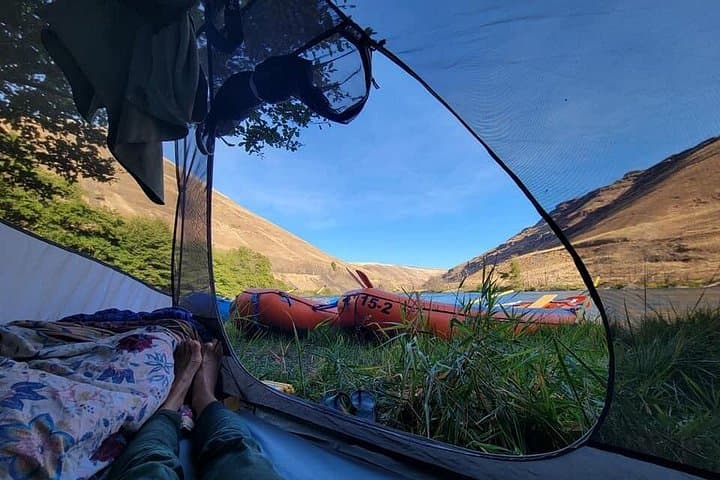
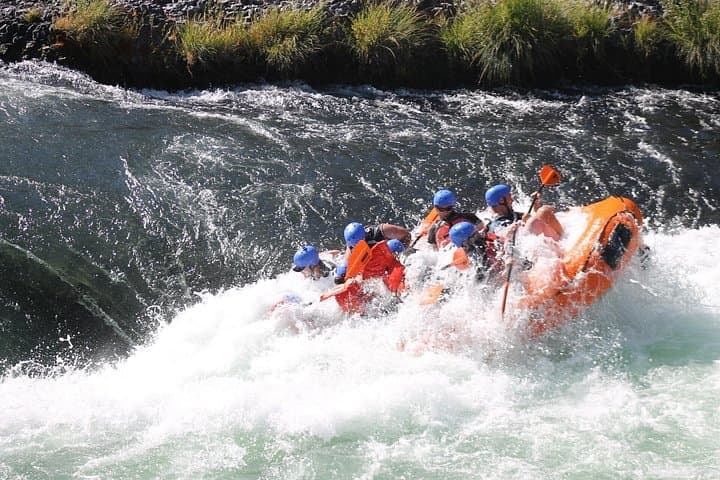
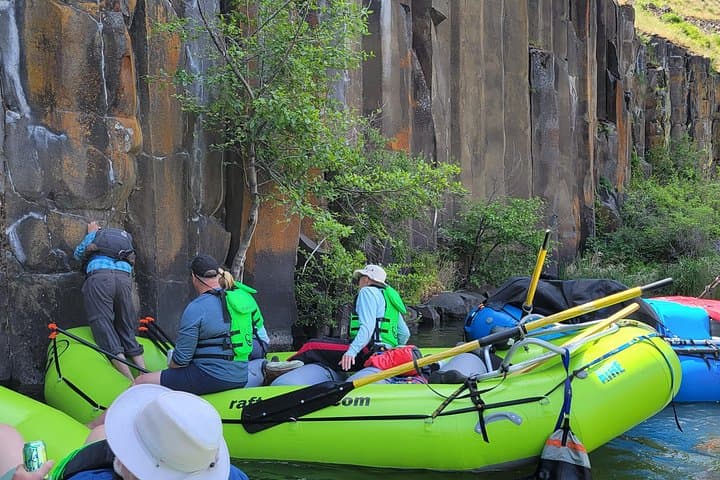
This is a three-day rhythm of paddle and pause, Class II–III rapids like Boxcar and lively wave trains that keep first-timers grinning and seasoned rafters engaged. The Lower Deschutes is federally designated Wild & Scenic, a canyon carved into the Columbia River Basalt Group. Lava cliffs stack like stairways, and you can trace old railroad grades that once opened this rugged corridor to the outside world. At camp, you land on sandy beaches unreachable by road, watch bighorn sheep tiptoe the rim, and feel the wind funnel down-canyon as dusk settles. Dinner sizzles in dutch ovens, the Milky Way switches on, and the river whispers all night.
By day, you’ll thread riffles and small drops, stop for riverside lunches, and walk short trails to viewpoints or side creeks. The guides handle the heavy lifts—tents, toilets, kitchen, safety—so you can focus on the water and the landscape. The Deschutes is spring-fed and cold, even in August; sun is abundant and wind is a frequent companion. It’s a trip that invites personal reset: simple camp routines, a steady current, and long canyon horizons that slow the mind.
This stretch flows through lands stewarded in part by the Confederated Tribes of Warm Springs and managed by the BLM; expect clear guidelines that protect fragile riparian zones and cultural sites. Anglers can target trout and, in season, steelhead, but regulations are specific—your guides will keep you dialed.
Planning is straightforward: meet at the Maupin outpost with your personal clothing, a sense of adventure, and basic swimming ability. The outfitter supplies boats, safety gear, group camp equipment, and hearty meals. In return, the river provides pace and purpose. It urges you forward through braided channels, then lets you drift long enough to notice the basalt warming in the sun, the wind combing the bunchgrass, and the canyon deciding when it’s time to turn the page.
Expect mostly Class II–III rapids, suitable for adventurous beginners and families; guides provide safety briefings and line choices.
Basic swimming ability and comfort in moving water are recommended; a U.S. Coast Guard–approved PFD is worn at all times on the river.
Rafts, safety gear, group camping equipment (tents, kitchen, toilet), and all meals from lunch Day 1 through lunch Day 3 are included.
Meet at the outfitter’s outpost in Maupin, Oregon, where there’s parking; a shuttle transports you to and from the river.
Yes—bring a valid Oregon angling license. Shore access on tribal land may require a separate permit; your guide will advise on current regulations.
Alcohol policies vary by outfitter and are subject to state law; bring only if permitted and consume responsibly in camp, never on the water.
Tributary Whitewater operates guided outdoor trips and adventures with an emphasis on safety, stewardship, and memorable experiences.
Morning in Maupin begins with the hush of the canyon and the low, confident push of the Deschutes. Guides haul dry boxes and oars while swallows stitch the sky above the basalt walls. Once the rafts nose into the current, the river takes the lead—nudging you into wave trains, daring you around boulders, then relaxing into broad, sunlit eddies where ospreys hover and the day stretches wide.
Morning in Maupin begins with the hush of the canyon and the low, confident push of the Deschutes. Guides haul dry boxes and oars while swallows stitch the sky above the basalt walls. Once the rafts nose into the current, the river takes the lead—nudging you into wave trains, daring you around boulders, then relaxing into broad, sunlit eddies where ospreys hover and the day stretches wide.
This is a three-day rhythm of paddle and pause, Class II–III rapids like Boxcar and lively wave trains that keep first-timers grinning and seasoned rafters engaged. The Lower Deschutes is federally designated Wild & Scenic, a canyon carved into the Columbia River Basalt Group. Lava cliffs stack like stairways, and you can trace old railroad grades that once opened this rugged corridor to the outside world. At camp, you land on sandy beaches unreachable by road, watch bighorn sheep tiptoe the rim, and feel the wind funnel down-canyon as dusk settles. Dinner sizzles in dutch ovens, the Milky Way switches on, and the river whispers all night.
By day, you’ll thread riffles and small drops, stop for riverside lunches, and walk short trails to viewpoints or side creeks. The guides handle the heavy lifts—tents, toilets, kitchen, safety—so you can focus on the water and the landscape. The Deschutes is spring-fed and cold, even in August; sun is abundant and wind is a frequent companion. It’s a trip that invites personal reset: simple camp routines, a steady current, and long canyon horizons that slow the mind.
This stretch flows through lands stewarded in part by the Confederated Tribes of Warm Springs and managed by the BLM; expect clear guidelines that protect fragile riparian zones and cultural sites. Anglers can target trout and, in season, steelhead, but regulations are specific—your guides will keep you dialed.
Planning is straightforward: meet at the Maupin outpost with your personal clothing, a sense of adventure, and basic swimming ability. The outfitter supplies boats, safety gear, group camp equipment, and hearty meals. In return, the river provides pace and purpose. It urges you forward through braided channels, then lets you drift long enough to notice the basalt warming in the sun, the wind combing the bunchgrass, and the canyon deciding when it’s time to turn the page.