THE ADVENTURE COLLECTIVE® · Independent discovery and booking for outdoor travel

Cross the High Atlas, visit Ait Ben Haddou and the Dades and Todra gorges, then ride camels into Erg Chebbi for a night under the stars. This three-day loop pairs dramatic desert dunes with Berber culture and cinematic kasbahs.
Cross the High Atlas, visit Ait Ben Haddou and the Dades and Todra gorges, then ride camels into Erg Chebbi for a night under the stars. This three-day loop pairs dramatic desert dunes with Berber culture and cinematic kasbahs.
You leave Marrakech before dawn, the city lights shrinking as the road climbs into the High Atlas. The pass opens into serrated ridgelines and then into a wide valley of kasbahs, almond trees, and the long shadow of the Tizi n'Tichka. By late afternoon the dunes of Erg Chebbi rise like a living wall of gold; silence and wind sketch ever-changing ridgelines.
Verified experiences and guided adventures in the surrounding area.
Operated by Morocco Desert VIP · Marrakech, Marrakesh-Safi
You leave Marrakech before dawn, the city lights shrinking as the road climbs into the High Atlas. The pass opens into serrated ridgelines and then into a wide valley of kasbahs, almond trees, and the long shadow of the Tizi n'Tichka. By late afternoon the dunes of Erg Chebbi rise like a living wall of gold; silence and wind sketch ever-changing ridgelines.
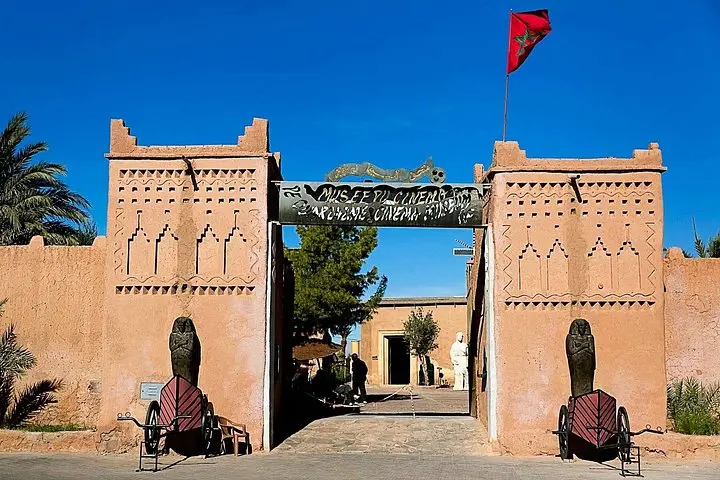
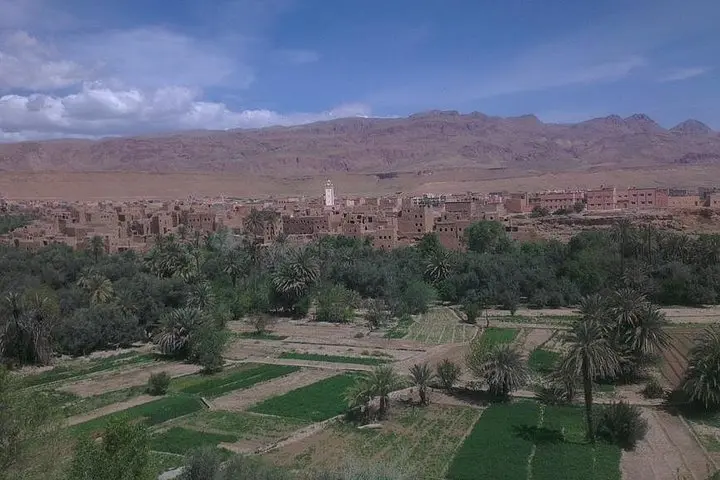
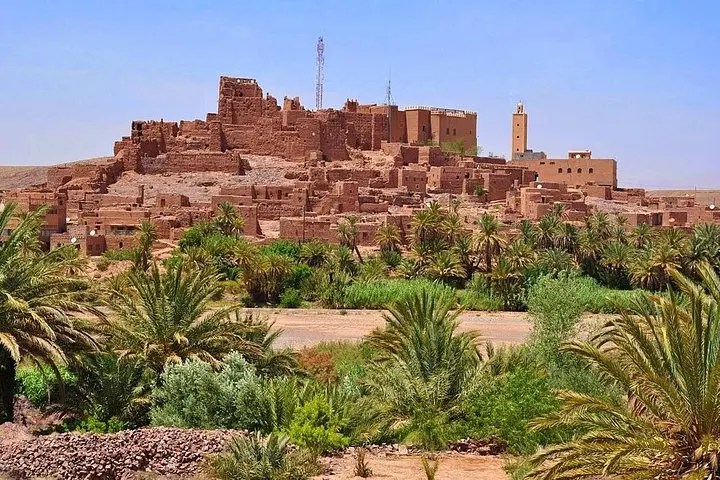
This route threads history and geology: ancient caravan roads, the earthen architecture of Ait Ben Haddou — a UNESCO ksar once controlled by the Glaoui — and river-carved canyons like Todra and Dades. Geologically, the Erg Chebbi dunes are wind-sculpted Saharan sand, reaching heights of around 150–250 meters and shifting with seasonal winds. Berber culture remains visible in small villages, markets, and the hospitality of desert camps where music and mint tea mark the evening.
Expect two long driving days with photo stops, a two-hour camel procession at sunset, and a night in a Berber-style desert camp with mattresses and blankets; mornings bring a sharp, colorful sunrise. Days include short hikes in gorges, visits to kasbahs and palm-lined Draa Valley, and opportunities to meet local artisans.
Practical guidance: carry ample water, sunscreen, layered clothing for cold desert nights, and cash for remote villages. Footwear that handles loose sand makes dune walks easier, and plan for bumpy stretches on secondary roads. If you want sunrise on the highest dune, wake early — the color changes fast and is worth the climb.
Yes, most departures include hotel or riad pickup in Marrakech; confirm your exact pickup point at booking.
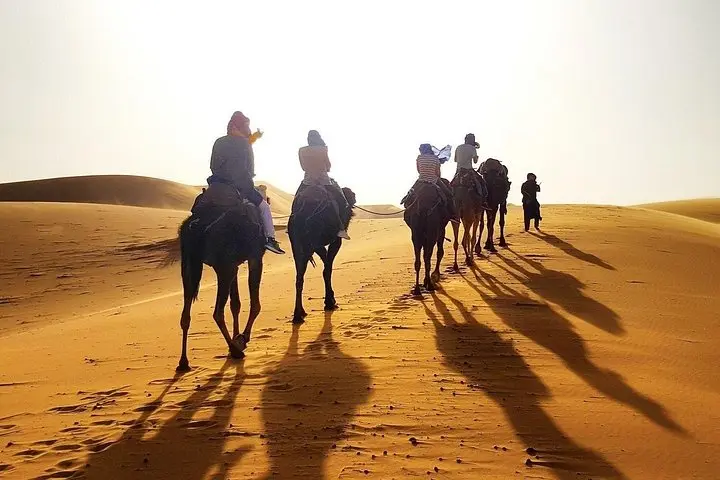
The planned camel trek to the camp is roughly two hours, timed to arrive for sunset; you can opt to walk portions if preferred.
Camps typically offer private or shared Berber-style tents with mattresses, blankets, and a communal dining area; facilities vary by operator.
Mobile coverage is intermittent near Merzouga; ATMs are available in larger towns like Erfoud and Rissani but are sparse near the dunes.
Morocco Desert VIP operates guided outdoor trips and adventures with an emphasis on safety, stewardship, and memorable experiences.
You leave Marrakech before dawn, the city lights shrinking as the road climbs into the High Atlas. The pass opens into serrated ridgelines and then into a wide valley of kasbahs, almond trees, and the long shadow of the Tizi n'Tichka. By late afternoon the dunes of Erg Chebbi rise like a living wall of gold; silence and wind sketch ever-changing ridgelines.
You leave Marrakech before dawn, the city lights shrinking as the road climbs into the High Atlas. The pass opens into serrated ridgelines and then into a wide valley of kasbahs, almond trees, and the long shadow of the Tizi n'Tichka. By late afternoon the dunes of Erg Chebbi rise like a living wall of gold; silence and wind sketch ever-changing ridgelines.
This route threads history and geology: ancient caravan roads, the earthen architecture of Ait Ben Haddou — a UNESCO ksar once controlled by the Glaoui — and river-carved canyons like Todra and Dades. Geologically, the Erg Chebbi dunes are wind-sculpted Saharan sand, reaching heights of around 150–250 meters and shifting with seasonal winds. Berber culture remains visible in small villages, markets, and the hospitality of desert camps where music and mint tea mark the evening.
Expect two long driving days with photo stops, a two-hour camel procession at sunset, and a night in a Berber-style desert camp with mattresses and blankets; mornings bring a sharp, colorful sunrise. Days include short hikes in gorges, visits to kasbahs and palm-lined Draa Valley, and opportunities to meet local artisans.
Practical guidance: carry ample water, sunscreen, layered clothing for cold desert nights, and cash for remote villages. Footwear that handles loose sand makes dune walks easier, and plan for bumpy stretches on secondary roads. If you want sunrise on the highest dune, wake early — the color changes fast and is worth the climb.