THE ADVENTURE COLLECTIVE® · Independent discovery and booking for outdoor travel

Drive over the High Atlas, explore Ait Benhaddou, trek camels across Erg Chebbi and sleep beneath desert stars on this three-day private tour from Marrakech to Fes. Fast-paced sights and slow desert nights combine for a compact taste of southern Morocco.
Drive over the High Atlas, explore Ait Benhaddou, trek camels across Erg Chebbi and sleep beneath desert stars on this three-day private tour from Marrakech to Fes. Fast-paced sights and slow desert nights combine for a compact taste of southern Morocco.
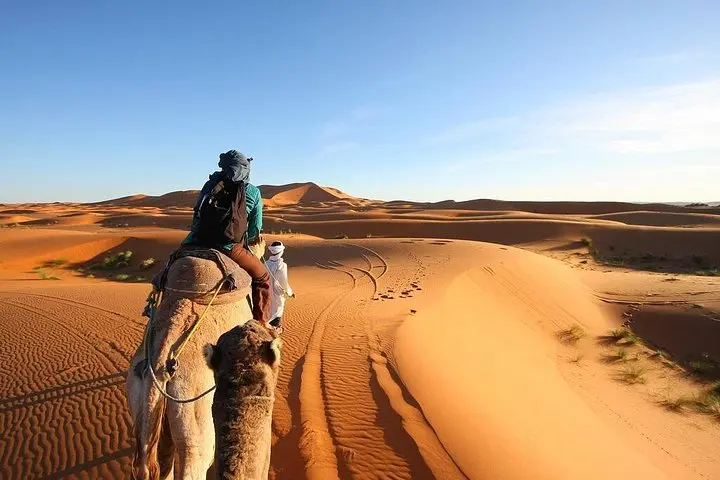
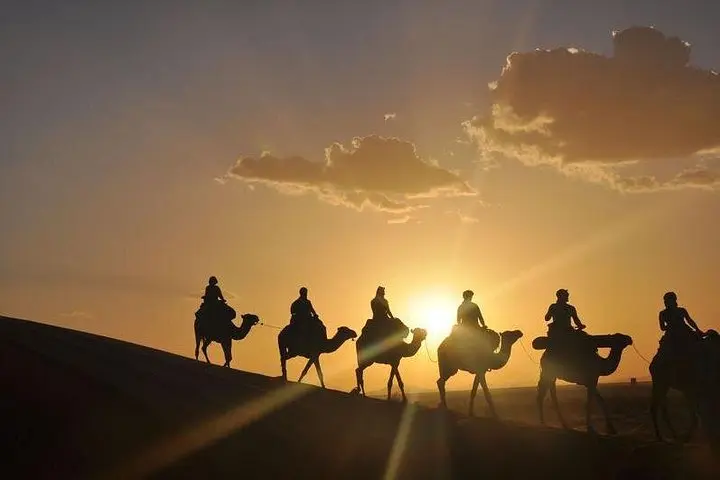
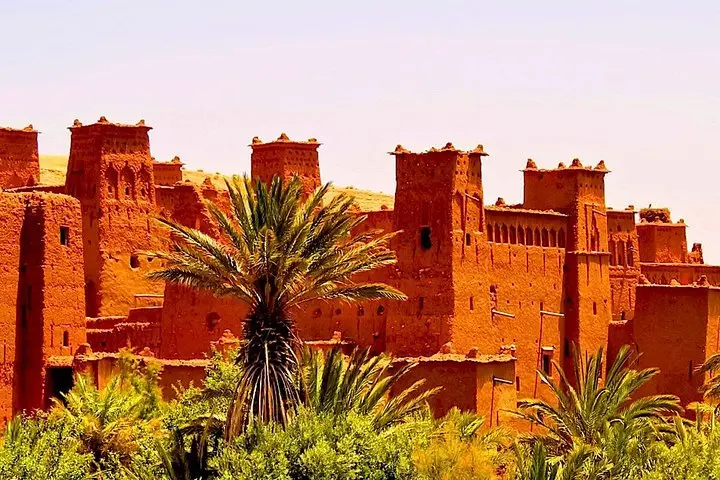
Dawn breaks over the High Atlas as the minivan eases up Tizi n’Tichka, windows framing terraced slopes and small, stone Berber villages clinging to the pass. By mid-morning you’re at Ait Benhaddou: mud-brick towers catch the light, and the alleyways smell faintly of spices and diesel from passing taxis. The road becomes a ribbon through valleys of cedar and palm as you move east, then opens into the ochre sea of Erg Chebbi where a caravan of camels strides toward a desert camp.
Verified experiences and guided adventures in the surrounding area.
Operated by DEEP SOUTH TRAVEL · Merzouga, Drâa-Tafilalet
Dawn breaks over the High Atlas as the minivan eases up Tizi n’Tichka, windows framing terraced slopes and small, stone Berber villages clinging to the pass. By mid-morning you’re at Ait Benhaddou: mud-brick towers catch the light, and the alleyways smell faintly of spices and diesel from passing taxis. The road becomes a ribbon through valleys of cedar and palm as you move east, then opens into the ochre sea of Erg Chebbi where a caravan of camels strides toward a desert camp.
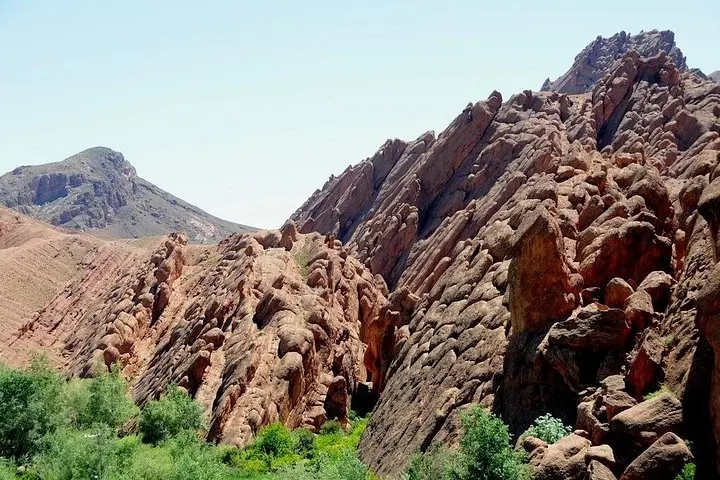
This route threads imperial history with geology — ancient caravan tracks, kasbahs constructed from local earth, and the Atlas Mountains formed by plate collision that now funnel weather into dramatic gorges. Ouarzazate’s film studios recall the region’s cinematic role; Todra Gorge shows vertical limestone walls shaped by the Ziz and Todra rivers. Local Berber culture remains visible: rose festivals around Kelaat Mgouna, traditional guesthouses and nomad-run bivouacs in the dunes.
Practically, expect long drives broken by targeted stops: short hikes in Todra, guided visits at Ait Benhaddou, a 1–1.5 hour camel trek to an overnight bivouac, and early-morning sunrise rides. Nights swing from warm kasbahs with private bathrooms to clear, cold desert skies in a private tent. Bring layered clothing for temperature swings, sun protection for daytime, and earplugs if you’re sensitive to wind or camp sounds. The itinerary suits travelers comfortable with multi-day road travel and basic walking; most services are private and include transfers, meals, and English-speaking guides. Arrive with a mindset for slow, tactile travel — the desert asks you to slow down and notice the light.
Typical camel treks are about 1 to 1.5 hours each way to reach the bivouac; you’ll usually ride to see sunset and again for sunrise.
Nights alternate between comfortable riads or kasbah-style hotels (private bathroom) and private tents in a luxury bivouac that include hot-water shower facilities.
The tour is private and can accommodate a range of ages, but it involves long drives and some uneven walking; check mobility needs and medical restrictions beforehand.
The tour lists an English-speaking driver/guide; confirm if you need other languages at booking.
DEEP SOUTH TRAVEL operates guided outdoor trips and adventures with an emphasis on safety, stewardship, and memorable experiences.
Dawn breaks over the High Atlas as the minivan eases up Tizi n’Tichka, windows framing terraced slopes and small, stone Berber villages clinging to the pass. By mid-morning you’re at Ait Benhaddou: mud-brick towers catch the light, and the alleyways smell faintly of spices and diesel from passing taxis. The road becomes a ribbon through valleys of cedar and palm as you move east, then opens into the ochre sea of Erg Chebbi where a caravan of camels strides toward a desert camp.
Dawn breaks over the High Atlas as the minivan eases up Tizi n’Tichka, windows framing terraced slopes and small, stone Berber villages clinging to the pass. By mid-morning you’re at Ait Benhaddou: mud-brick towers catch the light, and the alleyways smell faintly of spices and diesel from passing taxis. The road becomes a ribbon through valleys of cedar and palm as you move east, then opens into the ochre sea of Erg Chebbi where a caravan of camels strides toward a desert camp.
This route threads imperial history with geology — ancient caravan tracks, kasbahs constructed from local earth, and the Atlas Mountains formed by plate collision that now funnel weather into dramatic gorges. Ouarzazate’s film studios recall the region’s cinematic role; Todra Gorge shows vertical limestone walls shaped by the Ziz and Todra rivers. Local Berber culture remains visible: rose festivals around Kelaat Mgouna, traditional guesthouses and nomad-run bivouacs in the dunes.
Practically, expect long drives broken by targeted stops: short hikes in Todra, guided visits at Ait Benhaddou, a 1–1.5 hour camel trek to an overnight bivouac, and early-morning sunrise rides. Nights swing from warm kasbahs with private bathrooms to clear, cold desert skies in a private tent. Bring layered clothing for temperature swings, sun protection for daytime, and earplugs if you’re sensitive to wind or camp sounds. The itinerary suits travelers comfortable with multi-day road travel and basic walking; most services are private and include transfers, meals, and English-speaking guides. Arrive with a mindset for slow, tactile travel — the desert asks you to slow down and notice the light.