THE ADVENTURE COLLECTIVE® · Independent discovery and booking for outdoor travel

A compact 3‑day circuit from Hanoi into Ha Giang’s Dong Van Karst Plateau: dramatic switchbacks at Ma Pi Leng, boat time in Tu San gorge, and immersive visits with Hmong and Dao communities. Ideal for travelers seeking geology, culture and panoramic highland roads.
A compact 3‑day circuit from Hanoi into Ha Giang’s Dong Van Karst Plateau: dramatic switchbacks at Ma Pi Leng, boat time in Tu San gorge, and immersive visits with Hmong and Dao communities. Ideal for travelers seeking geology, culture and panoramic highland roads.
You wake before dawn on an overnight coach, windows streaked with lowland lights, and arrive as limestone teeth and windswept plateaus come into focus. By sunrise the road curls up toward Ma Pi Leng: a 21‑km ribbon of switchbacks with ridgelines that push your view outward until the Nho Que river dares you to look down into Tu San gorge, a canyon whose walls fall roughly 700–900 m and climb to 1,500 m in places.
Verified experiences and guided adventures in the surrounding area.
Operated by Joy Tourist · Dong Van, Ha Giang Province
You wake before dawn on an overnight coach, windows streaked with lowland lights, and arrive as limestone teeth and windswept plateaus come into focus. By sunrise the road curls up toward Ma Pi Leng: a 21‑km ribbon of switchbacks with ridgelines that push your view outward until the Nho Que river dares you to look down into Tu San gorge, a canyon whose walls fall roughly 700–900 m and climb to 1,500 m in places.
This three‑day, two‑night route threads history and geology: karst ridges carved over millions of years, stone pavements that held human routes during colonial and wartime eras, and villages where Hmong, Tay and Dao communities maintain textile and farming traditions. Dong Van Old Quarter keeps the feel of a border trading post; Lung Cu Flag Tower marks Vietnam’s northernmost point and carries modern national symbolism.
Expect a mix of paved switchbacks, dusty village lanes and short walks around markets and cultural sites. The trip includes boat time on the Nho Que River through Tu San canyon, guided visits to H’mong King Palace, Lung Tam brocade workshops, and local markets. Elevations commonly reach 1,200–1,600 m, with cool nights and strong sun at midday.
Practical notes: the tour is transport‑heavy—overnight drives to and from Hanoi—and suited to travelers with moderate fitness. Pack layered clothing for high‑altitude mornings, sturdy footwear for uneven village paths, and a small daypack for cameras and water. Timing a visit for clear weather maximizes the pass views; weekends bring bustling markets. Move respectfully in cultural sites: ask before photographing and support local craft workshops directly.
The tour provides round‑trip transport—overnight coach departures from Hanoi are typical; expect ~6–8 hours each way depending on stops.
Mostly short walks around markets, viewpoints and villages; no technical trekking required, but stairs and uneven surfaces are common.
The itinerary includes two breakfasts, two lunches and two dinners plus hotel accommodation in Ha Giang/Dong Van as described—confirm dietary needs at booking.
Boat trips use local vessels and are included; they are generally safe but not suitable for infants unrestrained or travelers with serious mobility issues—check with the operator if in doubt.
Joy Tourist operates guided outdoor trips and adventures with an emphasis on safety, stewardship, and memorable experiences.
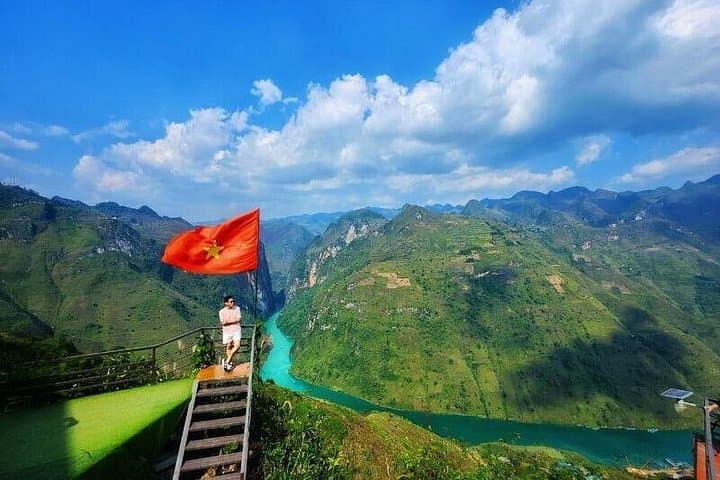
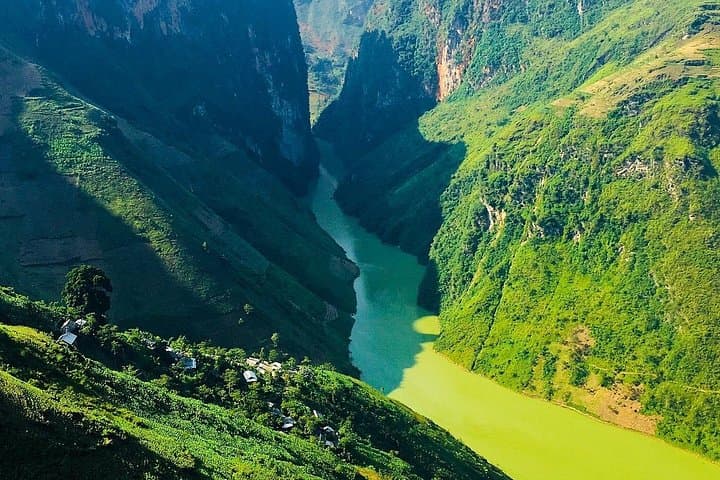
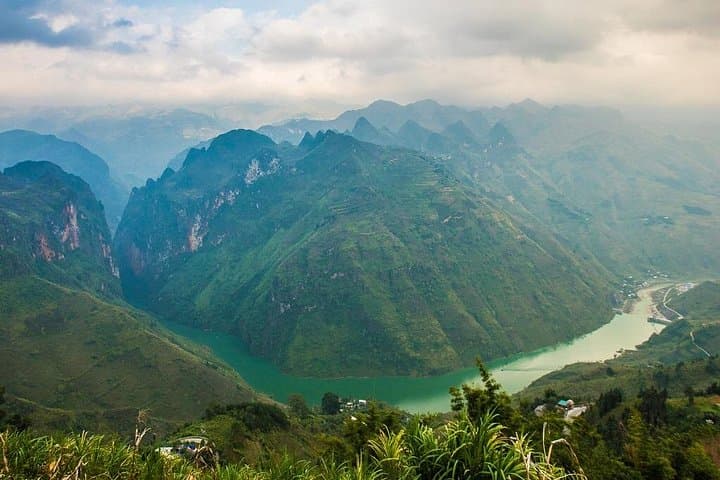
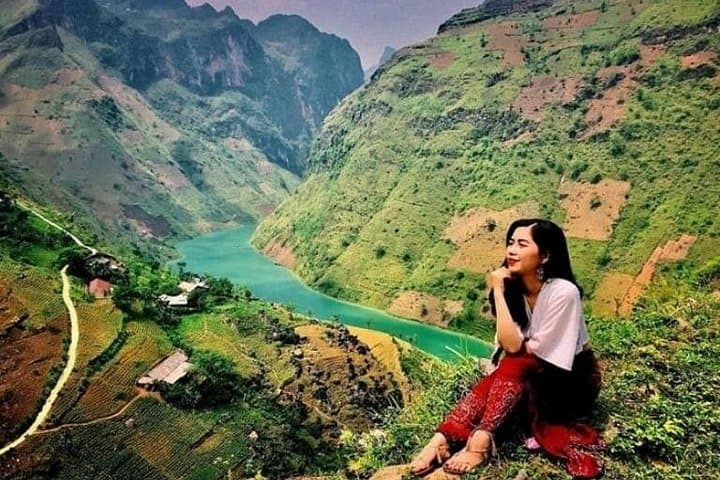
You wake before dawn on an overnight coach, windows streaked with lowland lights, and arrive as limestone teeth and windswept plateaus come into focus. By sunrise the road curls up toward Ma Pi Leng: a 21‑km ribbon of switchbacks with ridgelines that push your view outward until the Nho Que river dares you to look down into Tu San gorge, a canyon whose walls fall roughly 700–900 m and climb to 1,500 m in places.
You wake before dawn on an overnight coach, windows streaked with lowland lights, and arrive as limestone teeth and windswept plateaus come into focus. By sunrise the road curls up toward Ma Pi Leng: a 21‑km ribbon of switchbacks with ridgelines that push your view outward until the Nho Que river dares you to look down into Tu San gorge, a canyon whose walls fall roughly 700–900 m and climb to 1,500 m in places.
This three‑day, two‑night route threads history and geology: karst ridges carved over millions of years, stone pavements that held human routes during colonial and wartime eras, and villages where Hmong, Tay and Dao communities maintain textile and farming traditions. Dong Van Old Quarter keeps the feel of a border trading post; Lung Cu Flag Tower marks Vietnam’s northernmost point and carries modern national symbolism.
Expect a mix of paved switchbacks, dusty village lanes and short walks around markets and cultural sites. The trip includes boat time on the Nho Que River through Tu San canyon, guided visits to H’mong King Palace, Lung Tam brocade workshops, and local markets. Elevations commonly reach 1,200–1,600 m, with cool nights and strong sun at midday.
Practical notes: the tour is transport‑heavy—overnight drives to and from Hanoi—and suited to travelers with moderate fitness. Pack layered clothing for high‑altitude mornings, sturdy footwear for uneven village paths, and a small daypack for cameras and water. Timing a visit for clear weather maximizes the pass views; weekends bring bustling markets. Move respectfully in cultural sites: ask before photographing and support local craft workshops directly.